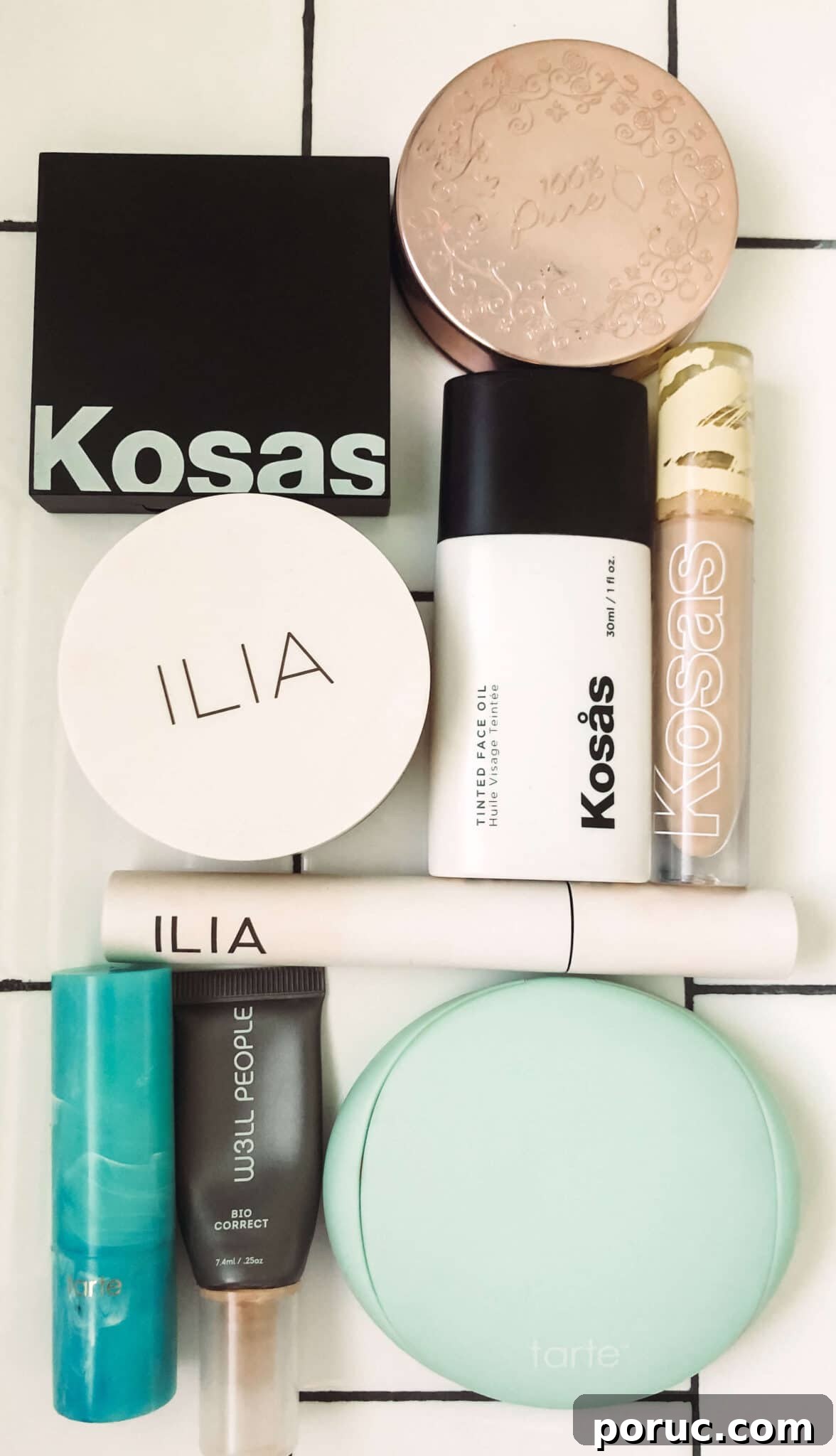
Learn what “clean beauty” means, which ingredients to avoid, and which brands deliver on safer, high-quality formulas. Upgrade your makeup routine with products that perform well and are gentler on skin.
What’s the state of the cosmetic industry now?
It’s important to know that cosmetic regulation in the United States is limited. The FDA primarily addresses misbranding and safety concerns after products reach the market, but it does not comprehensively regulate every ingredient used in cosmetics.
By comparison, the European Union bans over 1,300 chemicals from cosmetics for safety reasons, while the U.S. currently restricts only a small number. That difference helps explain the growth of clean beauty brands focused on safer ingredient profiles.
What is clean beauty?
“Clean beauty” is a flexible term. Different people and brands define it differently, but generally clean beauty products avoid ingredients that raise safety or environmental concerns, and many clean brands are cruelty-free or vegan. Because the definition is subjective, the best approach is to learn which ingredients you want to avoid and evaluate products against that list.
Is “clean beauty” black and white?
Not really. Strict black-and-white rules can be limiting, so many people apply a personal standard that balances safety, effectiveness, and practicality.
Example personal standard:
- Free from hormone-disrupting ingredients
- Cruelty-free
- Avoid other questionable ingredients when possible, but occasional use of nonideal products is not always a deal-breaker
Why switch to clean beauty?
We apply many personal-care products daily, and some ingredients can accumulate through regular use. Choosing formulas that avoid known harmful chemicals and endocrine-disrupting compounds can reduce potential exposure and support overall health, especially for people managing hormone-related conditions.

How toxic ingredients affect hormones
Endocrine-disrupting chemicals (EDCs) can mimic or interfere with natural hormones and may affect systems such as the thyroid and reproductive hormones, potentially contributing to hormonal imbalance. Minimizing exposure to known EDCs in cosmetics is a precaution some people choose to take.
Endocrine-disrupting ingredients to watch for
- Parabens (methyl-, propyl-, butyl-, etc.): preservatives used to inhibit microbial growth.
- Phthalates (DBP, DEHP, DEP, etc.): often used in fragranced products; fragrance components are frequently undisclosed.
- Bisphenol-A (BPA): can be present in some plastic packaging and is a well-known endocrine disruptor.
- Ethanolamines (MEA, DEA, TEA): surfactants and pH adjusters linked to irritation and other concerns.
Other ingredients often avoided by clean beauty advocates
When possible, many consumers avoid these as well:
- Benzalkonium chloride: preservative and surfactant found in some sunscreens and moisturizers.
- BHA and BHT (butylated hydroxyanisole and butylated hydroxytoluene): synthetic antioxidants used to extend shelf life.
- EDTA (ethylenediaminetetraacetic acid): a chelating agent used for stability.
- Hydroquinone: a skin-lightening agent that affects melanin production.
- Methylisothiazolinone and methylchloroisothiazolinone: preservatives linked to allergic reactions in some users.
- Oxybenzone: a chemical sunscreen agent associated with possible hormonal effects.
- Polyethylene glycols (PEGs): used as thickeners, solvents, and moisturizers.
- Dimethicone: a silicone used for a silky texture; some people avoid it in favor of more breathable ingredients.
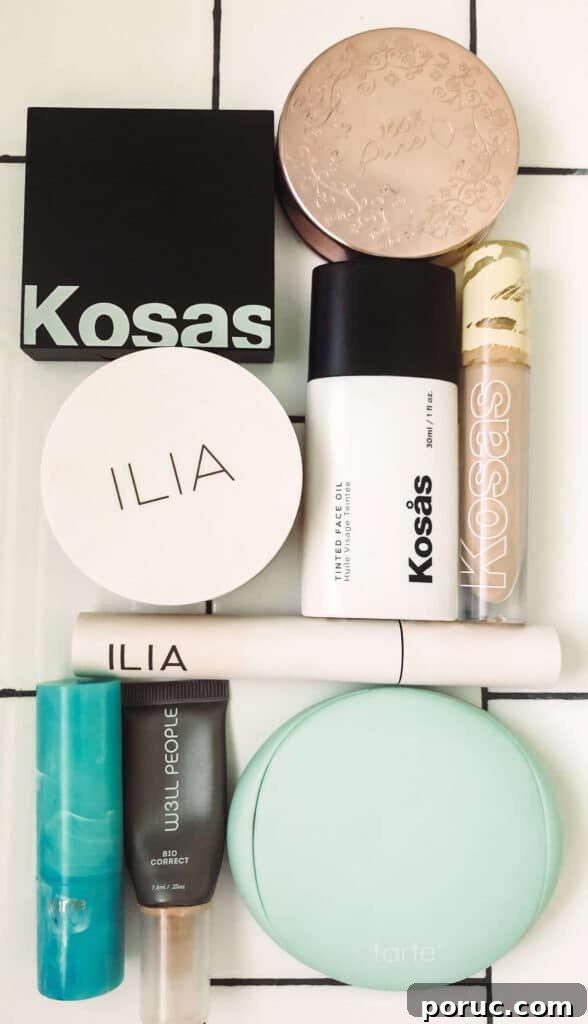
What is a clean beauty brand?
Clean beauty brands prioritize ingredient safety, transparency, and environmental considerations. They focus on sourcing and formulating products with responsibility for both people and the planet.
How to decide if a product or brand is clean enough
Learn the ingredient names that are deal-breakers for you, then check each product’s ingredient list. Cross-referencing labels with your personal list is the most reliable way to ensure a product fits your standard.
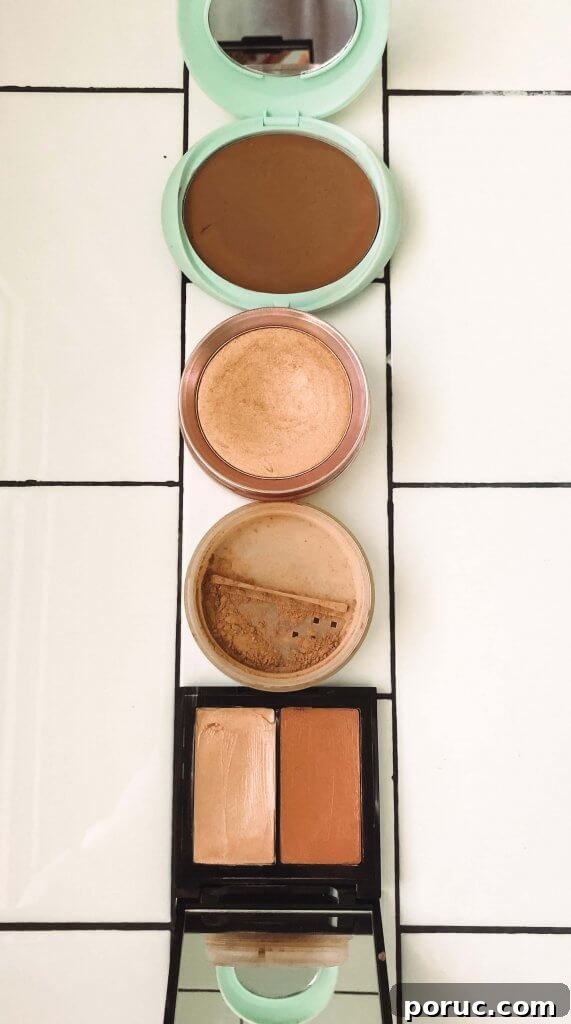
Best clean beauty brands
Below are brands known for prioritizing cleaner formulations. This list isn’t exhaustive; always check individual product ingredients before purchasing. Price ranges shown are relative and indicate more affordable ($) to luxury ($$$$) within the clean beauty market.
Kosas
Kosas blends modern molecular insights with non-toxic formulations to create makeup that performs while supporting skin health. Favorites include Revealer Concealer, Tinted Face Oil Foundation (medium coverage), the cream blush/highlighter duo, and quick-apply eyeshadow products.
Price range: $$
Milk Makeup
Milk avoids parabens, sulfates, SLS, SLES, formaldehyde, mineral oil, and talc. Their formulas include nourishing alternatives like plant extracts and mango butter. The line is 100% vegan. Popular items include Hydro Grip Primer, concealers, and foundation sticks.
Price range: $$
Ilia
Ilia treats makeup as part of a skin-care routine, blending actives and clean ingredients. They use both natural and selective synthetic ingredients when appropriate. Standouts include skin tint, finishing powder, concealer, and liquid eyeliner.
Price range: $$$
100% Pure
100% Pure focuses on strict purity standards and natural pigments, with cruelty-free formulas and careful ingredient sourcing. Popular items include lightweight luminizers and naturally pigmented eyeshadow palettes.
Price range: $$$$
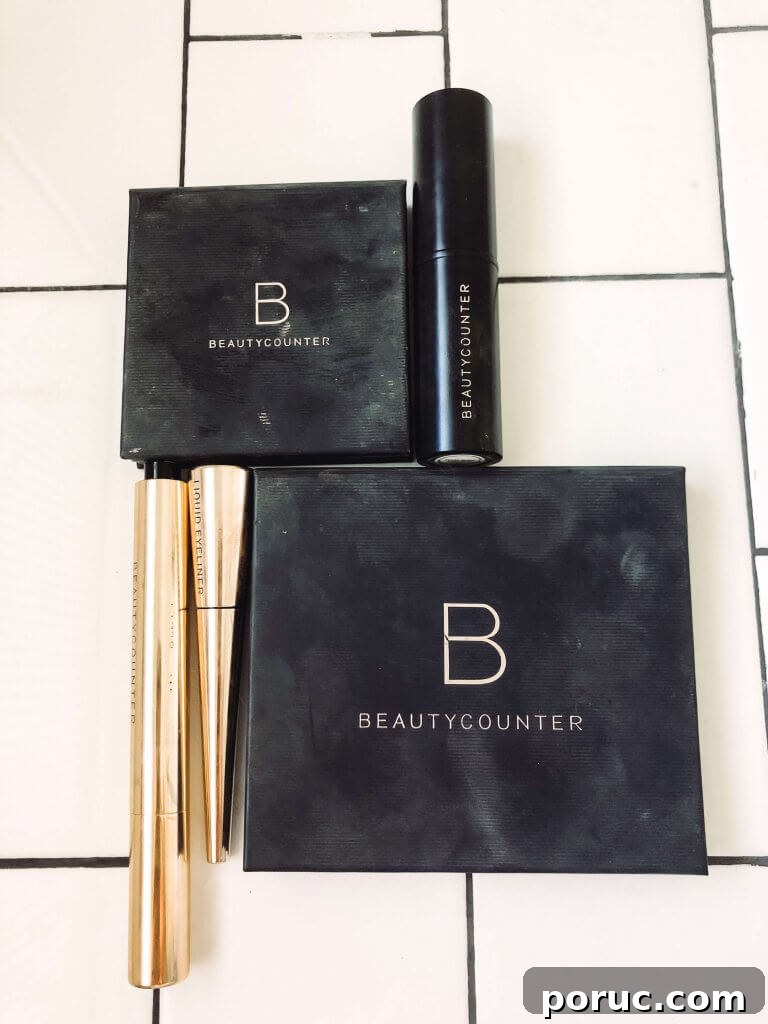
Beauty Counter
Beauty Counter excludes thousands of questionable ingredients from its formulations and advocates for stronger safety regulations in the industry. Recommended products include resurfacing peels, vitamin C serums, eyeshadow palettes, and powder highlighters.
Price range: $$$$
Lawless
Lawless positions itself as “clean” with formulas that avoid known carcinogens and endocrine disruptors. They use naturally derived synthetics when needed for performance. Popular items include full-coverage foundations and versatile eyeshadow palettes.
Price range: $$$
Hourglass
Hourglass is cruelty-free and offers many vegan and gluten-free options. The brand emphasizes clean performance; favorites include foundation sticks and gel eyeliners from their cleaner product selections.
Price range: $$$
Thrive Cosmetics
Thrive uses vegan, cruelty-free formulas without parabens or sulfates and supports charitable causes with purchases. Notable products include eye brighteners, buildable CC creams with SPF, setting powders, and blending sponges.
Price range: $$
Kjaer Weis
Kjaer Weis emphasizes high-quality, often organic ingredients and refillable packaging to reduce waste. Formulas avoid parabens, silicones, petrochemical emulsifiers, and synthetic fragrances. Their cream foundations and cream blushes are notable.
Price range: $$$$
Westman Atelier
Westman Atelier formulates with very clean ingredients that meet strict standards. Their products aim to enhance and soothe skin—popular picks include foundation sticks, blush sticks, and contour products.
Price range: $$$$
W3LL People
Botanical-based formulas from W3LL People are designed to feel lightweight and natural on skin without petroleum by-products or unnecessary fillers. Key items include foundation sticks and corrective concealers.
PYT Beauty
PYT avoids hundreds of questionable chemicals and promotes “beauty without the BS.” Their products exclude parabens, phthalates, sulfates, synthetic fragrances, PEGs, and petrolatum, and they are cruelty-free. Popular items include eyeshadow palettes and brow pencils.
Price range: $$
RMS Beauty
RMS emphasizes ingredients that work harmoniously with skin and maintains high standards, including certified organic options. Their simple, effective color products—like lip and cheek items—are well-regarded.
Price range: $$$
Tarte
Tarte is often labeled “natural” and excludes ingredients such as parabens, mineral oil, phthalates, triclosan, and SLS from many formulas. Some lines are cleaner than others, so check ingredients carefully. Their SEA collection highlights cleaner formulations.
Price range: $$
Where to buy clean beauty
Most brands sell directly on their own websites. There are also retailers and marketplaces that curate cleaner beauty lines. When shopping, always read ingredient lists to ensure a product meets your personal standards.
Choosing cleaner makeup and skin-care products is a personal decision. Hopefully this guide helps you identify ingredients to avoid and introduces brands that prioritize safer, more thoughtful formulations.