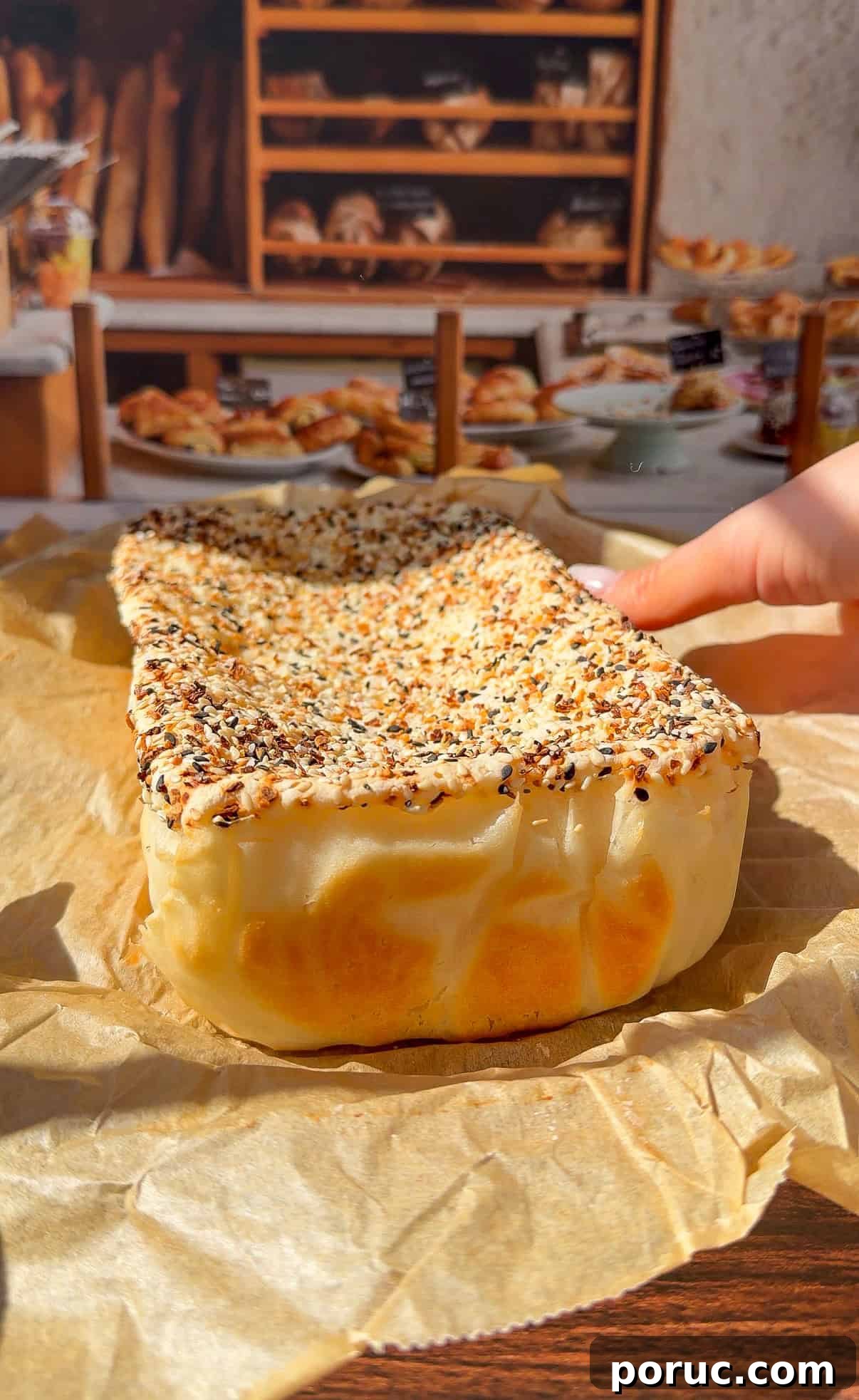
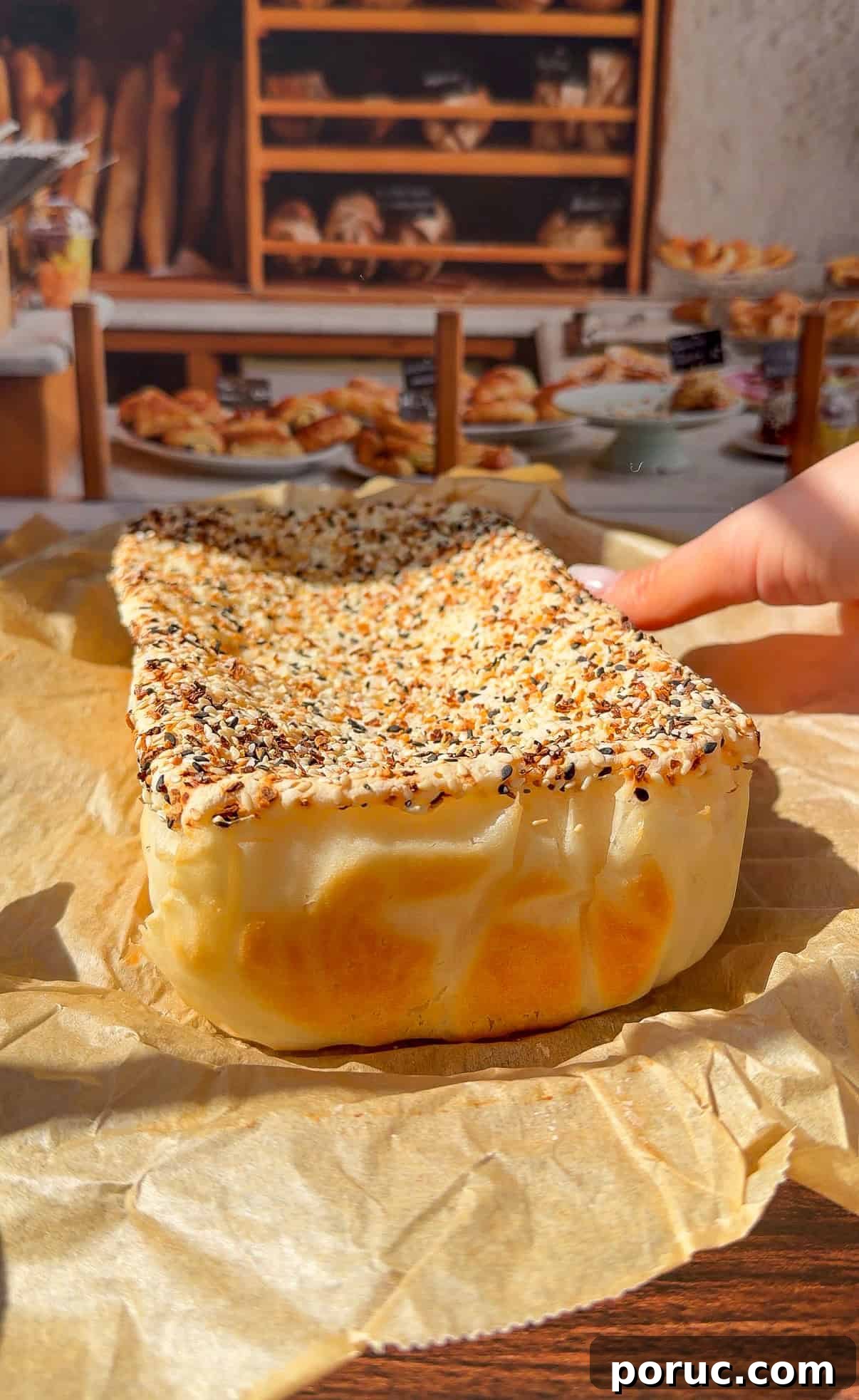
The Viral Blender Rice Bread you’ve been seeing all over TikTok and Instagram lives up to the hype. It’s naturally gluten-free, made entirely in one blender, and about 100 calories per slice. Inspired by Japanese techniques that soak rice overnight, this no-flour loaf becomes soft, tender, and pleasantly chewy. The method is simple—soak, blend, proof, and bake—making it accessible even for novice bakers. It also stores and freezes well, so it’s ideal for meal prep and quick breakfasts or lunches throughout the week.
Key Takeaways
- Blender Rice Bread is flourless, gluten-free, and low in calories per slice.
- The recipe uses one blender and everyday pantry ingredients for quick cleanup.
- Soaking the rice overnight yields the best, fluffiest texture.
- There are easy swaps for equipment, sweeteners, yeast, and rice type.
- The loaf freezes and keeps well, so it’s great for meal prep.
Table of Contents
- Key Takeaways
- Why You’ll Love Viral Blender Rice Bread
- Nonna’s Tip 🍚💧
- Variations and Substitutions
- Best Served With
- Similar Recipes
- Common Questions
- Recipe
Why You’ll Love Viral Blender Rice Bread
Easy cleanup: everything comes together in one blender, so there’s minimal washing up.
No flour needed: rice is the base, making this loaf naturally gluten-free.
Simple, real ingredients: no preservatives—just pantry staples you likely already own.
Meal prep friendly: the loaf slices easily, keeps for several days, and freezes well for future use.
Nonna’s Tip 🍚💧
Soak the rice in water overnight so it softens and blends into a completely smooth batter. This step is crucial for a tender, airy loaf.
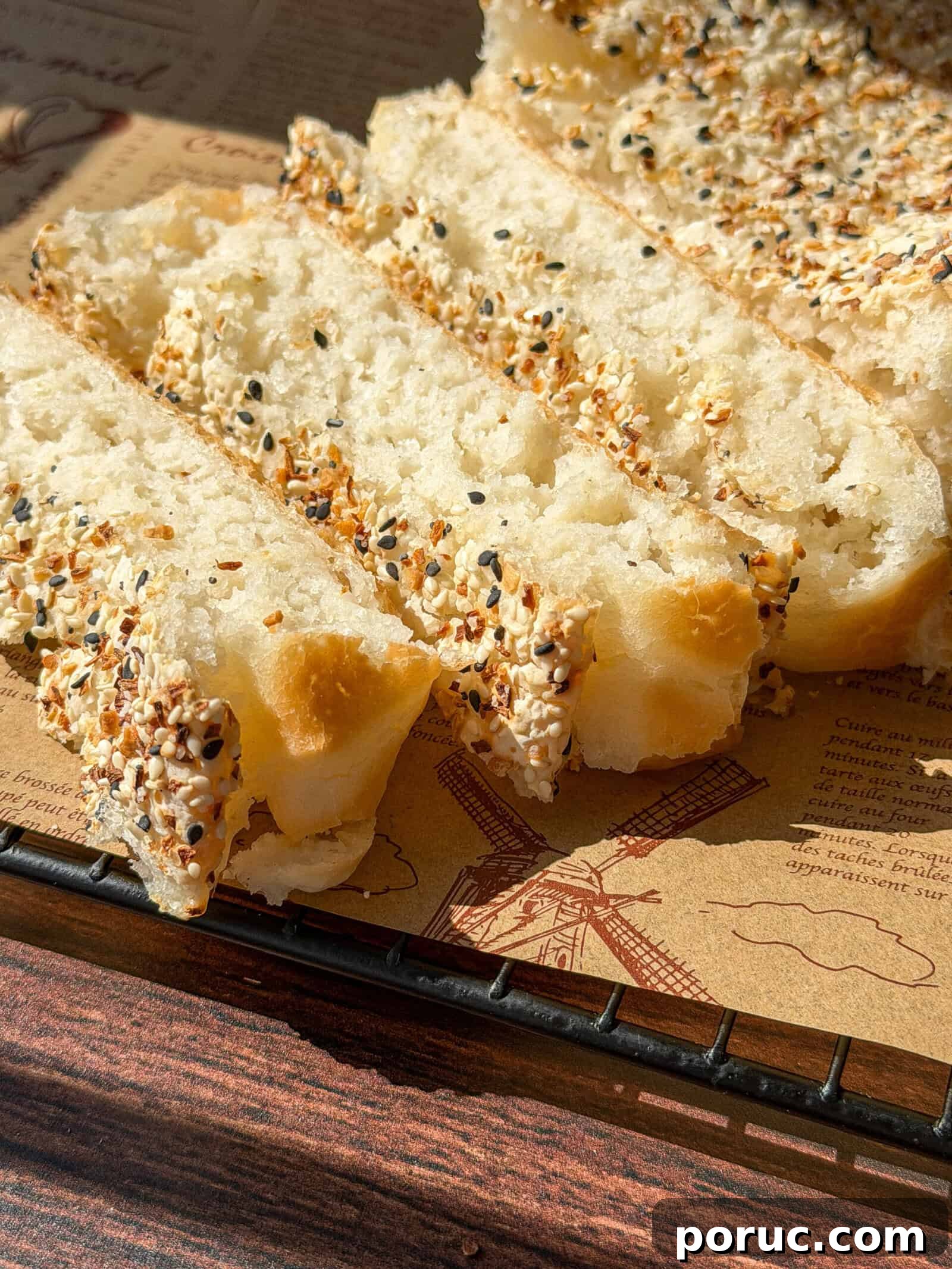
Variations and Substitutions for Viral Blender Rice Bread
- No blender? Use an immersion blender or a powerful food processor to achieve a smooth batter.
- Change the shape: bake in a standard loaf pan, make two mini loaves, or form rolls for variety.
- Swap sweeteners: honey can be replaced with agave or your preferred liquid sweetener.
- Use instant yeast: if you prefer, use instant yeast and mix it into the batter to skip a separate proofing step.
- Try different rice: brown rice works but requires the same overnight soak and yields a slightly denser loaf.
Best Served With
- Peanut butter, jam, or cottage cheese for a quick breakfast.
- Avocado and grated egg for a hearty toast.
- Homemade lunch meats or deli-style chicken for sandwiches.
Similar Recipes
Cloud Bread Recipe
45 mins
Whole Orange Blender Cake
55 mins
Whole Lemon Blender Cake
55 mins
Blender Banana Bread
1 hr
Common Questions
Yes. Soaking softens the rice so it blends into a smooth batter, which produces a lighter, less grainy loaf.
Check that your yeast is active and that the water used to proof it was warm but not hot. Let the batter rest in a warm spot for the hour to rise.
Yes. Slice the loaf, then freeze in an airtight bag or container for up to two months. Freeze slices individually for convenience.
Store at room temperature in an airtight container for up to two days, or refrigerate for up to five days. For longer storage, freeze.
Common causes are insufficient soaking, under-blending the batter, or underbaking. Ensure the rice is well-soaked and the batter is smooth before baking.
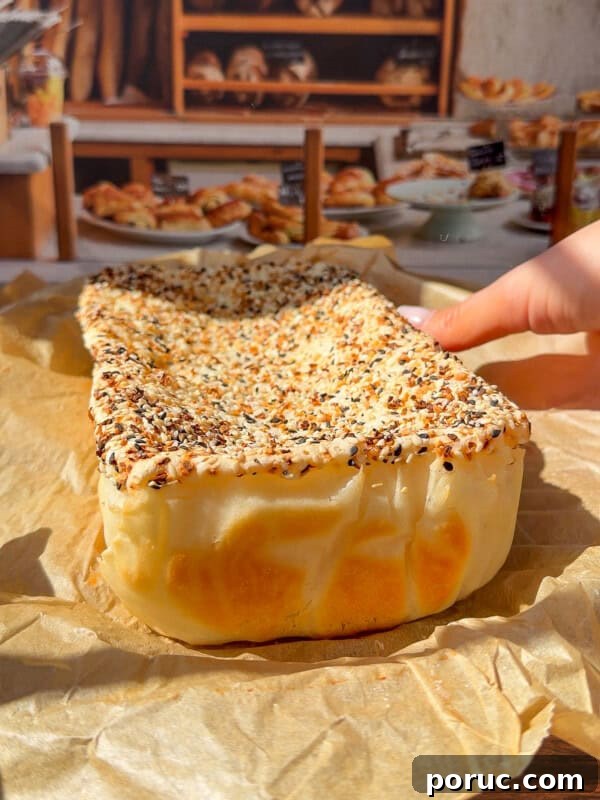
Viral Blender Rice Bread (Gluten Free, No Flour!)
Print 🖨
Video
Equipment
- Blender
- Parchment paper
- Loaf pan
Ingredients
- 350 grams rice (short-grain recommended)
- 200 millilitres warm water (warm, not hot)
- 5 grams salt
- 7 grams active dry yeast
- 20 grams honey (or other sweetener)
- 30 grams oil (avocado or any neutral oil)
Instructions
- Soak the rice in water overnight.
- In the morning, drain and discard the soaking water.
- In a blender, combine warm water, honey, and yeast. Let sit 5–10 minutes until foamy. If it doesn’t foam, the yeast may be inactive—try again with fresh yeast.
- Add the soaked rice, salt, and oil to the blender and blend until completely smooth. The batter should feel smooth, not grainy.
- Pour the batter into a parchment-lined loaf pan and spread evenly.
- Let the batter rest at room temperature for 1 hour to rise.
- Place the pan in a cold oven. Bake at 350°F (175°C) for 30–40 minutes, until set and lightly golden. Cool slightly, then slice and enjoy.
Nonna’s Notes
- If you don’t have a powerful blender, an immersion blender or food processor can work—just blend until perfectly smooth.
- Adjust shape as desired: full loaf, two mini loaves, or rolls.
- Swap honey for agave or another liquid sweetener if you prefer.
- Instant yeast can be substituted; add it directly to the batter to skip the separate proofing step.
- Using brown rice will produce a denser loaf and still requires an overnight soak.
My Notes
Nutrition
Nutrition information is an approximation.