Are you feeling overwhelmed by all of the new terms and abbreviations as you begin your cannabis journey? This guide helps beginners understand the most common cannabis terms and abbreviations so you can confidently use cannabis to support your wellness.
Article Features
- A beginner-friendly guide to terms and abbreviations
- An option to download and print the guide
- Want it delivered? Shop with me and have high-quality cannabis products delivered to your door!
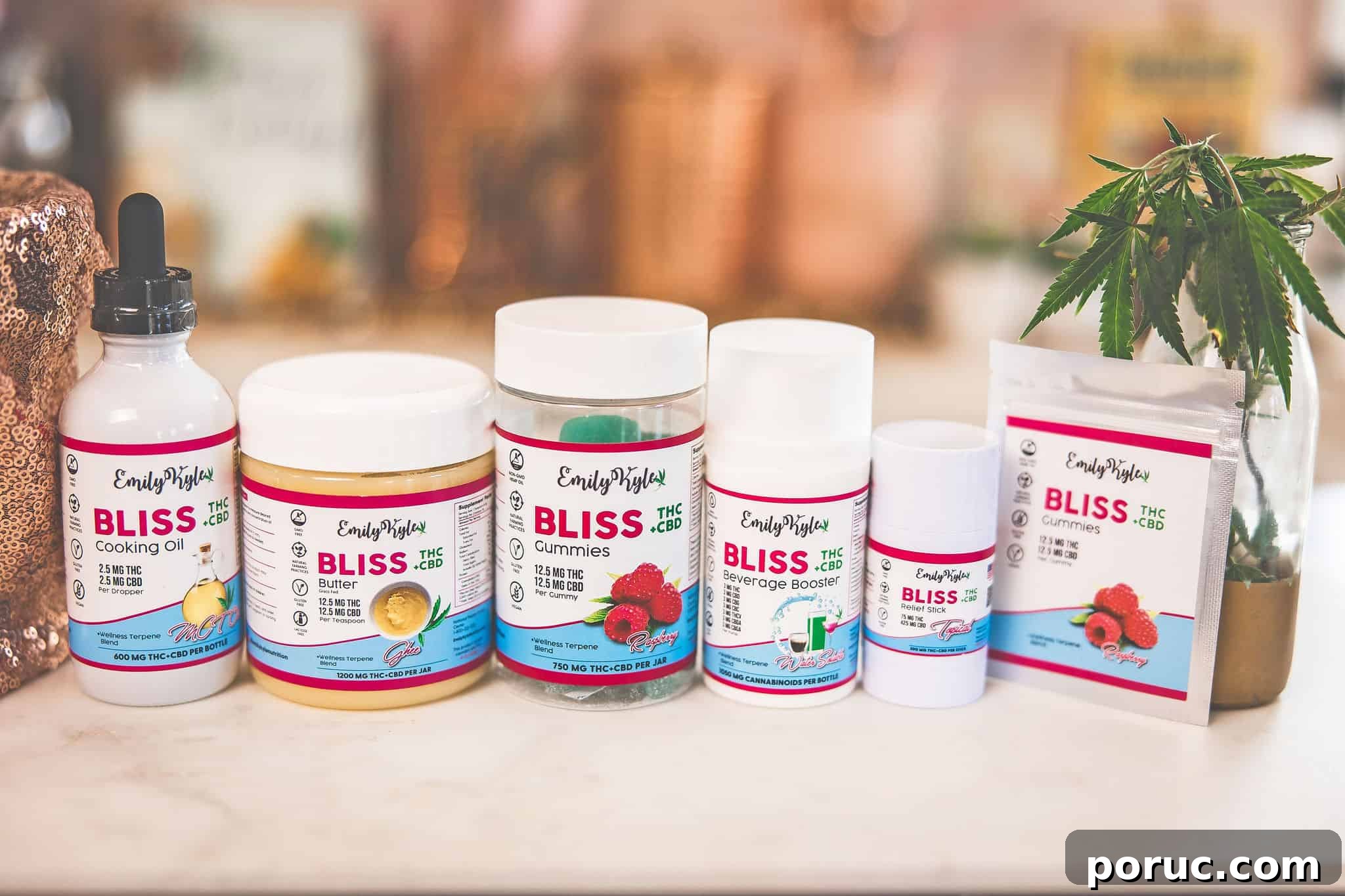
Why You Will Love This Guide
Welcome! If you’re reading this, you’re likely new to cannabis — and that’s perfect. This guide is built to make the learning curve less intimidating.
If you’re new here, you’re in the right place — I’m glad you found this resource.
Cannabis comes with many acronyms, unfamiliar names, and technical terms. That can feel like a lot at first, but education is the first step to using cannabis safely and effectively.
My goal is to help you understand the plant and use it strategically to support your wellness.
Below you’ll find a searchable list of commonly used terms, abbreviations, and acronyms. Use Ctrl + F to jump to specific entries, or read through at your own pace.
If you want more in-depth instruction, consider the Cannabis Compass Online Course for a complete, guided introduction to these topics.
Free Download: The Cannabis Glossary 💌
Enter your email to receive a printable version of this terms and abbreviations guide so you can save and print it for future reference.
Thank you!
You have successfully joined our subscriber list.
Abbreviations and Acronyms
AVB – already vaped bud. Flower that has been vaporized in a dry herb device and contains partially-used cannabinoids.
BHO – butane hash oil, a type of cannabis concentrate produced using butane as a solvent.
CBD – cannabidiol, a non-intoxicating cannabinoid commonly used for wellness support.
CBDA – cannabidiolic acid, the acidic precursor to CBD found naturally in the plant; converts to CBD when decarboxylated.
CBG – cannabigerol, a non-intoxicating cannabinoid often called the “mother cannabinoid.”
CBGA – cannabigerolic acid, the acidic precursor to CBG found naturally in fresh plant material.
CBN – cannabinol, a mildly intoxicating compound that often forms as THC degrades; commonly associated with sedative effects.
CO – cannabis oil, a general term covering many types of cannabis-based oils.
ECS – endocannabinoid system, the body’s signaling system that interacts with cannabinoids to support balance and regulation.
FECO – full-extract cannabis oil, a potent extract produced by evaporating alcohol from a tincture to leave a thick, concentrated oil.
IP – Instant Pot, a multifunctional cooker many people use for decarboxylation or infusion.
MBM – Magic Butter Machine, an appliance designed to decarb and infuse cannabis into fats or oils.
MCT – medium-chain triglyceride oil, commonly used as a carrier oil in cannabis preparations.
QWET – quick wash ethanol tincture, a rapid alcohol-based extraction method often called a freezer tincture or Golden Dragon.
RSO – Rick Simpson Oil, a type of concentrated cannabis oil historically made with solvents like isopropyl alcohol or naphtha (use caution with solvent choice).
THCA – tetrahydrocannabinolic acid, the non-intoxicating precursor to THC that converts to active THC when heated.
THC (Δ8) – delta-8 tetrahydrocannabinol, typically produced through chemical conversion and generally less intoxicating than delta-9.
THC (Δ9) – delta-9 tetrahydrocannabinol, the primary psychoactive cannabinoid found in cannabis.
THCV – tetrahydrocannabivarin, a cannabinoid with distinct properties that may differ from THC.
Commonly Used Cannabis Terms
Application method – how cannabis is taken or applied (inhaled, ingested, sublingual, topical). Each method affects onset, duration, and effect.
Ardent – a brand of decarboxylation and infusion devices designed to simplify making cannabis-infused oils and butter.
Auto-flowers – cannabis varieties that switch from vegetative growth to flowering based on age rather than changes in light schedule.
Broad spectrum – products containing multiple cannabinoids and terpenes but with THC removed.
Blunt wraps – tobacco leaf wrappers (typically from cigars) used to roll cannabis for smoking.
Buds – the flowering parts of the cannabis plant where trichomes, cannabinoids, and terpenes concentrate.
Cannabis industry – the collective businesses and occupations involved in cultivation, processing, retail, research, and services related to cannabis.
Cannabis powder – can refer to finely ground, decarbed cannabis for cooking or to cannabis oil powder produced using carriers like maltodextrin.
Cannabis strain – distinct varieties of cannabis (sativa, indica, hybrid) characterized by growth traits, cannabinoid profiles, and typical effects.
Capsule – a gelatin or vegetarian shell filled with cannabis oil, powder, or decarbed flower for precise oral dosing.
Chlorophyll – the green pigment in plants that supports photosynthesis; it can influence the taste of homemade infusions.
Concentrates – highly potent products that isolate cannabinoids and terpenes, including oils, waxes, shatter, and live resin.
Decarboxylation – the heating process that converts cannabinoid acids (like THCA, CBDA) into their active forms (THC, CBD).
Dosage – the amount of active cannabinoids (usually in milligrams) in a serving. Accurate dosing is important, especially for edibles.
Dry herb vape – a device that heats dried cannabis flower to release cannabinoids and terpenes without combustion.
Edibles – food or drink products infused with cannabis that deliver cannabinoids through digestion.
Endocannabinoid system – the body’s regulatory network of receptors, enzymes, and endocannabinoids that helps maintain internal balance.
Endocannabinoid receptors – proteins (like CB1 and CB2) that bind cannabinoids and mediate their effects throughout the body.
Extraction process – techniques used to separate trichomes and cannabinoids from plant material, including solvent and solventless methods.
Fan leaf – large photosynthetic leaves on the cannabis plant; useful for compost or some culinary uses but low in cannabinoids.
Female plants – the plants that produce cannabinoid-rich buds and are typically cultivated for consumption.
Firecrackers – a simple edible made by placing decarbed cannabis on a fat-rich spread (like peanut butter) atop a cracker and heating briefly.
Flower bud – the primary product harvested for consumption; rich in trichomes, cannabinoids, and terpenes.
Full-spectrum – products that retain a wide range of cannabinoids, including THC, and the plant’s natural profile.
Golden dragon – a rapid, alcohol-based tincture method (also called freezer tincture or QWET) that uses cold alcohol and short soak times.
Grain alcohol – high-proof alcohol commonly used to make tinctures and extracts.
Green dragon – a traditional alcohol tincture made by soaking plant material in alcohol for an extended period.
Hemp seeds – nutritious seeds from the hemp plant that contain no meaningful cannabinoids and are used as food.
Hemp seed oil – a culinary oil from hemp seeds that contains negligible cannabinoids and is different from CBD oil.
Indica – one of the common botanical classifications (Cannabis indica) often associated with particular growth characteristics and effects.
Infusion machine – countertop devices designed to decarb and infuse cannabis into fats and oils efficiently.
Kief – the powdery collection of trichomes that falls off dried flower and can be used to make concentrates or edibles.
Lecithin – an emulsifier used in edibles to help bind ingredients and potentially improve cannabinoid absorption.
LEVO – a brand of infusion appliance that automates decarboxylation and infusion for home cooks.
Live resin – a concentrate produced from fresh-frozen plant material to preserve flavor and aromatic terpenes.
Male plant – plants that produce pollen but generally low in usable cannabinoids; usually removed to avoid pollination of females.
Mary Jane – slang for the cannabis plant.
Medical marijuana – cannabis used under medical supervision, often with a medical card and dosing guidance.
Munchies – increased appetite commonly experienced after consuming cannabis, especially THC-rich products.
Oil rig – a device used to vaporize and inhale concentrated cannabis extracts.
Psychoactive effects – the intoxicating sensations or “high” produced primarily by THC and similar compounds.
Recreational cannabis – cannabis used for personal enjoyment or relaxation without medical supervision.
Root – the plant’s root system that supports nutrient and water uptake; roots also have traditional and emerging uses.
Ruderalis – Cannabis ruderalis, a species known for autoflowering traits and smaller stature.
Salve – a topical preparation made with cannabis intended for localized relief.
Sativa – Cannabis sativa, a botanical classification associated with specific growth and effect characteristics.
Sublingual – placing a product under the tongue or inside the cheek for faster absorption than standard ingestion.
Supercritical CO – short for supercritical CO2 extraction, a safe method that uses carbon dioxide under specific conditions to extract oils and terpenes.
Terpene – aromatic compounds in cannabis that contribute to flavor, scent, and entourage effects, each with distinct properties.
Tincture – an alcohol-based cannabis extract typically taken sublingually or added to food and drink; methods include Green Dragon and Golden Dragon styles.
Topical – products applied directly to the skin for localized relief without producing a systemic high.
Trichome – the resinous glands on the plant that produce cannabinoids and terpenes and are the primary source of potency.
Trim – the leaves removed during trimming (fan leaves and sugar leaves) that can be used for extracts or edibles.
Vaping – inhaling vaporized cannabis from pens, dry herb devices, or oil vaporizers as an alternative to smoking.
Your Next Steps
Learning new terminology is the first step in your cannabis journey. Take your time — you don’t need to learn everything at once.
This guide is here to help you navigate terms and make informed choices. If you ever feel unsure, seek reliable resources or professional guidance.
You can also shop for thoughtfully selected cannabis products if you prefer to buy curated options. Keep exploring, stay curious, and move forward at your own pace — you’ve got this.
More Guides You Will Love
Articles & How-To Guides
New to Cannabis? Start Your Journey Here!
Articles & How-To Guides
9 Ways Cannabis Can Enhance Your Holistic Lifestyle
Articles & How-To Guides
5 Popular Cannabis Consumption Methods You’ll Want to Try
Articles & How-To Guides