
If you had told me a few years ago that I’d be waking up at 5:30 in the morning, I would have laughed. I was a night owl who disliked mornings. I used to sleep until the last possible moment, reach for coffee, and move through the morning in a daze. That groggy feeling is especially difficult when you have lively children who wake up full of energy.
For years that was my routine. Now I get up at 5:30 every day. I don’t technically have to be up until 7:00, but I choose to rise earlier because my day goes so much better when I have quiet time to myself before the kids wake up.
So why get up at such an early hour, and how did I manage to make the shift without hating it? The why is simple: I want an uninterrupted block of time for myself. The how required learning what my body needs and adjusting my habits to meet those needs.
The first step to waking up early without feeling miserable is to figure out how much sleep you need to function well. Some people manage on six to seven hours; others need a solid eight. I’m in the latter group. I’d love to run on minimal sleep, but for me that doesn’t work, so I aim to give my body the rest it needs whenever possible.
Making sleep a priority can be challenging, particularly with small children, but small changes add up. You can go to bed at a reasonable hour and plan to get enough rest, but that only works if you can actually fall asleep and stay asleep. Trouble falling asleep, middle-of-the-night awakenings, or chronic insomnia make early rising much harder to sustain.
I’ve struggled with insomnia for years and relied on melatonin for sleep. I took it for twelve years because I couldn’t fall asleep without it. While there’s no magic wand to guarantee perfect nights, there are effective, nonpharmaceutical strategies that help reset your internal clock and improve sleep quality.
Light therapy that helped me wake up earlier

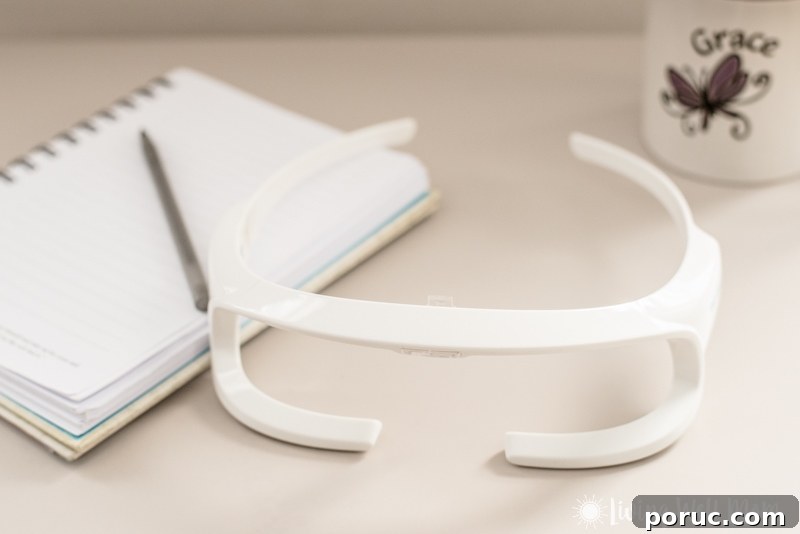
One tool that made a big difference for me is a light-therapy device designed to shift the circadian rhythm naturally. The principle is simple: exposure to specific wavelengths of light in the morning signals the body that it’s time to wake up, which helps reset the internal clock and improves sleep timing and quality.
With modern lifestyles and evening screen time, our internal clocks can become misaligned. Shift work, jet lag, stress, or seasonal changes can further confuse the rhythm that tells our bodies when to sleep and when to be alert. Morning light therapy is an easy, drug-free way to reinforce the wake signal and encourage an earlier, more consistent sleep schedule.
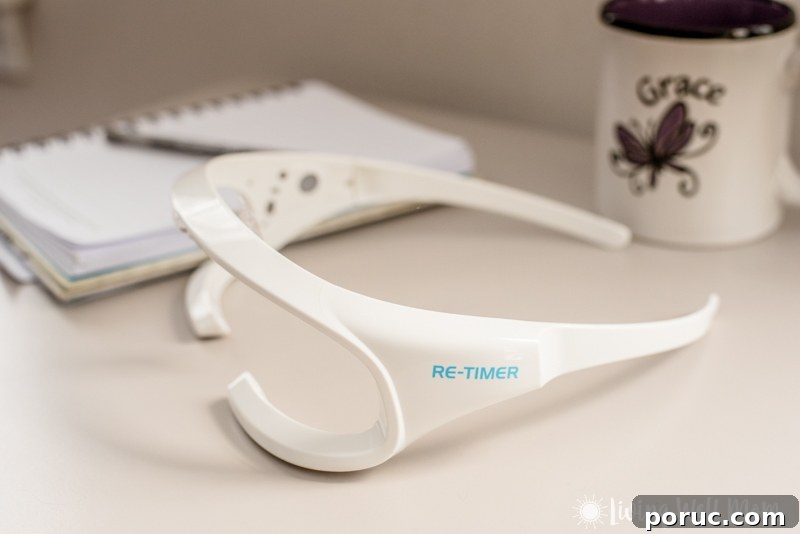
Unlike sitting in front of a bright lamp, some light devices are worn like glasses, allowing you to move through your morning routine hands-free. That makes it practical for parents who need to prepare breakfasts, get kids dressed, and handle morning tasks while resetting their circadian rhythm.
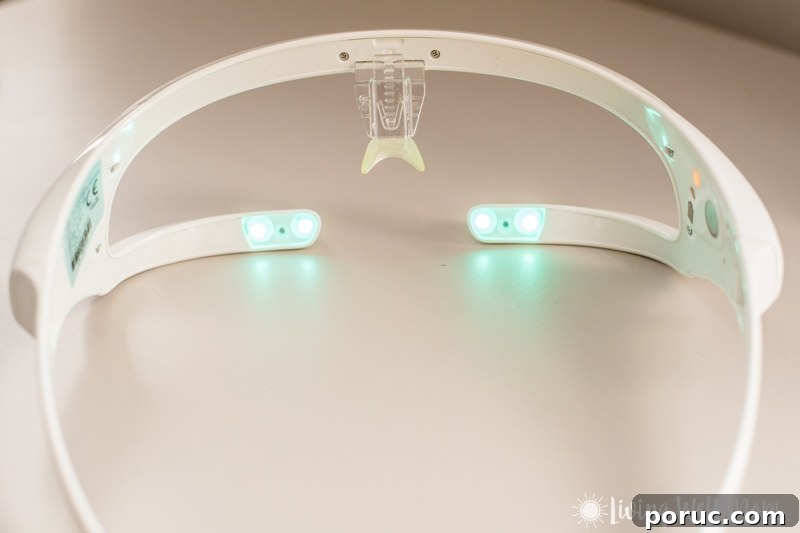
The scientifically targeted green-blue spectrum is effective at signaling morning to the brain, which is especially helpful during dark winter months when natural sunlight is sparse. Regular morning sessions can help you fall asleep earlier, sleep more deeply, and wake up more easily.
Before I started using light therapy, I was dragging myself out of bed at 6:30 and resented mornings. After a couple of months of consistent use, I shifted my wake-up time to 5:30 and now rise much more readily. I still feel a bit groggy when the alarm first rings sometimes, but that short-lived grogginess doesn’t linger the way it used to.
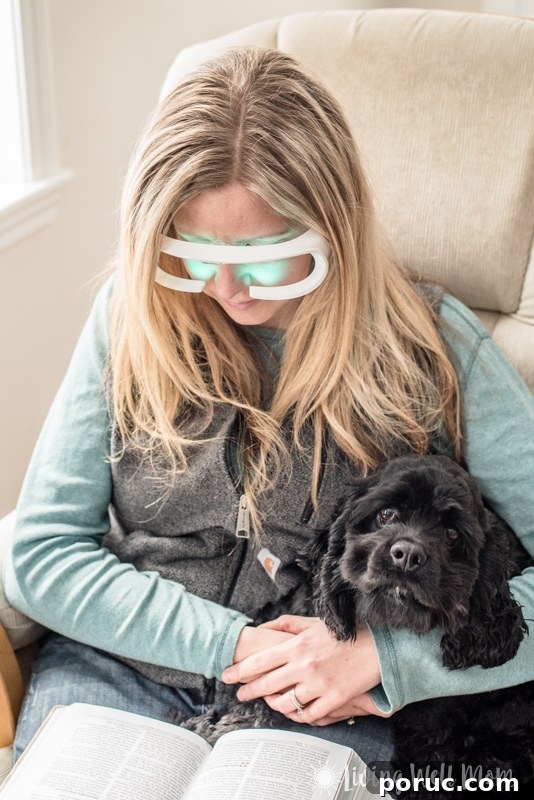
The glasses may look a bit odd at first—my family teased me—but they’ve become part of our routine because everyone notices the benefits. My mood in the morning improved, and my family appreciates the calmer start to the day.
One measurable change for me was a large reduction in the amount of melatonin I needed. Over time, I decreased my melatonin dose by a significant percentage, and my hope is to rely on it less and eventually stop altogether as my internal clock stabilizes.
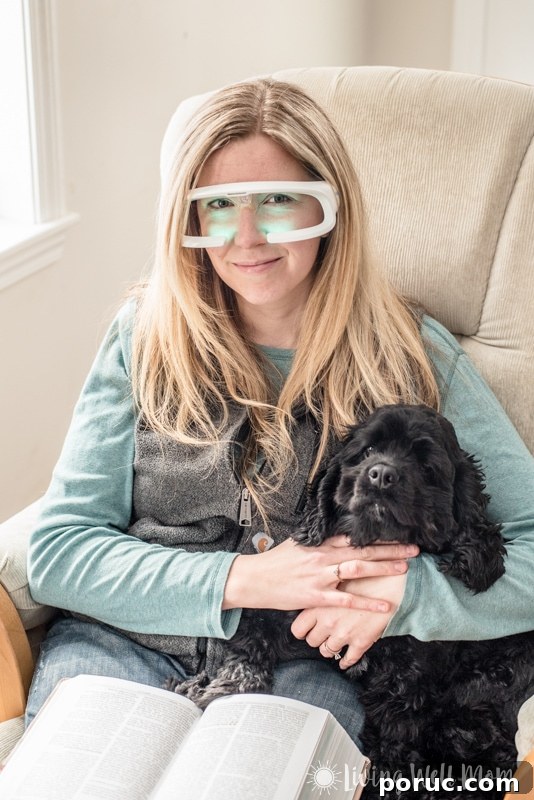
Light therapy can also help reduce symptoms of seasonal affective changes by providing a consistent source of morning light when natural daylight is limited. For those who experience winter mood changes, a short daily light session can be a practical addition to other self-care strategies.
A few practical points about morning light therapy devices:
- They are typically lightweight and portable, often comparable in weight to sunglasses and rechargeable by USB.
- Wearing them for about 20–30 minutes each morning is usually sufficient to see benefits.
- Many devices are based on years of university research and clinical evidence focused on circadian rhythm and sleep health.
- Quality devices use UV-free light to protect your eyes and skin.
- Light therapy is recommended by many sleep clinics as a nonpharmacological option for circadian realignment.
If your goal is to wake up earlier, sleep better, or feel less affected by shorter winter days, morning light therapy is an accessible, drug-free option worth considering. For me, it transformed my mornings from a groggy struggle into a quieter, more productive start to the day.
Disclosure: I received a light therapy device for review and am sharing my personal experience. All opinions are my own.