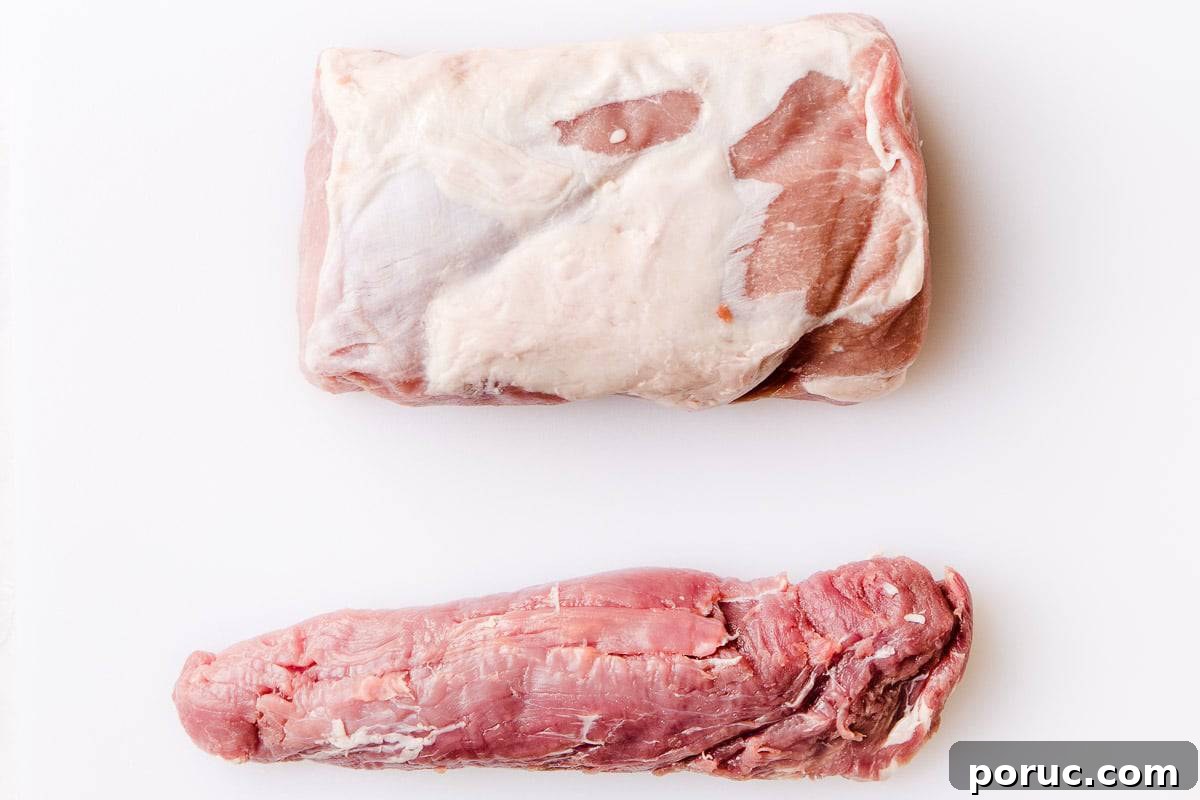
If you’re new to cooking pork, it’s easy to assume pork tenderloin and pork loin are the same because of their similar names. While both come from the loin area, they differ in size, shape, fat content, cooking needs and price. Below is a clear comparison to help you choose and cook each cut with confidence.
- What they are – definition
- Where they are – location
- How big they are – size
- How they taste – flavor
- How they look – appearance
- What they cost – price
- How healthy they are – nutrition
- How to prepare them – cooking
Table of Contents
Definition
What is a Pork Loin?
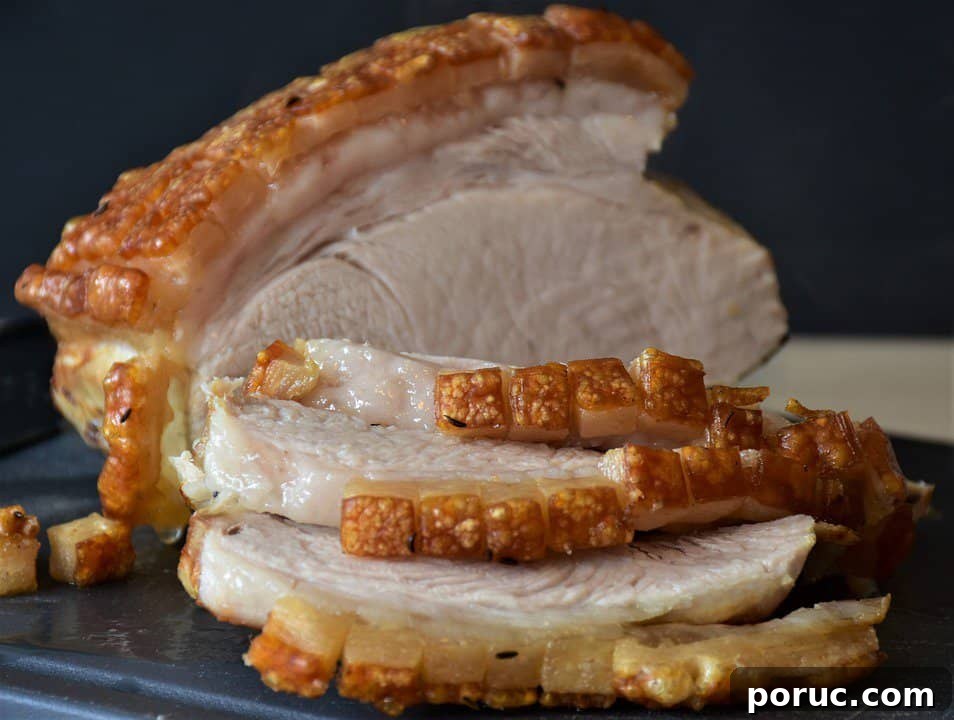
Pork loin is a broad, substantial cut from the back of the pig. It can be sold bone-in or boneless and often carries a noticeable fat cap. That fat layer adds moisture and flavor when roasted, grilled or smoked; trimming it removes flavor but may be preferred by some cooks. Retail pork loin products include rib half loins, center rib roasts and pork chops, all derived from the same primal cut.
What is a Pork Tenderloin?
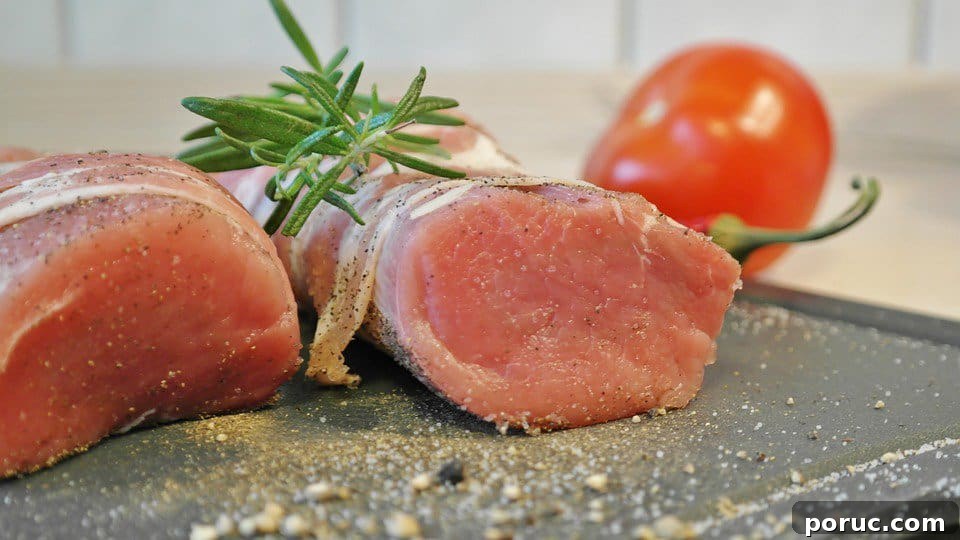
Pork tenderloin is a smaller, narrower, boneless cut taken from the muscle that lies closest to the spine. Because this muscle is not heavily used, the tenderloin remains very lean and tender. It’s typically long and slim, with minimal fat and no bone, and often marketed as pork filet.
What is a Pork Filet?
Pork filet is another name commonly used for pork tenderloin; the terms are often interchangeable.
Location
Where is the Pork Loin
The pork loin comes from the large muscle that runs along the pig’s back between the shoulder and the rear, sitting above the ribs and below the fatback. It spans much of the animal’s midsection.
Where is the Pork Tenderloin
The tenderloin lies alongside the spine within the loin area. It’s a distinct, elongated muscle that is much narrower than the full loin.
Size
How Big is a Pork Loin
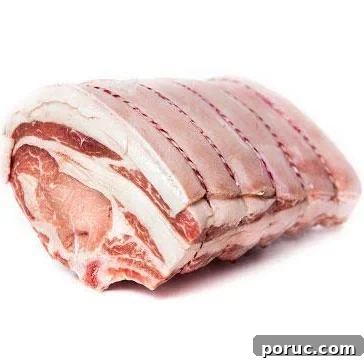
Pork loins are typically large, rectangular cuts that often weigh between two and five pounds or more. Because of their size, loins are commonly roasted whole or sliced into chops and can feed several people when used as a roast.
How Big is a Pork Tenderloin
Pork tenderloins are much smaller, usually under two pounds and often closer to one pound or less. Their shape makes them ideal for medallions or quick whole roasts, but they cannot be cut into typical chops like a larger loin.
Flavor
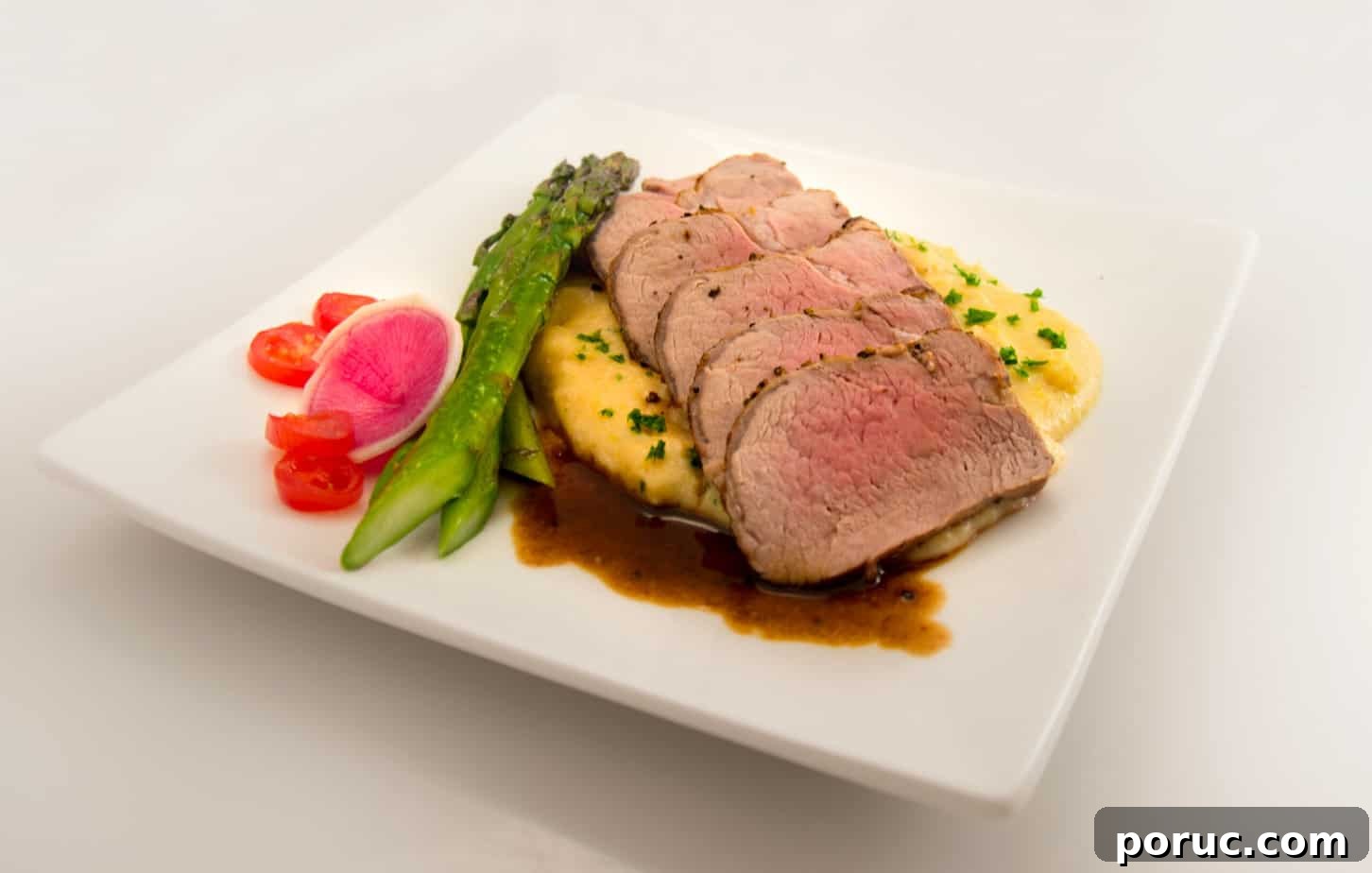
How Does Pork Loin Taste?
Unseasoned pork loin has a mild, slightly sweet flavor. When the fat cap is kept, the meat cooks juicier and develops a more pronounced taste. Properly cooked loin can be reminiscent of veal in texture and subtlety.
How Does Pork Tenderloin Taste?
Tenderloin is very lean and mildly flavored, often labeled “extra lean.” It readily absorbs marinades and seasonings, making it ideal when you want a tender cut that carries bold flavors from sauces or rubs.
Appearance
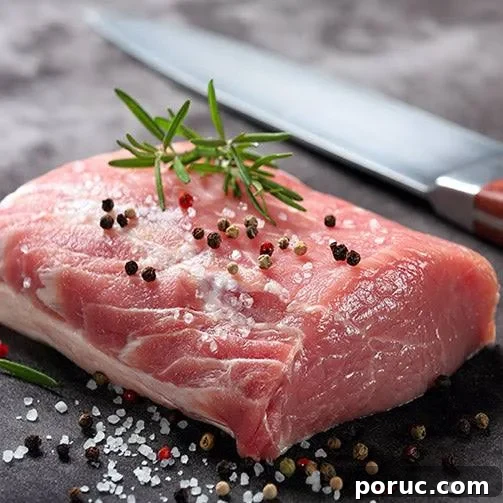
What Does Pork Loin Look Like?
Raw pork loin is light pink with minimal marbling; the fat cap is usually a distinct, white layer that may be quite thick. When cooked, the meat tends toward a pale color, and fattier areas can look slightly grayer or whiter.
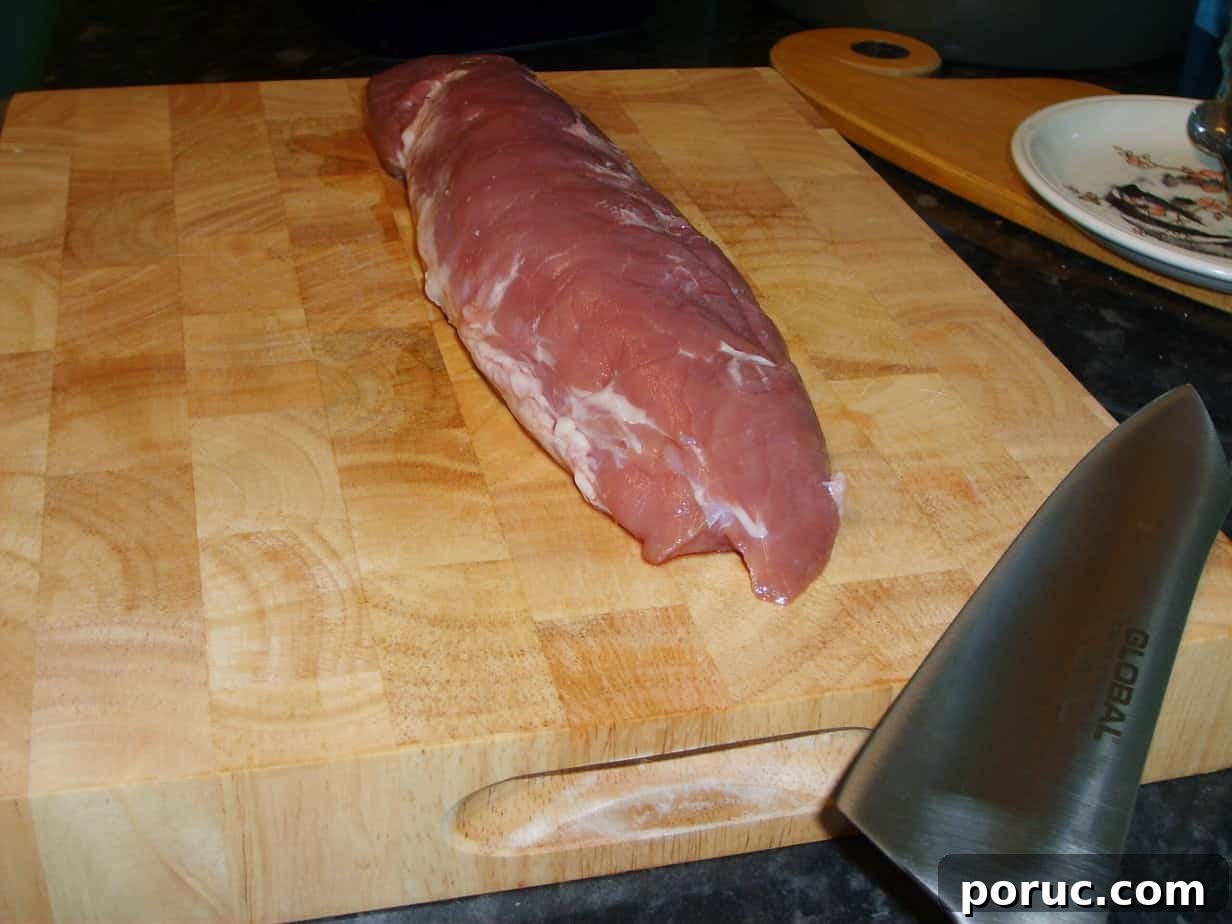
What Does Pork Tenderloin Look Like?
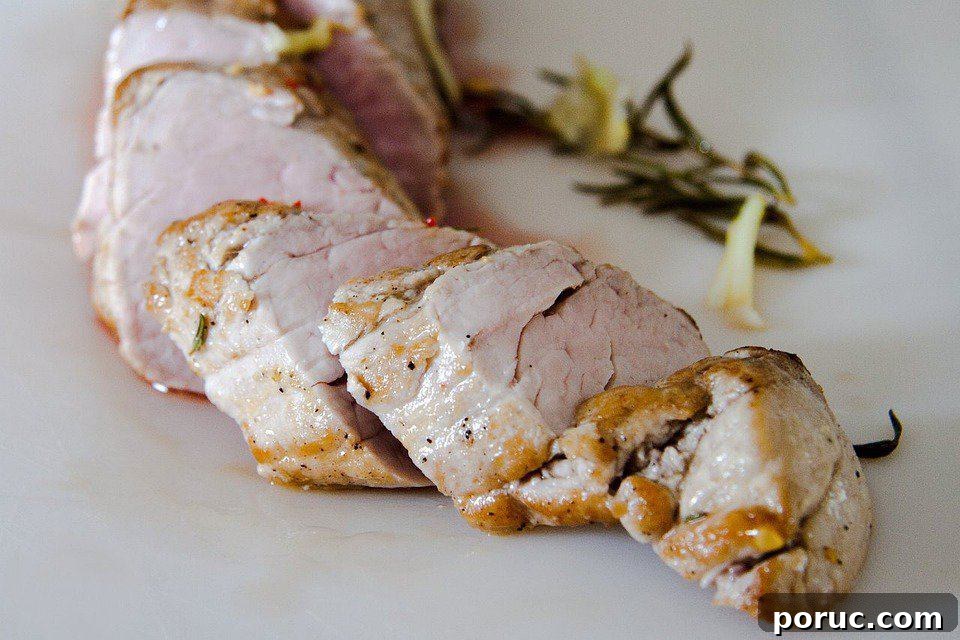
Raw tenderloin appears darker pink or light red compared to the loin and has very little visible fat. The muscle itself shows almost no marbling. Cooked tenderloin also becomes pale but retains a tender texture when cooked correctly.
Price
What Does Pork Loin Cost?
Pork loin is generally less expensive than tenderloin, though prices vary by region and whether the cut is bone-in or boneless. Boneless loins typically cost more because of processing. Prices fluctuate seasonally and by market, so expect a wide range depending on where you shop.
What Does Pork Tenderloin Cost?
Tenderloin commands a higher price due to its tenderness and smaller retail yield. Pre-marinated tenderloins are usually priced above fresh, unseasoned tenderloin. Regional pricing differences can be pronounced, so tenderloin often ranks among the pricier pork cuts.
Nutrition
What is the Nutritional Value of Pork Loin?
Nutritional values vary by cut and whether fat is left on. Typical values per 100 g for pork loin roast with fat include about 166 calories, roughly 21 g protein and around 8 g fat. Trimming the fat reduces calories and fat while keeping protein levels high. Always check labels on processed or pre-seasoned products, which can add significant sodium.
What is the Nutritional Value of Pork Tenderloin?
Pork tenderloin is leaner and slightly higher in protein per 100 g, with around 143 calories, roughly 26 g protein and about 3–4 g fat. Its low fat content makes it a good choice for lower-calorie, high-protein meals.
A Note on Nutritional Values
The numbers above are for raw, unprocessed cuts. Processed or pre-seasoned pork often has higher sodium and sometimes added fat. If nutrition matters, read packaging and adjust portion-based calculations to match your actual serving size.
Cooking
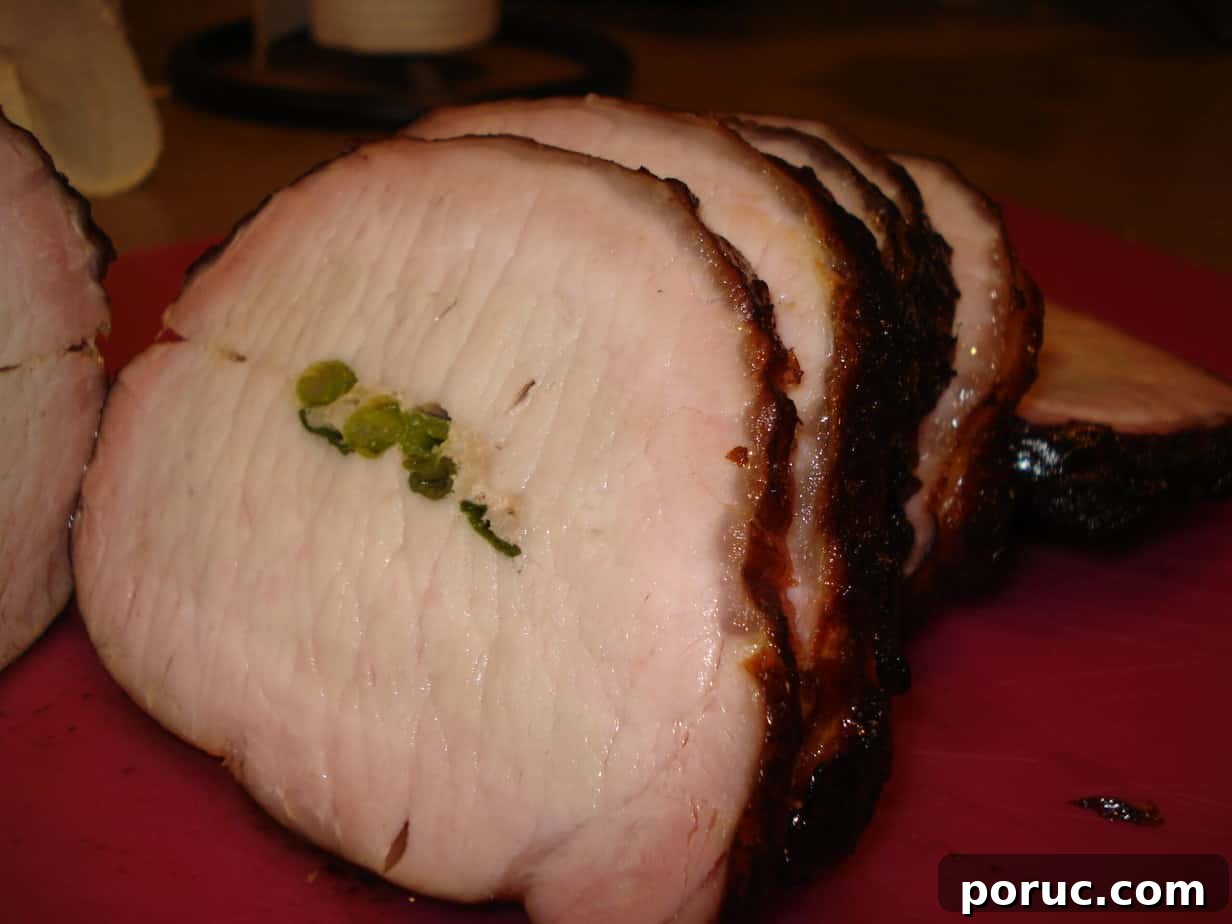
How Can You Prepare and Cook Pork Loin
Pork loin suits roasting, grilling and smoking, and benefits from longer cook times due to its thickness. Popular methods include roasting, braising, smoking, pan-frying chops, breaded cutlets or slow-cooking for fall-apart texture. A common approach is to sear the outside in a pan to develop a crust, then finish in the oven. Let roasts rest for several minutes—three to ten minutes or more—before slicing to retain juices. Keeping the bone in can add flavor and moisture.
Because loin is mild, it pairs well with a wide range of seasonings: garlic, onion, cumin, chile, mustard, paprika, thyme, rosemary, coriander, sage, clove, soy-based sauces, brown sugar and citrus all work well.
How Can You Prepare and Cook Pork Tenderloin
Tenderloin cooks quickly and is best with fast, high-heat methods like searing, quick roasting or grilling. It also works well cut into medallions for stir-fries. Remove any silverskin before cooking. Marinating tenderloin for 12–24 hours improves flavor and helps keep it juicy, since the cut has little fat to protect it from drying out.
Can You Substitute Pork Loin for Pork Tenderloin?
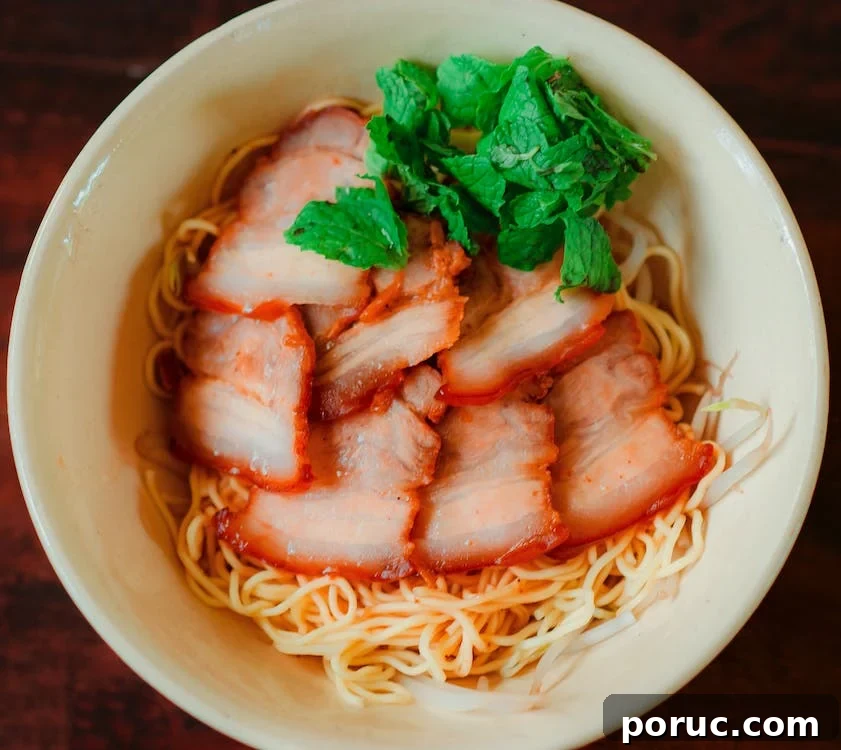
Substituting between loin and tenderloin is possible but not always ideal. Loin contains more fat and is larger, so it tolerates longer cooking and produces different textures and sauce consistency. Tenderloin is leaner and smaller; it cooks faster and risks drying out if treated like a loin. If you must substitute, trim and adjust cooking times and methods to suit the cut you have. Other potential substitutes for loin include sirloin roast or trimmed pork butt for certain preparations; for tenderloin, thick boneless pork chops can sometimes work with careful trimming.
Cooking Temperatures for Pork
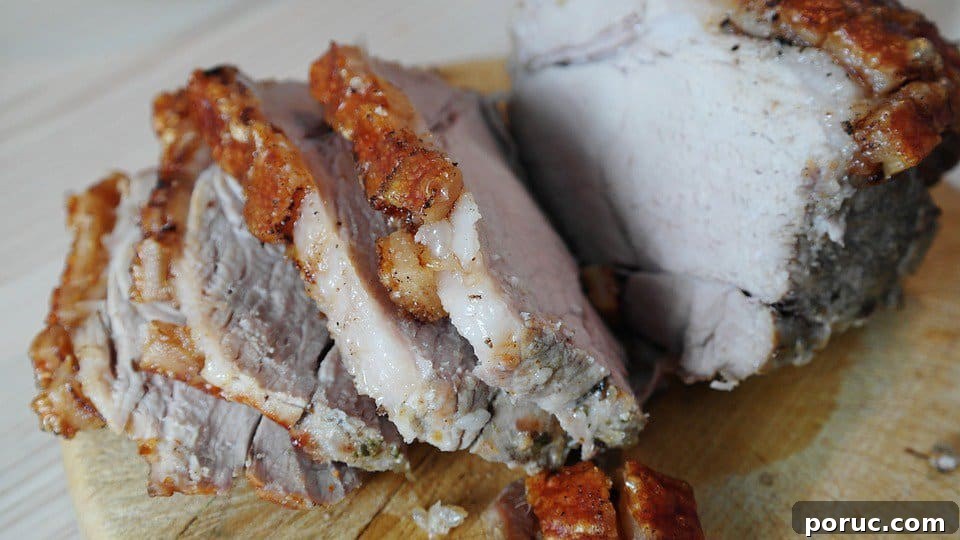
Cook pork to an internal temperature of 145°F and allow it to rest for at least three minutes for safety and juiciness. At this temperature, pork may show a light pink hue but is safe to eat. Higher internal temperatures (150–160°F) produce progressively less pink and drier meat. Ground pork and cured products have different temperature guidelines—ground pork should reach 160°F, while some cured hams are safe at lower temperatures depending on processing.
The Bottom Line
Pork loin and tenderloin are distinct cuts from the pig’s back. The loin is larger, often fattier and more economical, while the tenderloin is smaller, leaner and typically more expensive. Both are mild-flavored and versatile, absorbing many seasoning profiles. Choose loin when you want a roast or chops and richer flavor from a fat cap; choose tenderloin when you want a very tender, lean cut that benefits from quick cooking or a long marinade.