When kids graze all day—snacking here and there until it becomes constant—it quickly wears on parents. While some children politely ask before eating, others simply open the pantry and help themselves whenever the urge hits. Either way, it can feel like it’s ALL. DAY. LONG. The asking, the eating, the repeat—this pattern drains energy and makes managing mealtimes harder.
The problem with all-day snacking:
1. They fill up on empty carbs, leaving little appetite for nutrient-dense foods.
2. Or they snack so much during the day that they aren’t hungry for lunch or dinner.
3. An hour later they’re hungry again because they didn’t eat enough at mealtime.
Sound familiar?
To address this, I started answering “YES” when my kids asked for snacks—but with boundaries. Setting clear, simple rules around snacking has been the most effective and low-drama solution we’ve found.
Our solution to all-day snacking
When our kids were younger we had a stricter snack schedule. Now that they’re older and more responsible, we give them more freedom—within clear boundaries. I considered more elaborate systems (like packing a daily container for snacks), but we needed something realistic we would follow consistently. The flexibility of being home more right now helped us land on rules that are simple, sustainable, and effective.
1. MEALS: Stick to a schedule for mealtimes
Hunger affects mood and focus—just like in adults. We keep consistent meal times for breakfast, lunch, and dinner. Though the occasional day changes, having predictable mealtimes helps children’s bodies adapt so they’re naturally hungry at the right times and less likely to graze continuously.
2. SNACKS between meals must be fruits or vegetables
This rule curbs empty-calorie snacking and encourages healthier choices. During the day they don’t need permission to snack, but snacks must be fruits or vegetables—fresh, frozen, or dried. Nuts like almonds or cashews and hummus are also allowed. Crunchy carb-type snacks (popcorn, pretzels, veggie straws) are fine with lunch or as an occasional dessert replacement after dinner.
3. Smoothies make great snacks
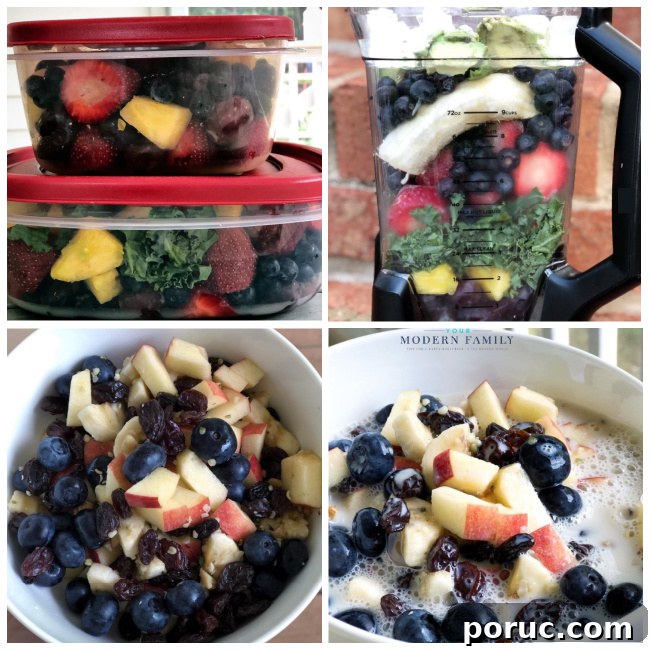
Smoothies are allowed anytime as long as they’re made without added sugar. We keep fresh and frozen fruit, vegetables, avocado, and plant-based milks on hand so kids can quickly blend a healthy drink. They’re filling, nutritious, and easy to customize.

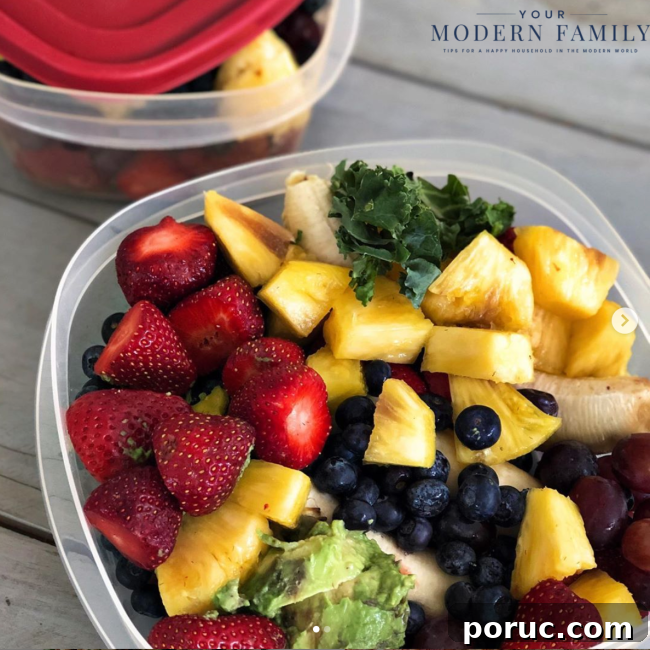
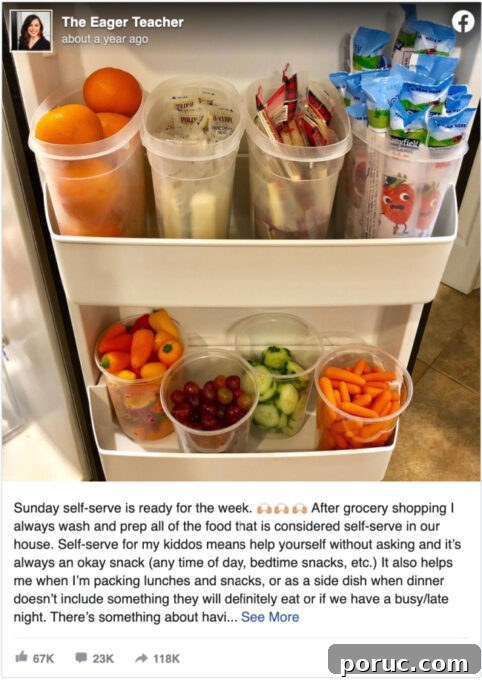
We also prepare fruit bowls with hemp seeds and a splash of pea or coconut-almond milk. To remove friction, we wash and prep fruits and vegetables as soon as they come into the house—ready-to-eat snacks are much more likely to be eaten.
We keep no-sugar-added squeezable applesauce pouches and similar items on hand for quick options. The children know these are available whenever they need something fast.
4. Another option: Give specific choices
For younger kids or families who prefer more structure, pre-planned containers with specific snack options work well. If a child is hungry, they choose from the prepared containers—no negotiation needed. This makes decisions easier and reduces constant asking.
5. Dessert comes after dinner
Daytime snacks are reserved for fruits and vegetables because we don’t want kids filling up on empty calories. That said, we’re not opposed to dessert. In my family I grew up with a small cup of ice cream after dinner every night, and our kids enjoy the same tradition. We serve a modest portion—just enough for a treat. If they’ve eaten well and made good snacking choices during the day, a small dessert after dinner is allowed.
Life is about balance.
- 25 Healthy Foods Kids Love
- Meal Planning for Kids
- Yellow Rice and Beans Recipe (a family favorite)