When a frost is in the forecast, knowing which herbs and vegetables tolerate cold can help you decide what to protect, harvest, or leave to finish ripening. A little planning can save a season’s worth of produce.
What Exactly is a Frost Warning?
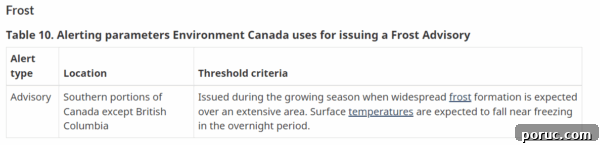
Weather services issue a frost warning when overnight temperatures are expected to approach or fall below freezing. These advisories help gardeners decide whether to cover plants or harvest tender crops.
The likelihood of frost damage increases when:
- winds are light and skies are clear
- your garden sits in a low-lying area or valley
- daytime temperatures around the frost event remain cool (about 1–4°C / 35–39°F)
What Does Frost Do to Garden Plants?
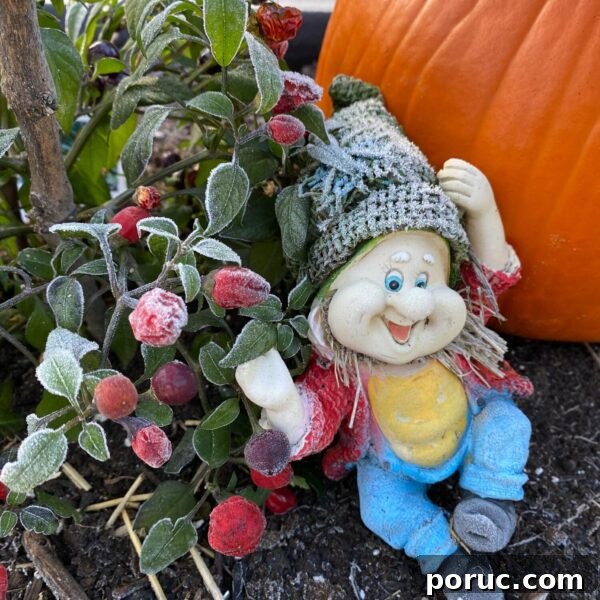
Plants vary in sensitivity to cold. A light frost may only harm very tender growth, while a severe frost can damage most above-ground plant tissue. Frost forms when water inside plant cells freezes, rupturing cell membranes. The duration of freezing temperatures and how far below freezing they drop determine the extent of damage.
Frost is commonly categorized as:
- Light frost: -1.7 to 0°C (29–32°F) – may kill the most frost-sensitive plants
- Moderate frost: -3.9 to -2.2°C (25–28°F) – typically damages most above-ground vegetation
- Severe frost: -4.4°C (24°F) and colder – can cause heavy damage to many garden plants
If a light frost occurs but several warm, sunny days follow, it can be worth covering plants and keeping them in place for a short time rather than clearing the bed immediately.
Frost is a normal part of northern growing seasons. You can check local averages for the first fall frost to inform decisions about planting and protection.
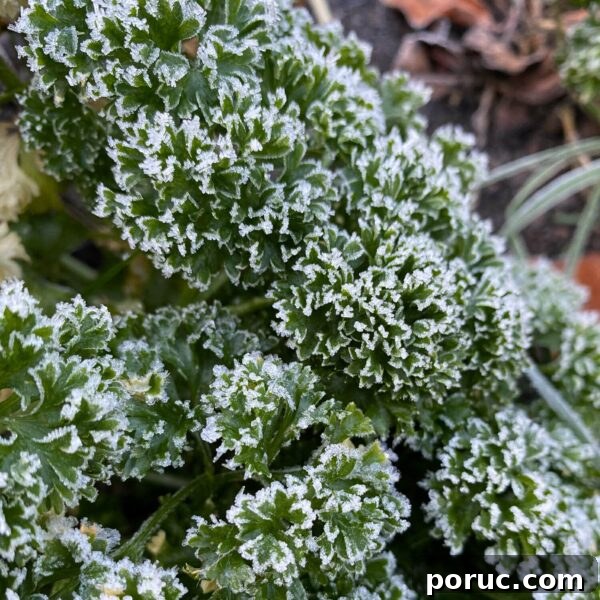
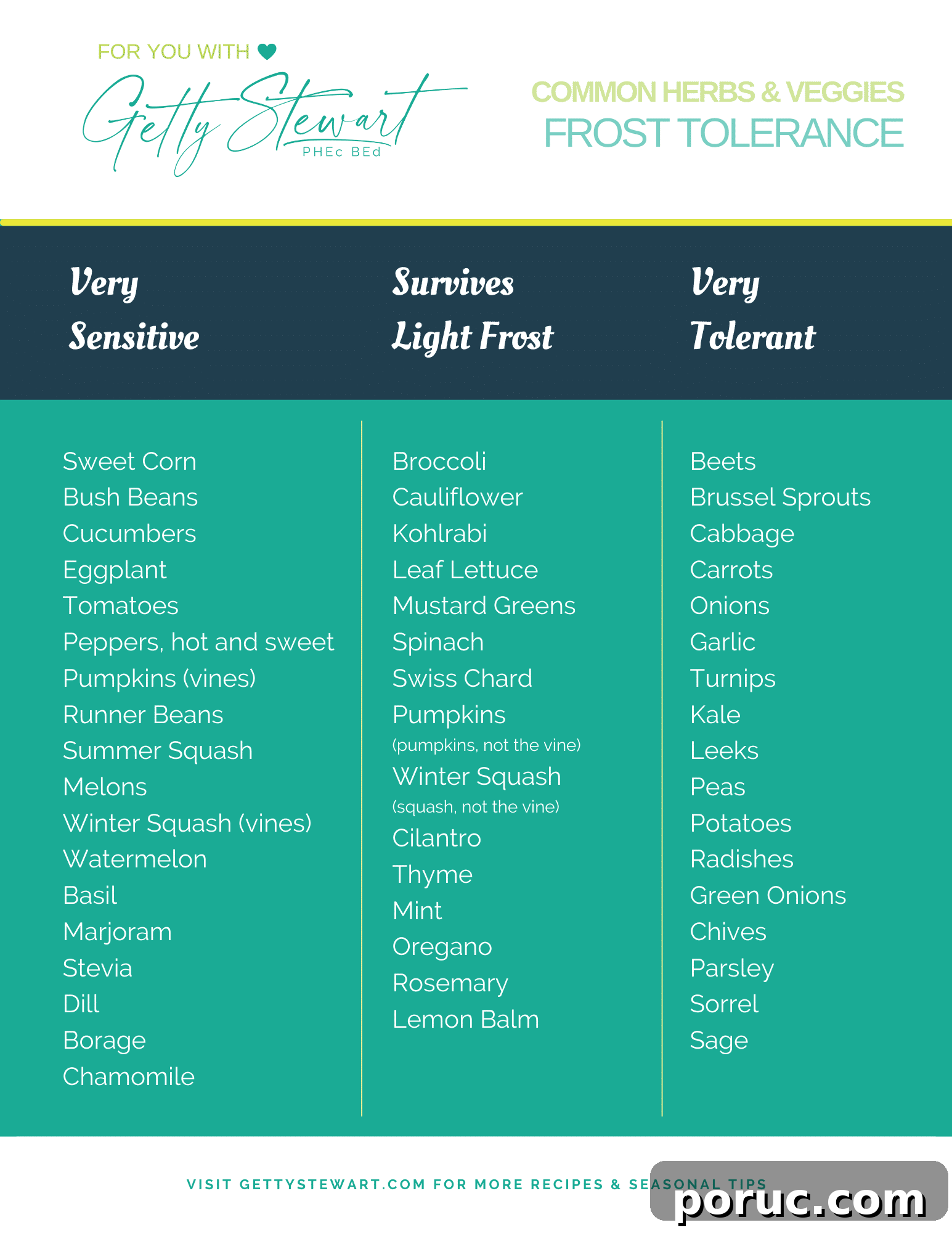
Frost Tolerance of Herbs and Veggies
Below is a visual chart showing common herbs and vegetables and their relative tolerance to frost. Use it to prioritize what to harvest or protect when frost is forecast.
What to Do When There’s a Risk of Frost
1. Assess & Strategize
- Consider where you are in the season—early or late fall—and how many warm days are likely to remain.
- Check how low nighttime temperatures are expected to drop and for how many nights.
- Decide which crops are most important to protect versus those you can harvest now.
- Harvest ripe or nearly ripe produce before the frost if possible.
Decisions about whether to protect plants or harvest depend on the timing of frost relative to your local average first frost date, the severity and duration of the cold, and how much warmth remains in the longer-range forecast. Gardeners often balance the desire to let some crops finish ripening against the risk of losing tender plants.
2. Water Plants
Watering the soil thoroughly the day or evening before a short, light frost can help. Moist soil stores heat and releases it slowly overnight, which can moderate temperature drops at plant level.
3. Cover Your Plants
Place covers such as row cloth, old sheets, light blankets, burlap, or buckets over plants to trap ground heat. Ensure covers reach the ground so they trap warmth effectively. Secure coverings with rocks, boards, or stakes so they don’t blow away.
Remove covers during the day so plants receive light and fresh air, unless you’re using breathable row covers designed to allow light, air, and moisture through.
Pro tip: Avoid using plastic sheets directly on plants unless you can keep the plastic from touching leaves and fruit with hoops or supports. Plastic that contacts plant tissue can transfer cold and increase damage.
4. Harvest What You Can
Prioritize harvesting the most frost-sensitive items first. Pick basil, peppers, cucumbers, and zucchini before a frost if they are ready. Pull as many tomatoes and squash as possible; any that need more time can be covered if you expect only a brief cold snap.
Prepare storage space: canners, freezers, and pantry shelves all come in handy at frost time. Quick action can turn a potential loss into jars, frozen bags, or fresh meals.
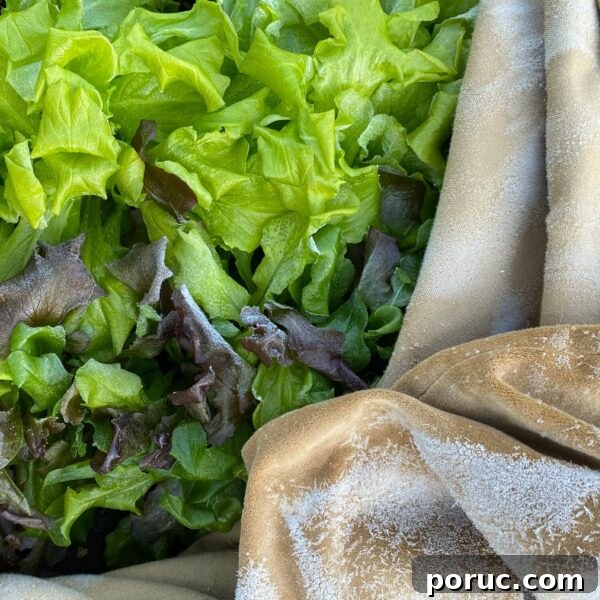
Which plants will you protect when frost is predicted? Consider your priorities, available covers, and how much effort you want to put into saving particular crops.
I’d love to hear your frost-warning tactics. Gardens draped in sheets have a cozy, protective look—snap a photo and share if you like.
Cook with the seasons, effortlessly! I’m Getty, a food educator and Professional Home Economist helping you select, store, and serve seasonal ingredients in simple, delicious meals. Sign up for seasonal tips and recipes, and explore my books, guides, and online content for more seasonal inspiration.