I love a fresh start, and January is the perfect time for new resolutions. This year I decided to be more social and push myself to get out more. After my Celiac Disease diagnosis and the arrival of my baby, my social life dwindled.
Part of me says, “Go out, be social!” but another part resists because leaving home can feel overwhelming. Even casual visits to friends’ houses can be stressful when you have Celiac Disease or food allergies. If you’ve experienced this, you probably understand the anxiety that comes with eating outside your own kitchen.
Eating anywhere other than my home means asking a lot of questions. I can be the person at a restaurant asking numerous questions and catching curious looks (especially since “gluten free” is often mistaken for a fad). Or I ask friends a long list of questions about ingredients, or I invite people to my small apartment so I can control the food — none of which feel ideal. But here’s the reality:
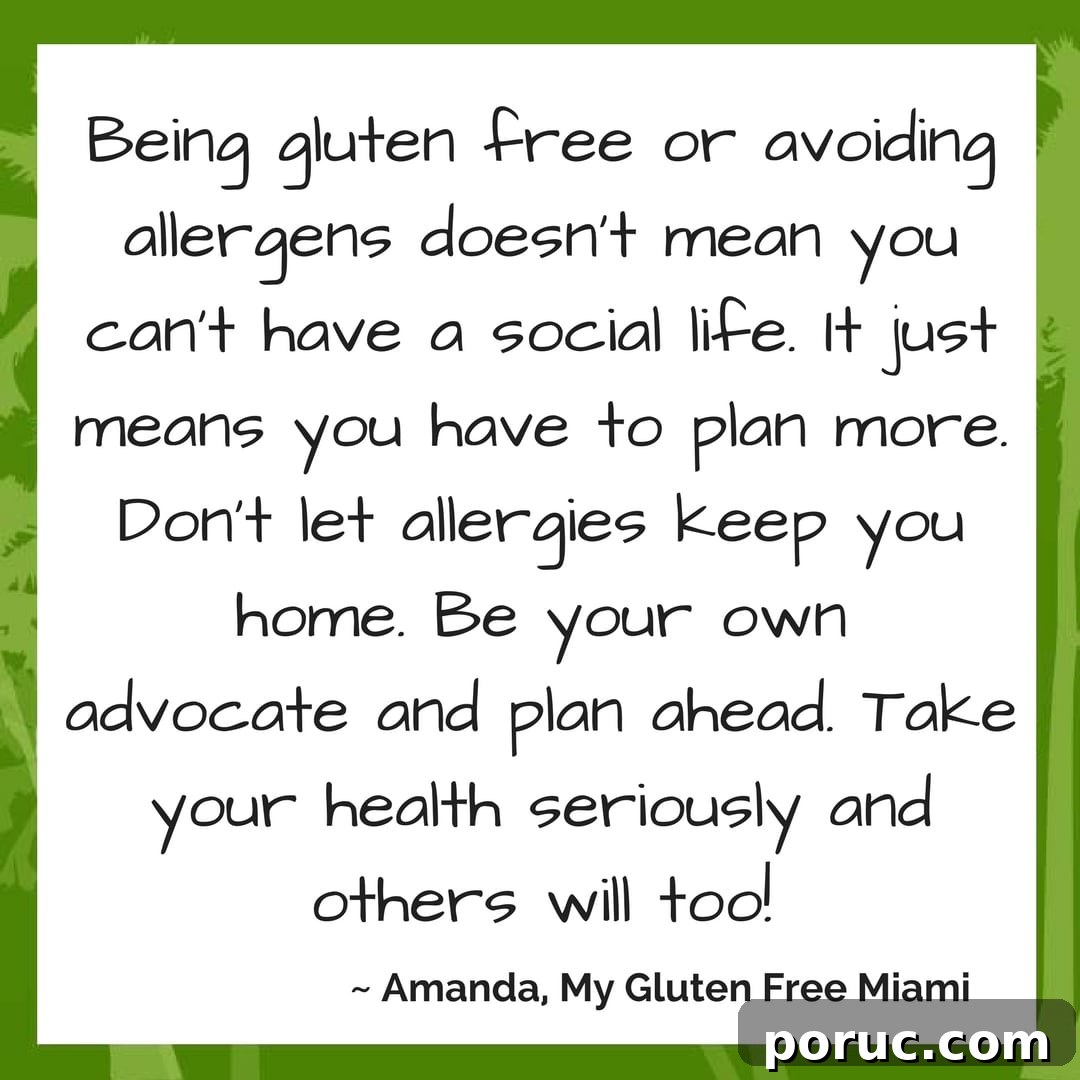
When you have Celiac Disease or significant food allergies, you will often be the person who asks questions and sets boundaries.
Change your perspective: move from timid to advocate.
When it comes to my health, I get to be that person — it’s a matter of safety. I cannot have gluten under any circumstance. If I want to maintain a social life, I need to accept that asking questions and advocating for myself is part of that. Below are practical steps I’m using to rebuild my social life this year. They may help you too.
5 Tips for a Gluten-Free Social Life
These are simple, realistic strategies to keep social connection without sacrificing safety.
-
Identify local restaurants with safe options.
Make a short list of neighborhood eateries that offer at least one reliably safe choice. Even a salad or a naturally gluten-free dish can be enough. Remember, the goal is spending time with friends, not a culinary experience.
-
Have easy, safe recipes ready to share.
Keep a few simple recipes that use naturally gluten-free ingredients on hand. When friends invite you over or ask what to make, offer these options and explain why avoiding cross-contamination is important.
-
Bring food or suggest appetizers if you’re unsure.
If you don’t fully trust someone’s ability to prevent cross-contamination, propose a safer alternative like appetizers or a potluck-style gathering where you bring a guaranteed-safe dish.
-
Educate others kindly.
Many people want to help but don’t know how. Explaining what Celiac Disease requires and why cross-contamination matters can make future gatherings easier. Most people are understanding when given clear information.
-
Find a supportive community.
Seek out friends or local groups who understand Celiac Disease and food allergies. A support network provides practical tips, shared experiences, and emotional encouragement.
Tips from the Community
One of the greatest blessings of dealing with Celiac Disease has been the community that formed around shared experiences. The food allergy community is generous and supportive. Below are contributions from fellow parents and advocates sharing how they handle allergies and social life in the new year.
 Pamper Yourself
 Pamper Yourself
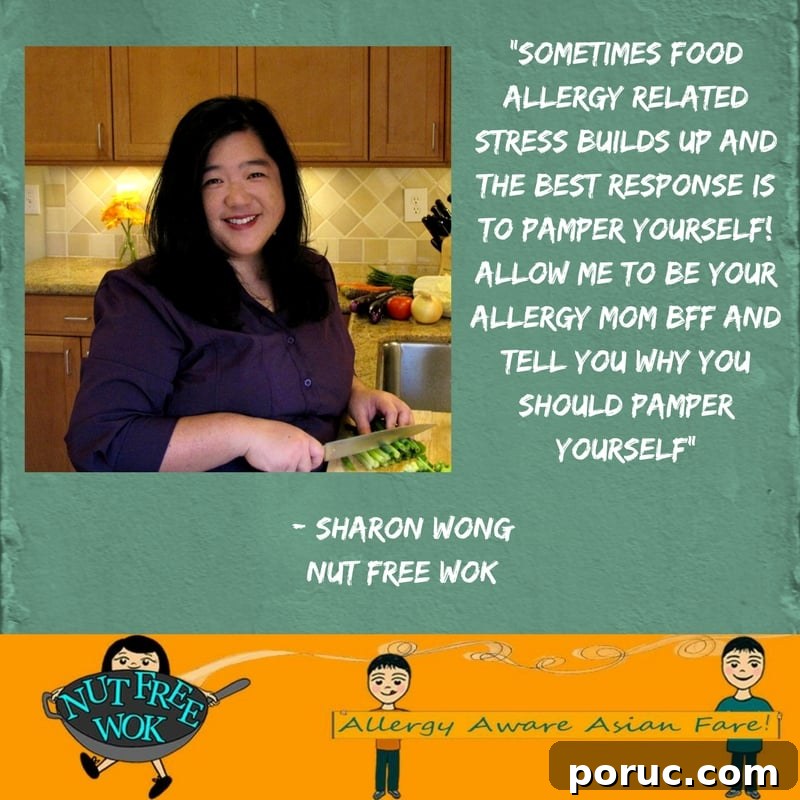
“Sometimes food-allergy-related stress builds up, and the best response is to pamper yourself. Allow someone to be your allergy mom BFF and explain why taking time for self-care matters.” — Sharon Wong, Nut Free Wok
Become an Information Ninja
 Become an Information Ninja
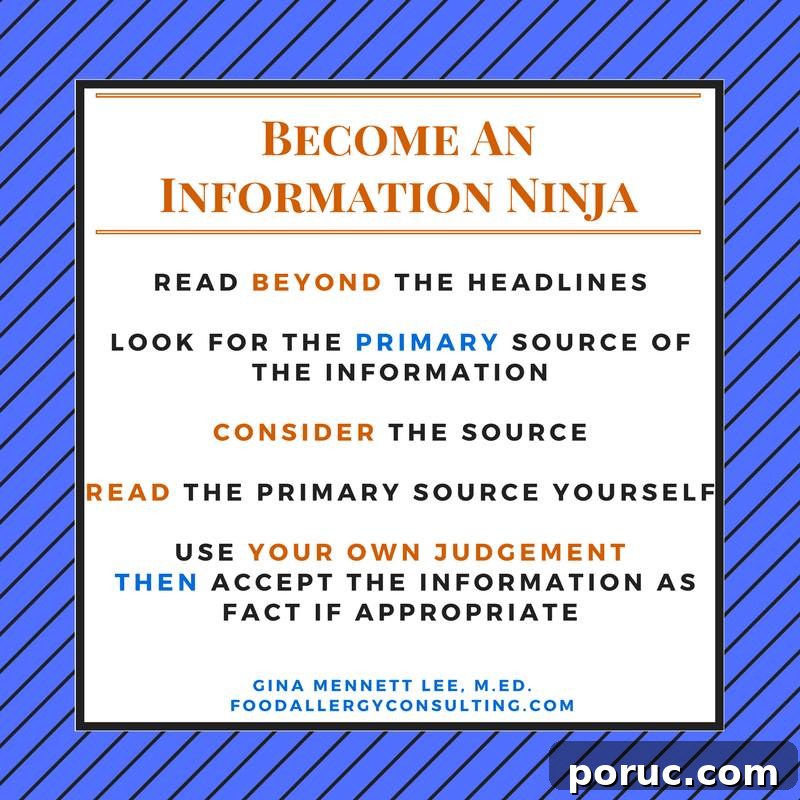
“When you’re managing a serious medical condition, educating yourself can be the single most important step. Learn the practical tips you wish someone had told you when you first became a food-allergy parent.” — Gina Mennett Lee, Food Allergy Consultant and Educator
Allergies: What Do You Say?
 Allergies: What Do You Say?
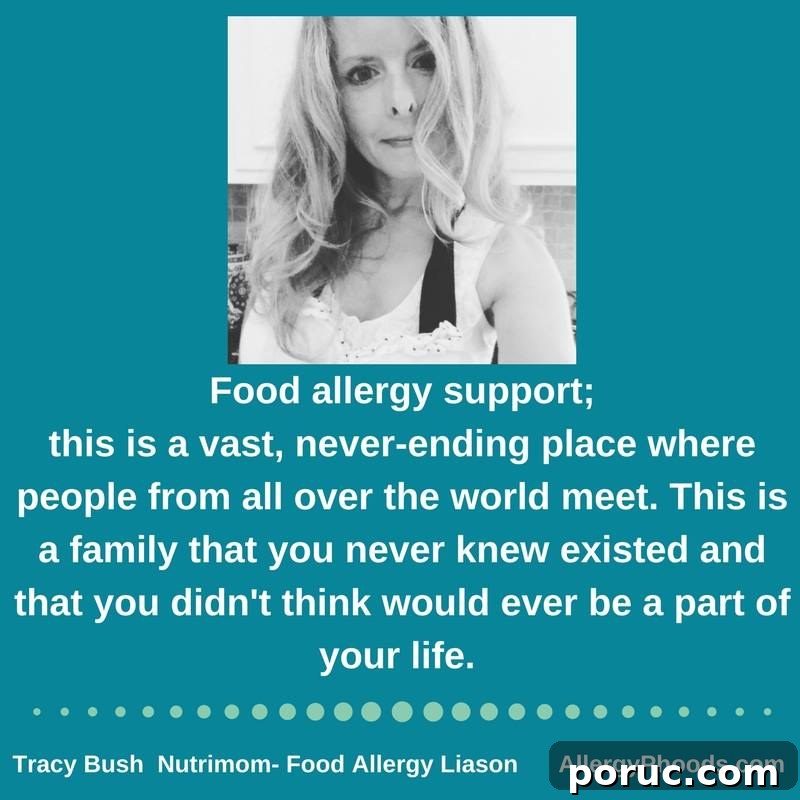
“Food allergy support is a vast, ongoing community where people from around the world connect. It becomes a family you didn’t know you needed, and it can change how you approach life with allergies.” — Tracy Bush, AllergyPhoods
Everything Will Be Okay
 Everything Will Be Okay
“Remember that everything is going to be okay. Food allergies are tough and can feel overwhelming, but you will get through it, and so will your child.” — Allergy Superheroes
Living with Celiac Disease or food allergies changes how you navigate social situations, but it doesn’t mean the end of your social life. With planning, communication, and support, you can maintain meaningful connections while keeping yourself safe. Start small, set boundaries, and seek out people who understand — your social life can thrive again.