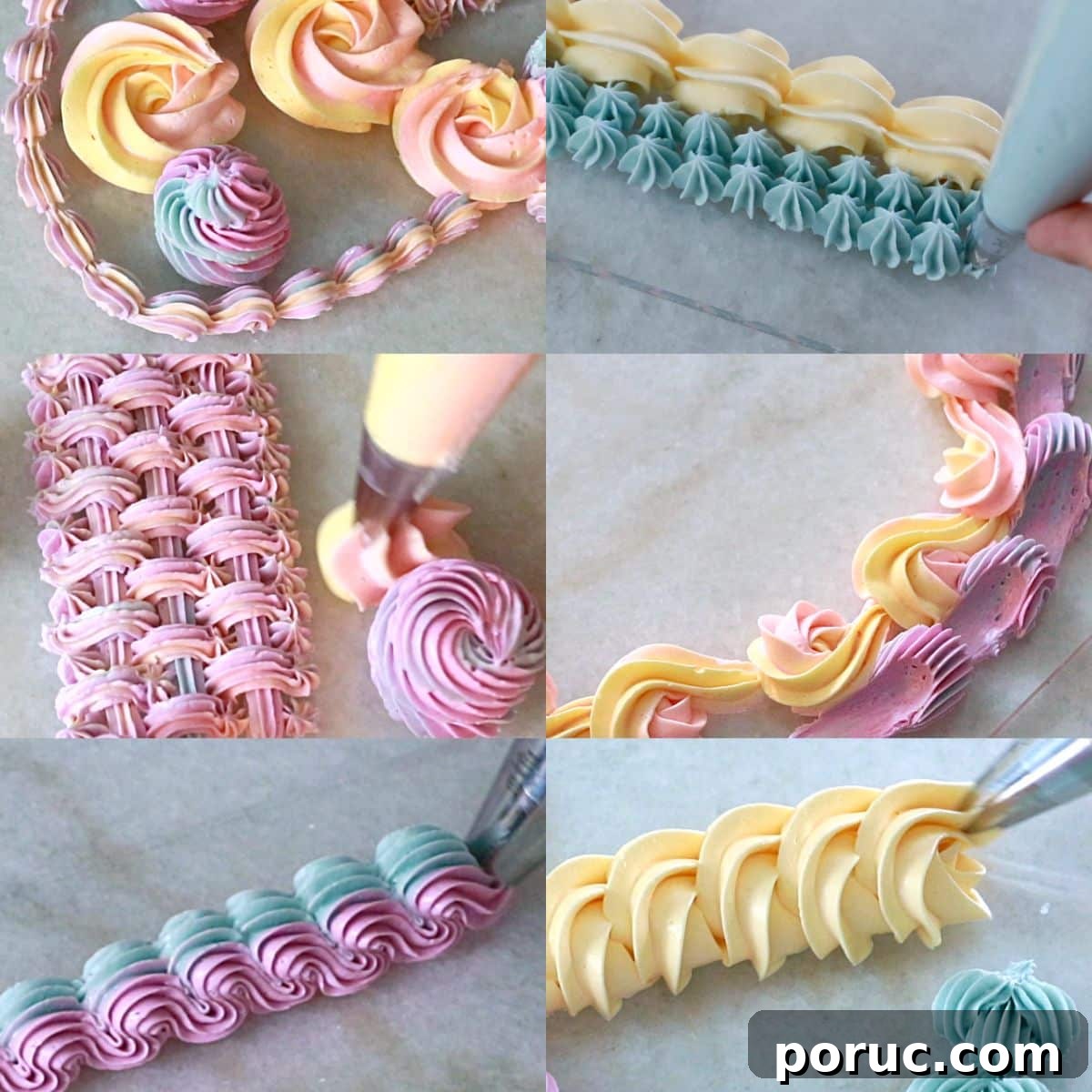
Discover 30 easy piping techniques with star tips to decorate birthday cakes, wedding cakes, cupcakes, and more. These simple yet elegant piped designs are achievable with a bit of practice, suitable for bakers at any level.
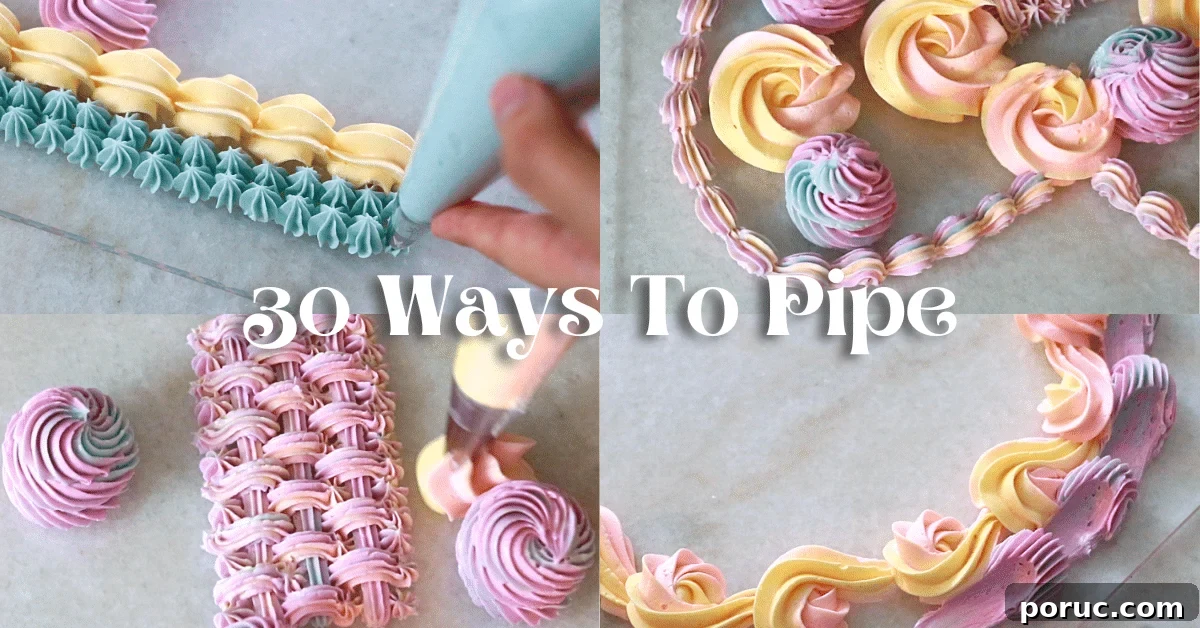
I hope this guide inspires new decorating ideas for your special cake. Many of these designs can also be piped with round tips for a different look. You can experiment and mix tip styles to discover variations of each pattern.
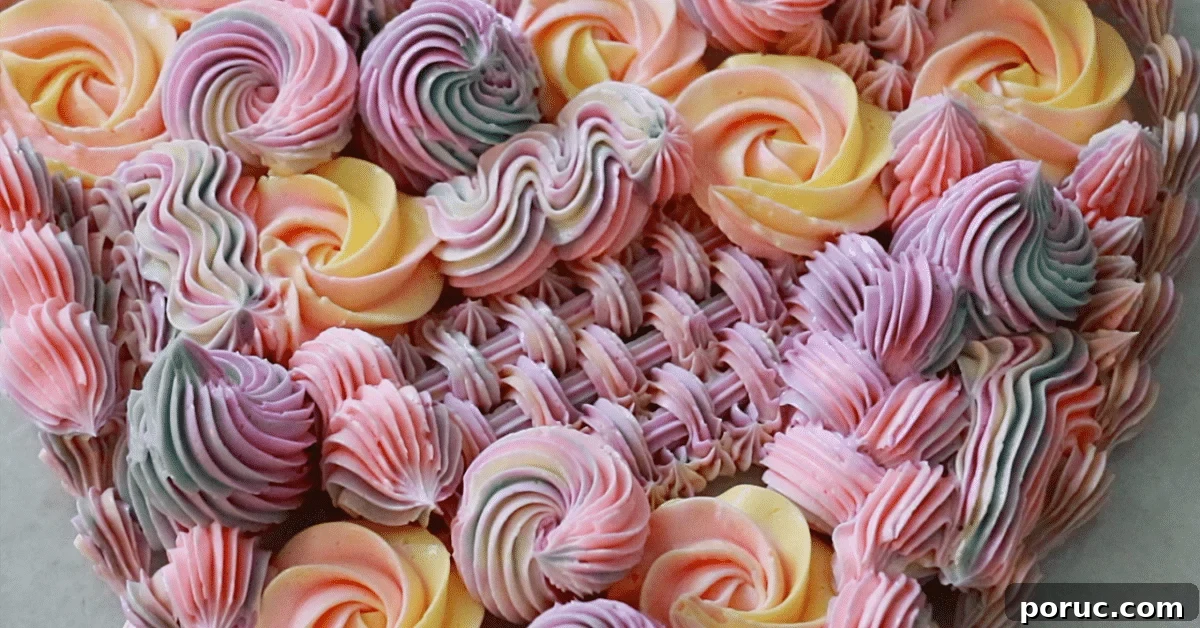
Watching the video demonstration in this post is highly recommended to better understand the hand movements for each technique.
Let’s get started!
Pick Star Tips.
2 types of star tips
Star tips are commonly divided into two types:
- Closed-star tips: Tips with curved teeth.
- Open-star tips: Tips with straighter, more open teeth.
For this tutorial I used three open-star tips: 21, 1M, and 6B.
- 21 is a popular small star tip for fine details.
- 1M is a common medium-sized star tip great for classic swirls and rosettes.
- 6B is larger and a French star tip with finely notched edges for delicate texture.
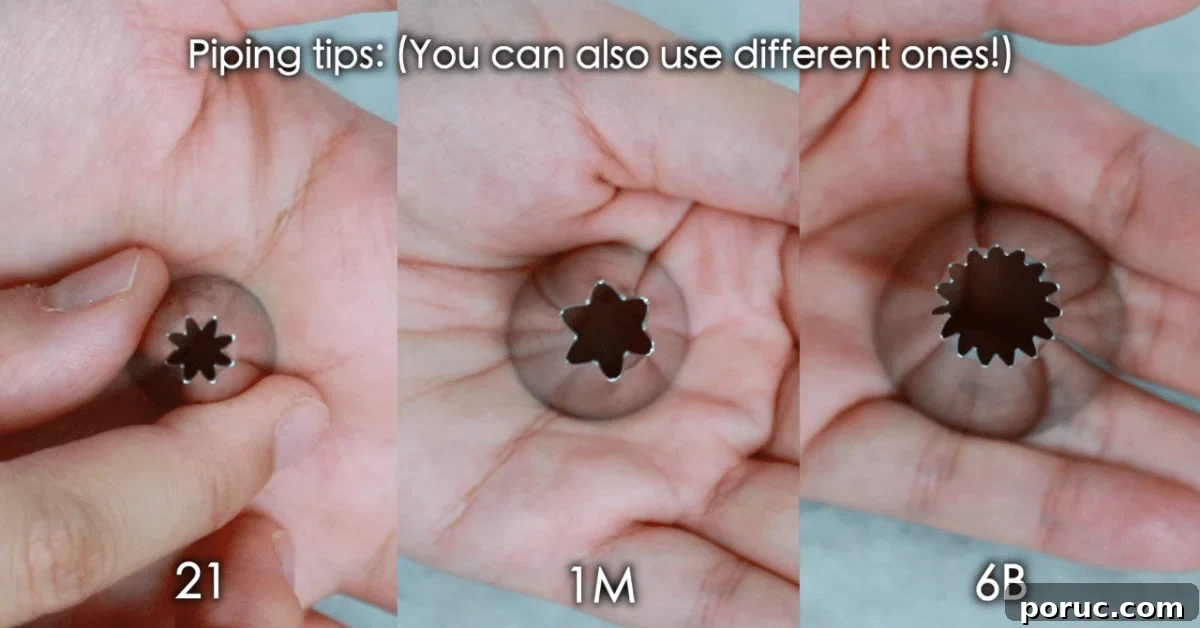
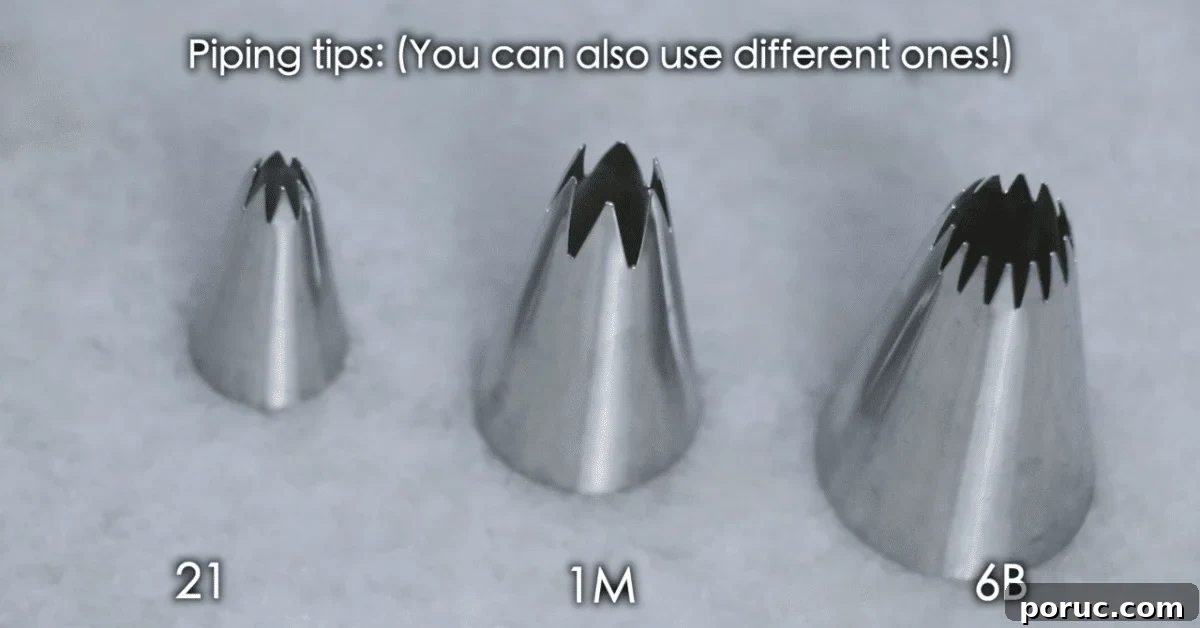
Choose star tips in various sizes and shapes to create a range of textures and effects.
Different Types Of Buttercream Frosting
For piping, use any firm frosting such as buttercream, stabilized whipped cream, or royal icing. Different buttercreams offer different textures and stability.
Common buttercream types:
- Swiss buttercream: Swiss meringue + butter. Smooth, stable, and silky.
- Italian buttercream: Italian meringue + butter. Light and stable once made correctly.
- French buttercream: Pâte à bombe + butter. Rich and silky.
- American buttercream: Sugar + butter. Easy and sweet, but can be softer in heat.
- German buttercream: Pastry cream + butter. Creamy and custardy.
- Russian buttercream: Condensed milk + butter. Sweet and creamy.
- English buttercream: Crème anglaise + butter. Smooth and rich.
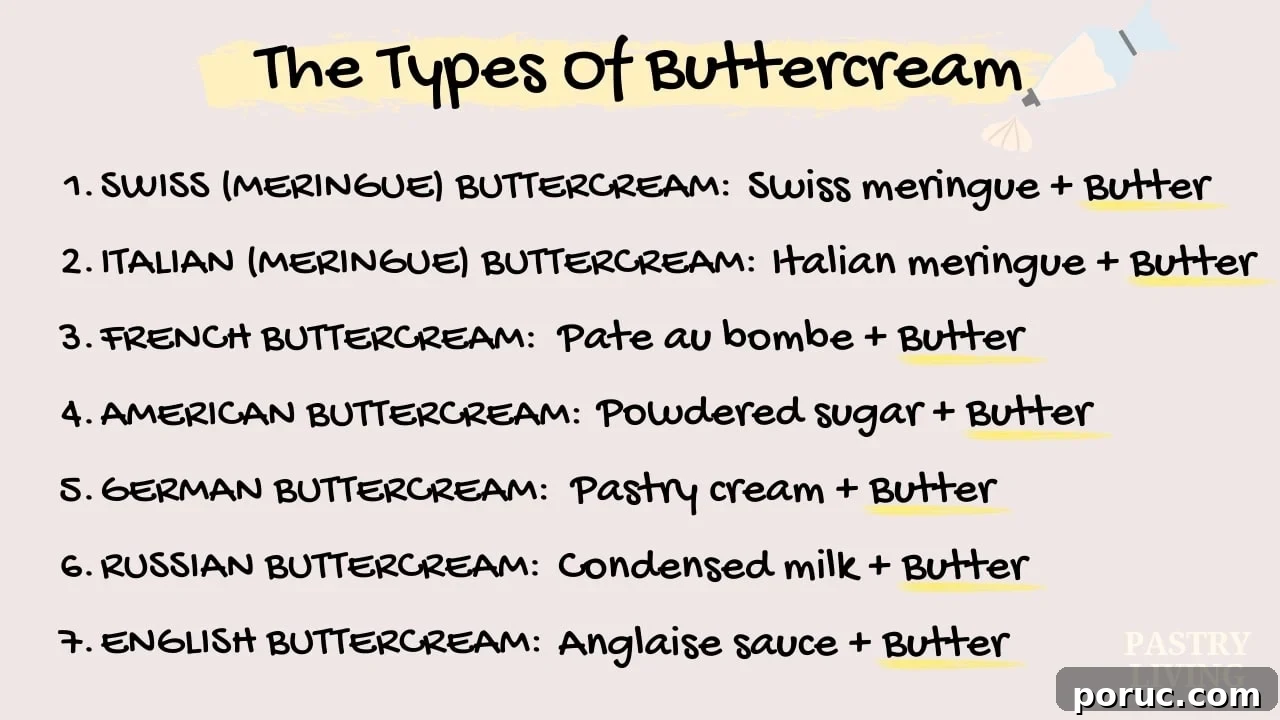
You can flavor frostings with vanilla, almond, citrus, or cocoa. Cream cheese and lemon frostings are also excellent choices for many designs.
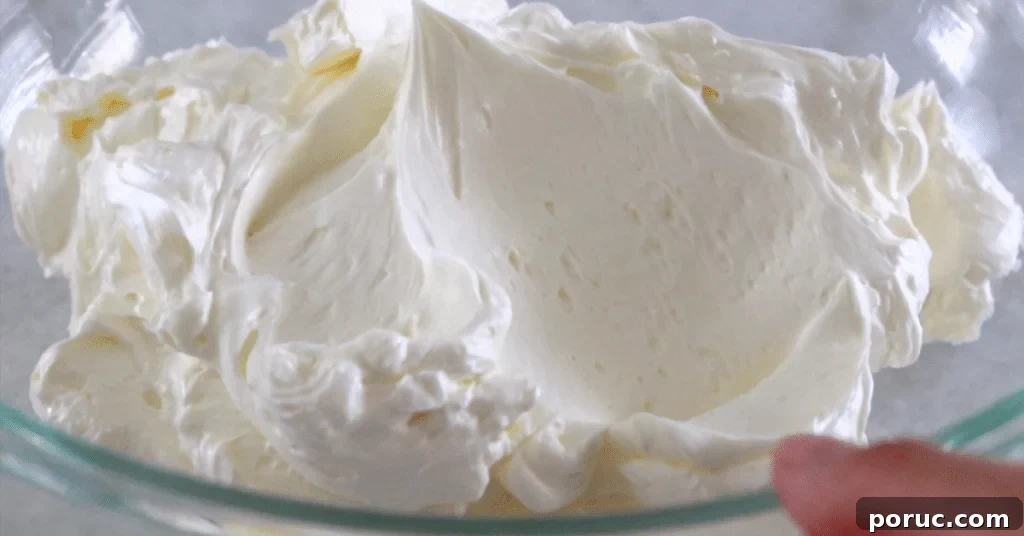
For these demos I used a Swiss buttercream recipe. It’s stable, fluffy, smooth, and holds detail well—ideal for detailed piping.
VIDEO: Watch How To Pipe with Star Tips!
Follow the step-by-step video tutorial to see each piping motion and timing in action for the techniques below.
Subscribe to the channel for more baking tutorials.
💬 Note: A hidden message is revealed at the end of the video using the 30 piping patterns—watch to the end to see the reveal.
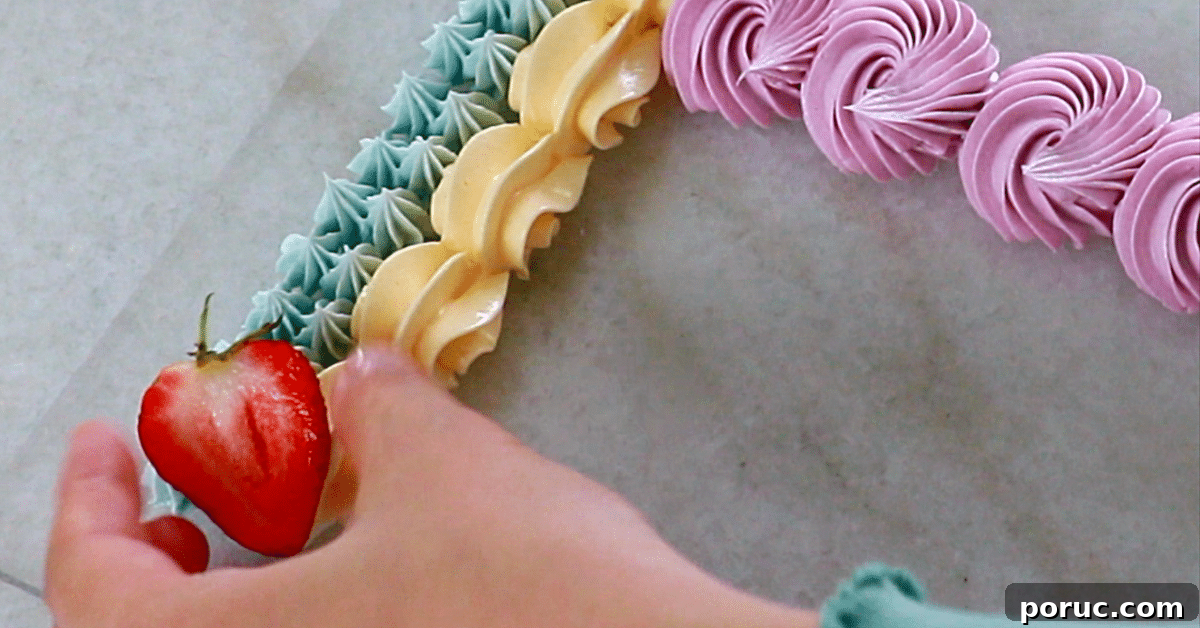
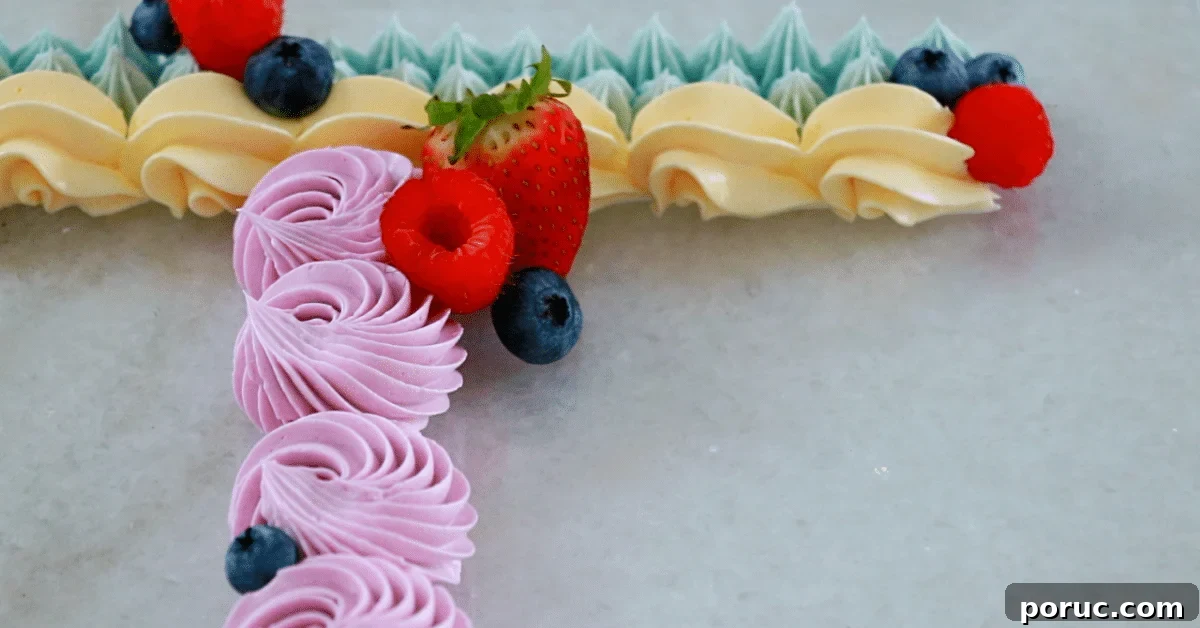
30 Ways To Pipe With Star Tips
1. Shells
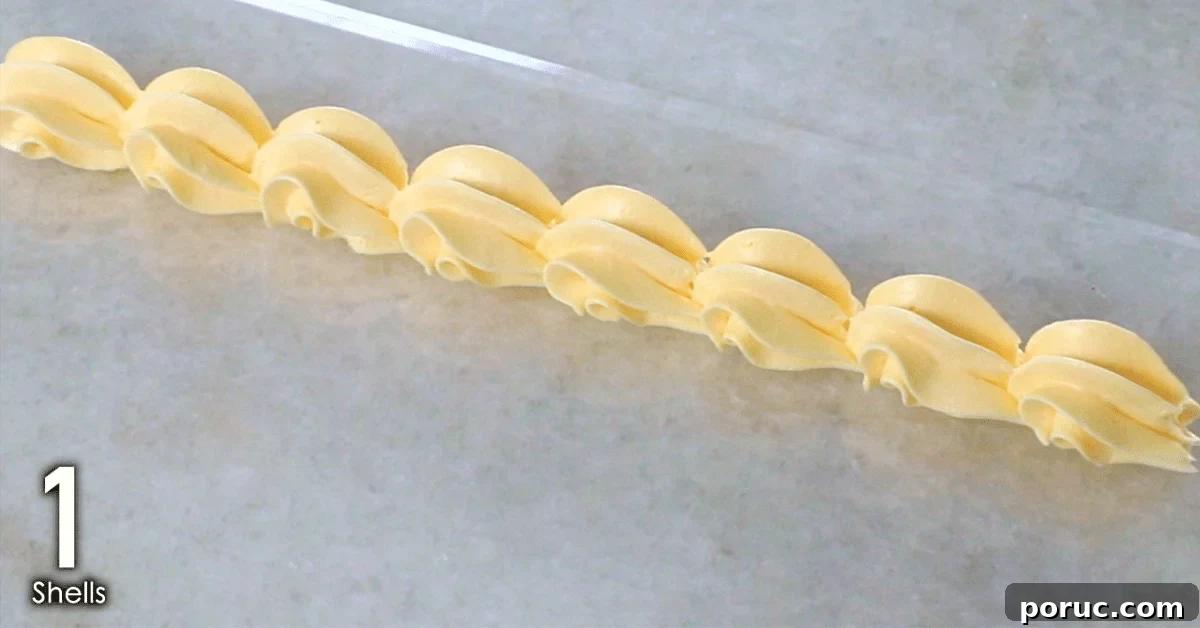
Hold the bag at about 45 degrees, squeeze until you reach the desired size, then pull the tip back to form a tapered tail. Round or leaf tips give a sharper finish.
2. Drops
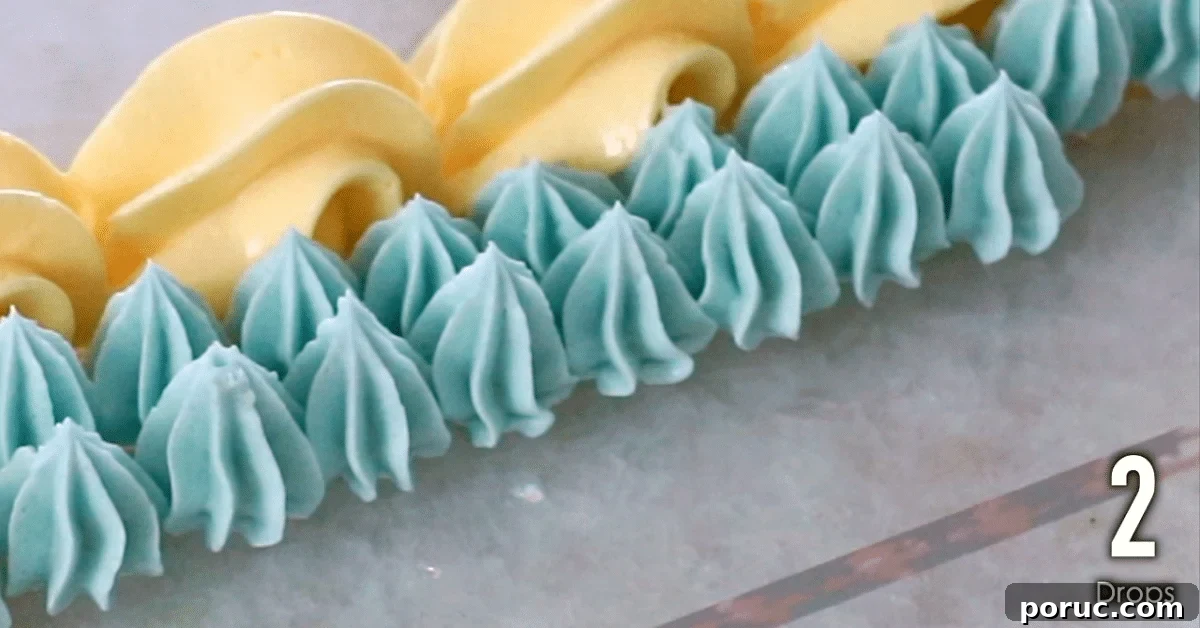
Hold the bag vertically, squeeze, then lift the tip away as you stop pressure to form a peaked drop. Larger tips create bolder drops.
3. Basic swirl
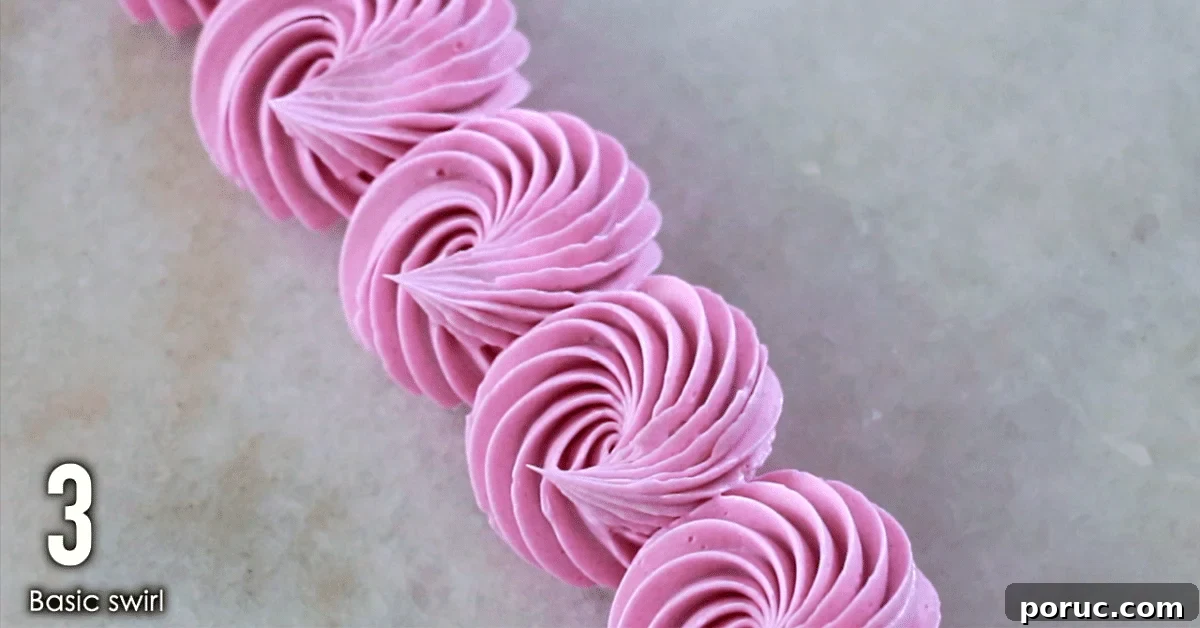
Move the tip in a circular motion while squeezing, then slide out quickly to finish. French tips give an elegant spiral texture.
4. Strawberry
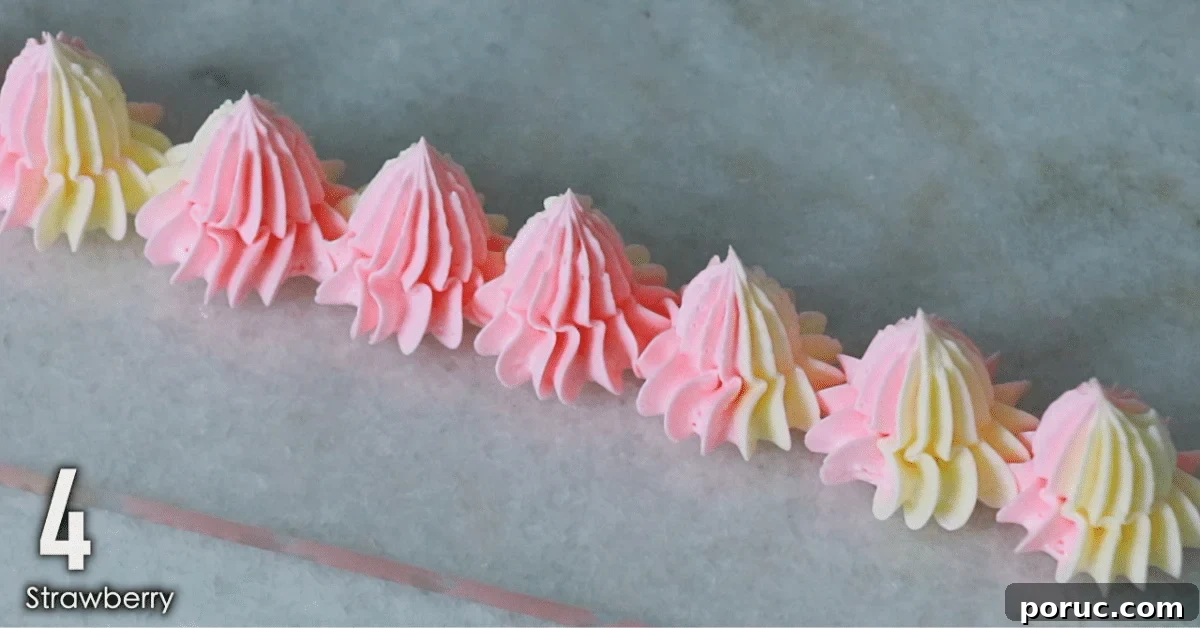
Set the tip low and apply light pressure to create a flat base, then pipe a small drop on top for the strawberry shape.
5. Ruffles
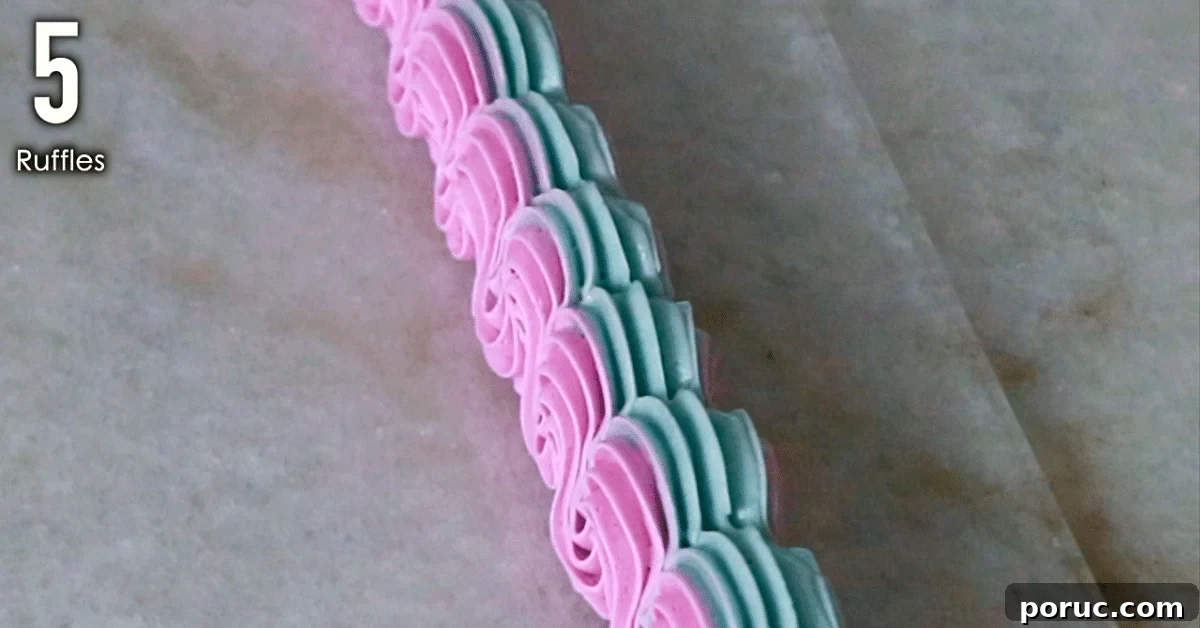
Move the tip up and down while piping to form a flowing ruffle border. A petal tip makes finer ruffles.
6. Braid
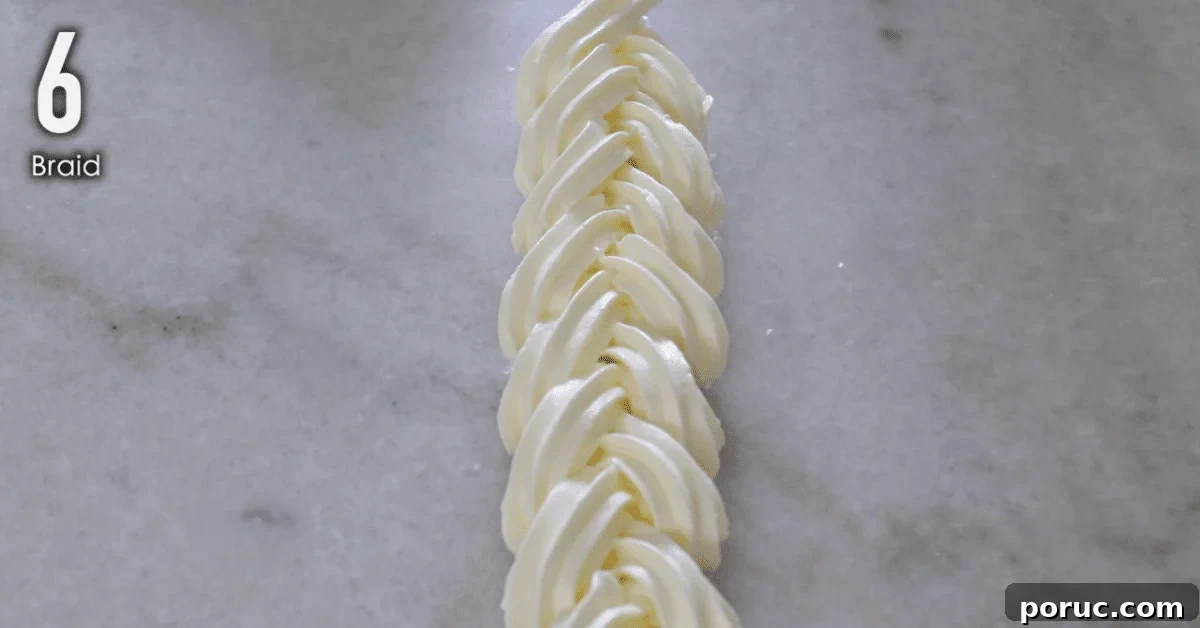
Pipe short diagonal lines that overlap to create a braided pattern. Lining several braids together gives a knitted appearance.
7. Bumps
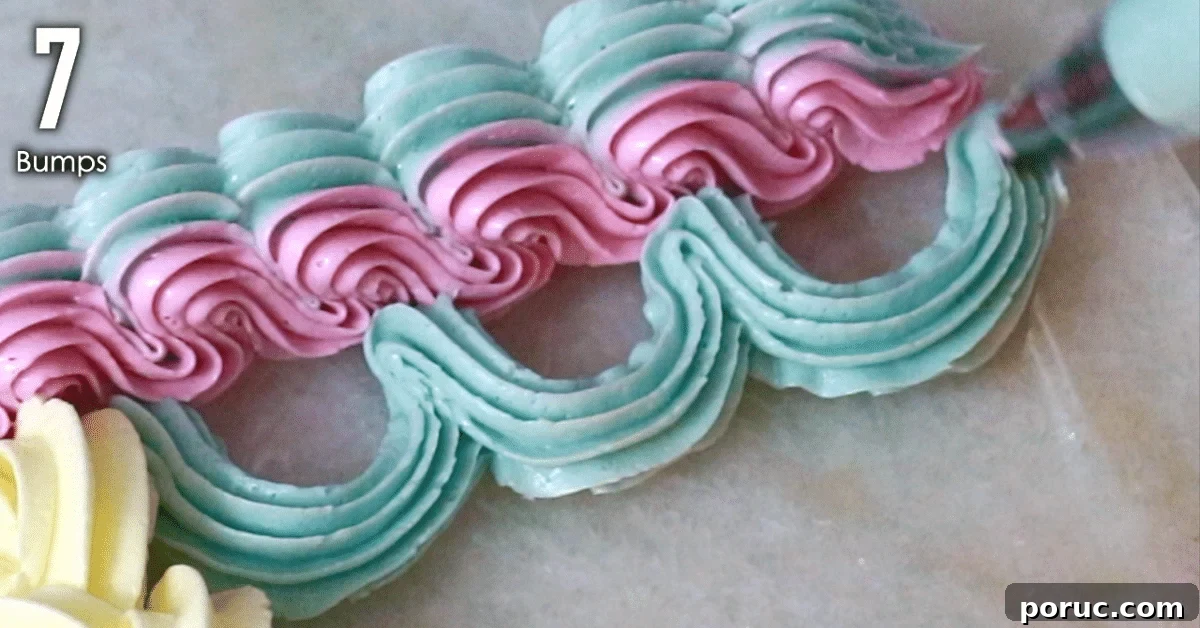
Use small star tips for tiny, repeated bumps—classic for traditional wedding cake borders and textured details.
8. Accordion
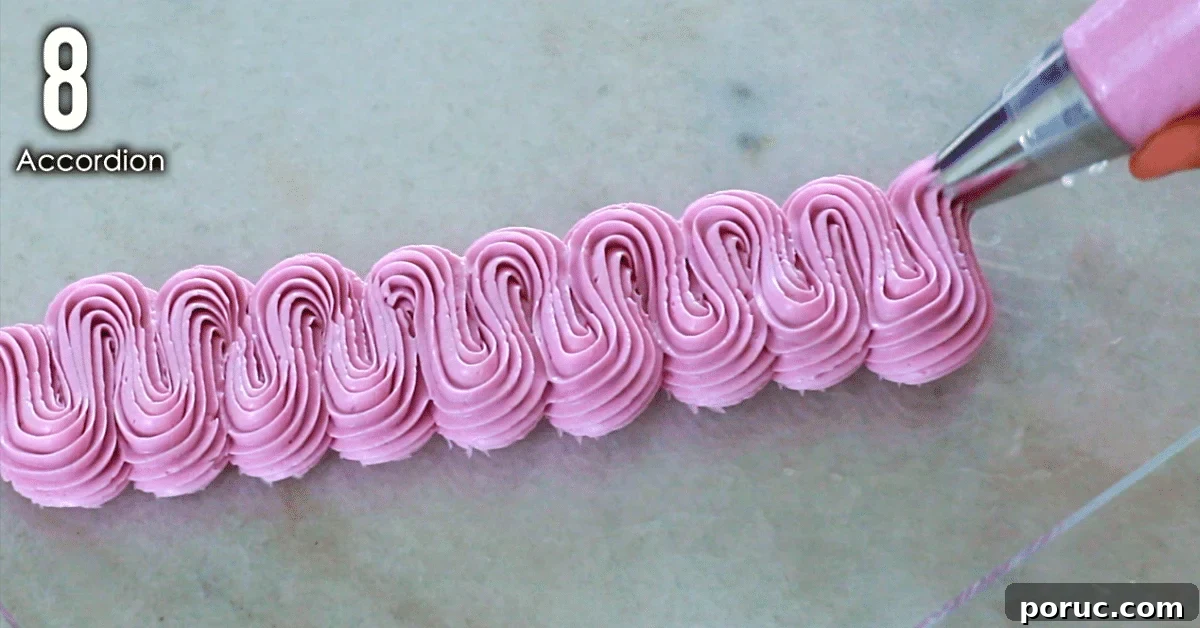
Pipe right and left in alternating motions to fill a surface with ruffled texture. Try a petal tip for more delicate folds.
9. 3 petals
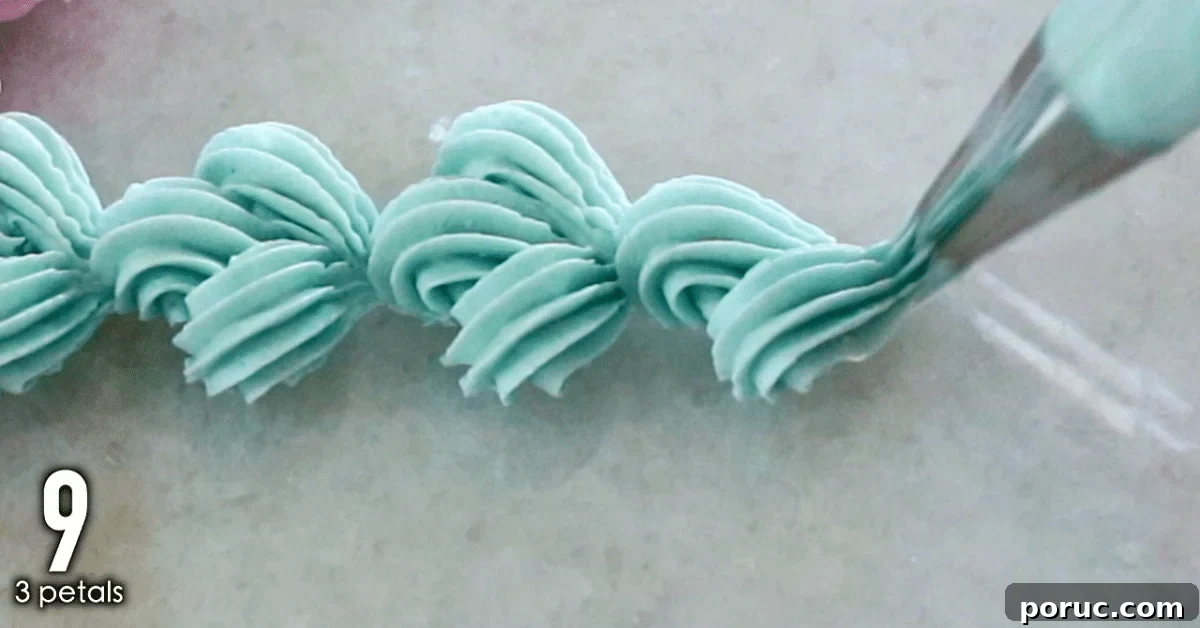
Pipe three adjacent petals and repeat to form an elegant border.
10. Spirals
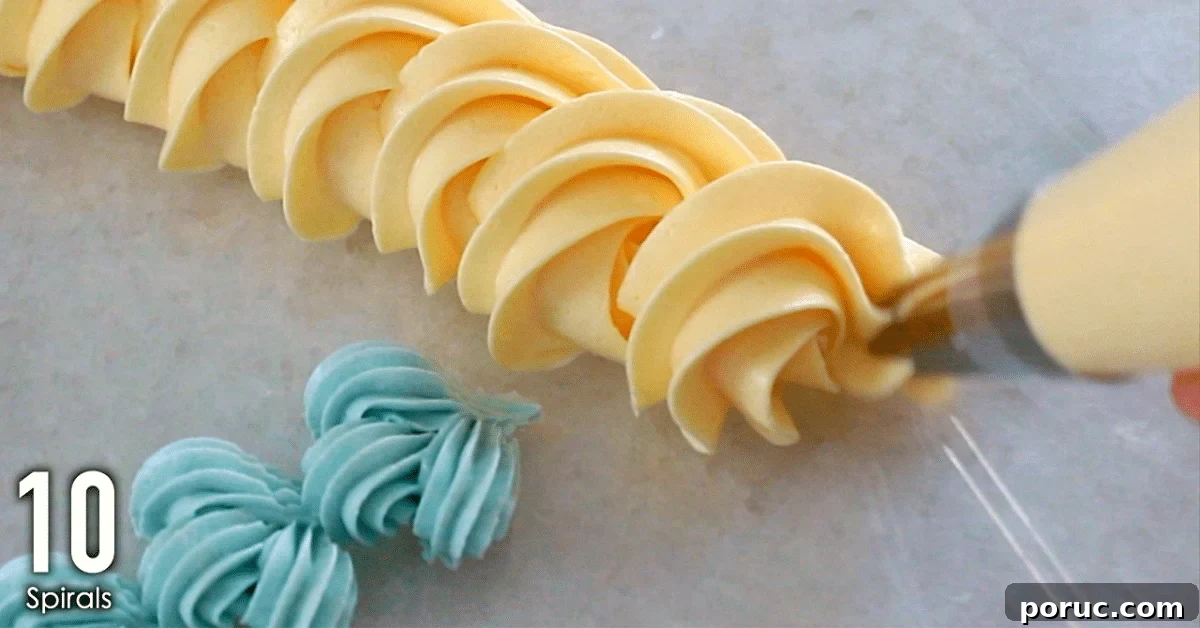
Rotate while pulling the tip back to form uniform spirals. Consistency in size makes this pattern visually pleasing.
11. Spikes
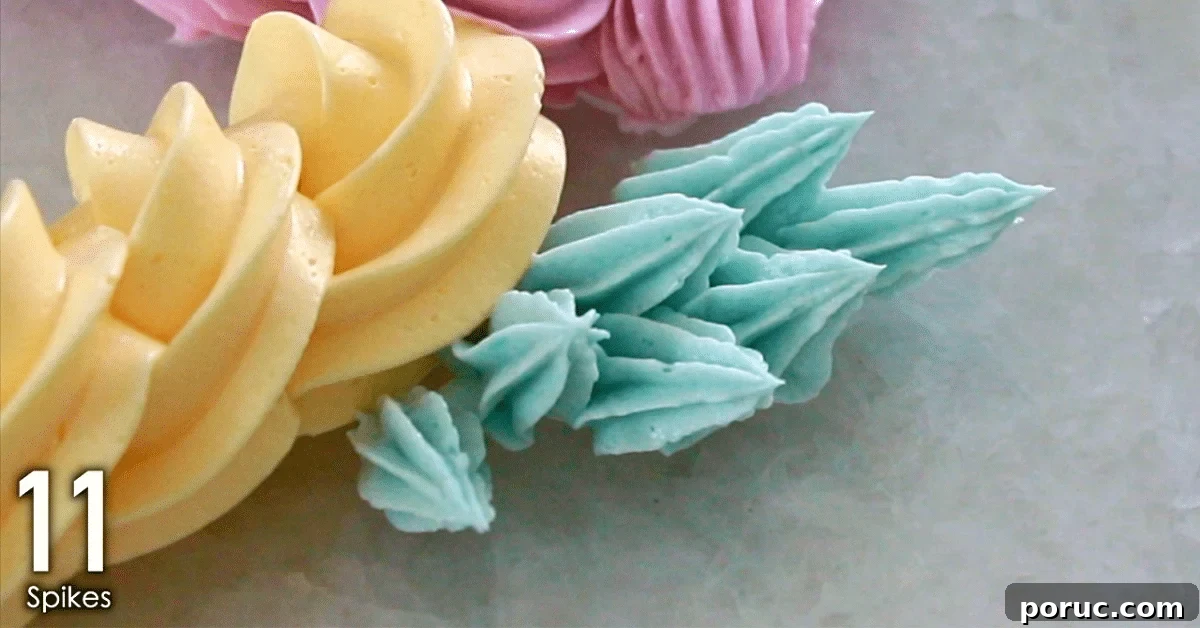
Pipe many elongated drops to form spikes—great for depicting bushes, fur, or dynamic accents.
12. Triple spirals
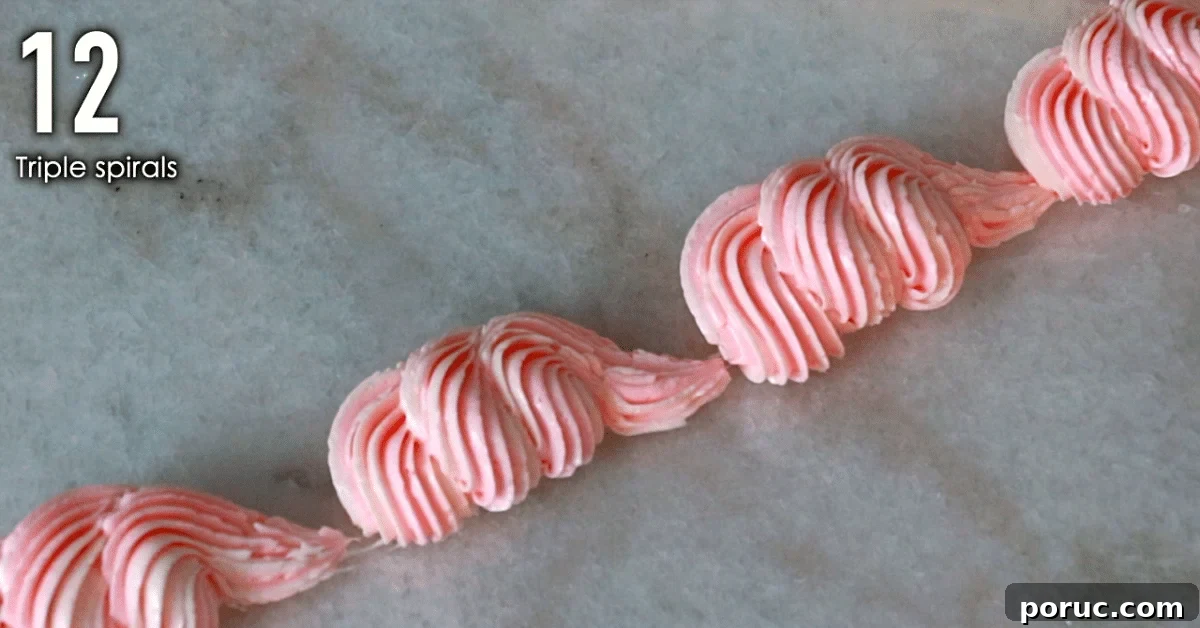
Use the swirl movement but move upward as you pipe to create a soft-serve or ice-cream-like stack.
13. Lines
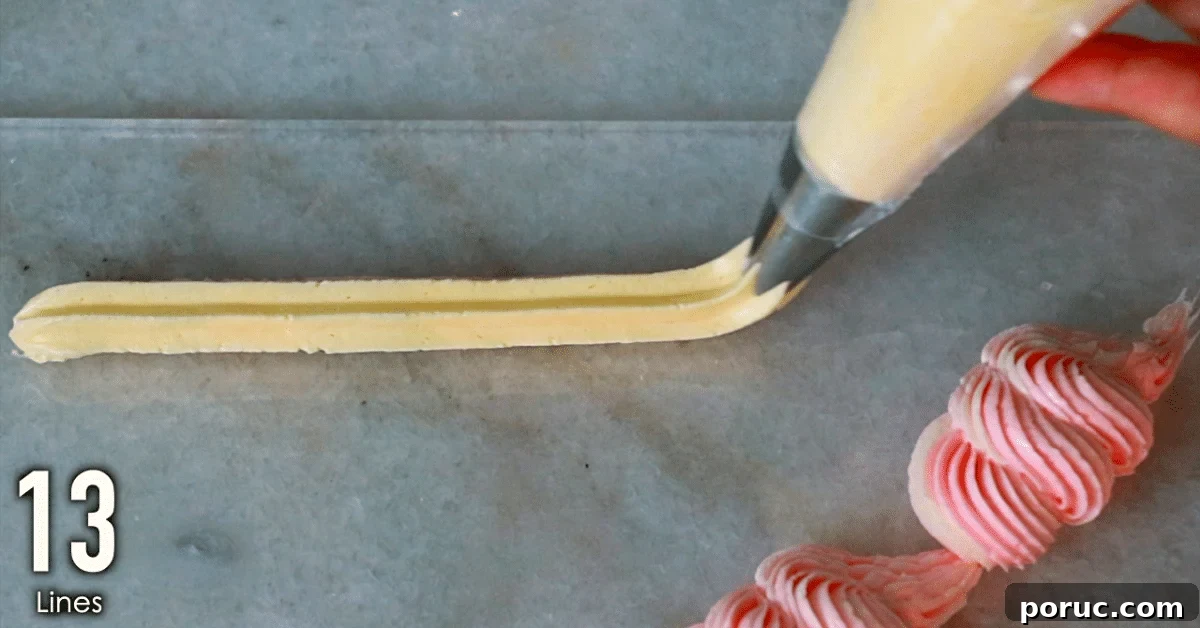
Keep the tip lifted slightly off the surface and draw lines. Smaller tips yield finer, more intricate lines.
14. Ammonite
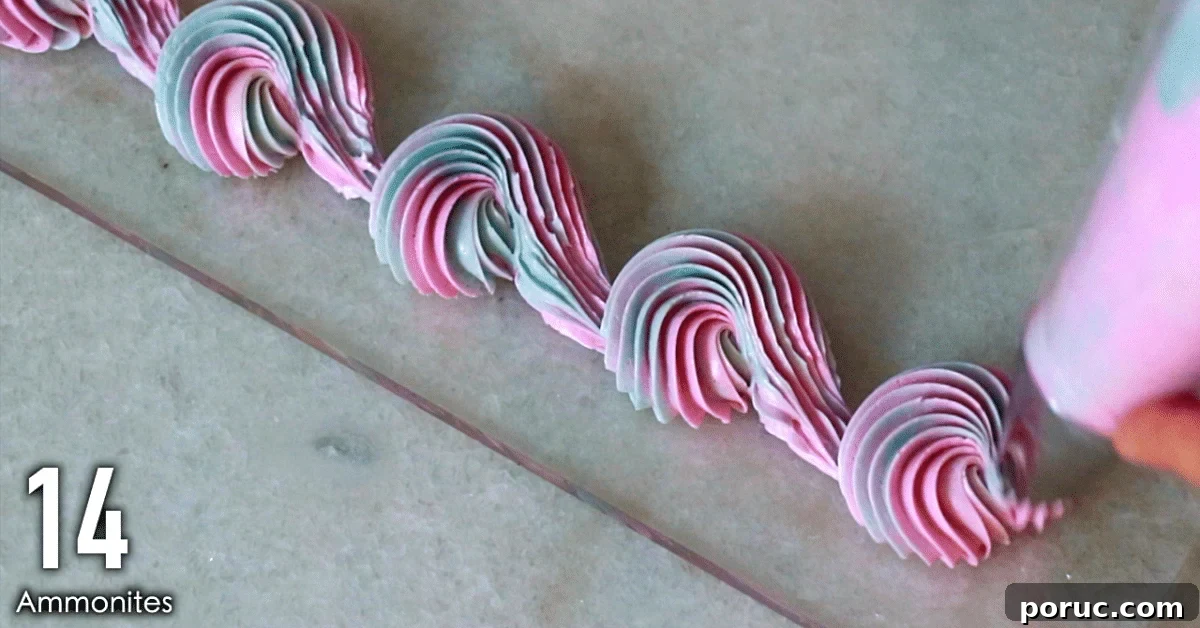
Similar to a basic swirl, but fade the motion backward instead of curling into the center for a different shell-like effect.
15. Dramatic decor
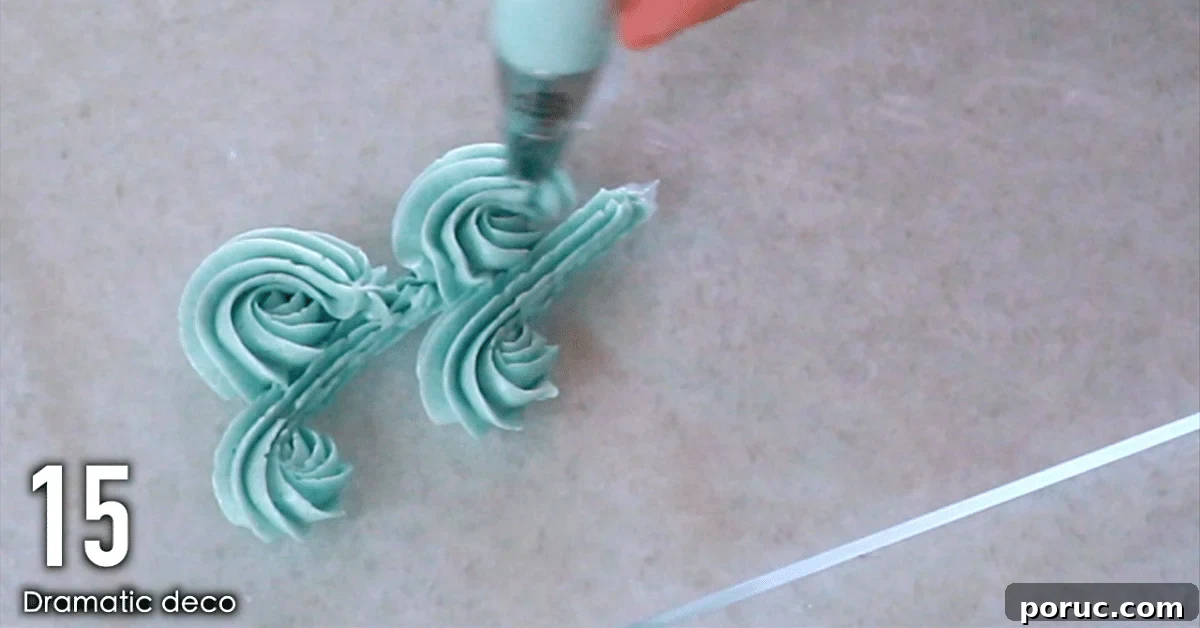
Combine a longer swirl with a basic swirl to create a dramatic repeating border.
16. Wiggly ruffles
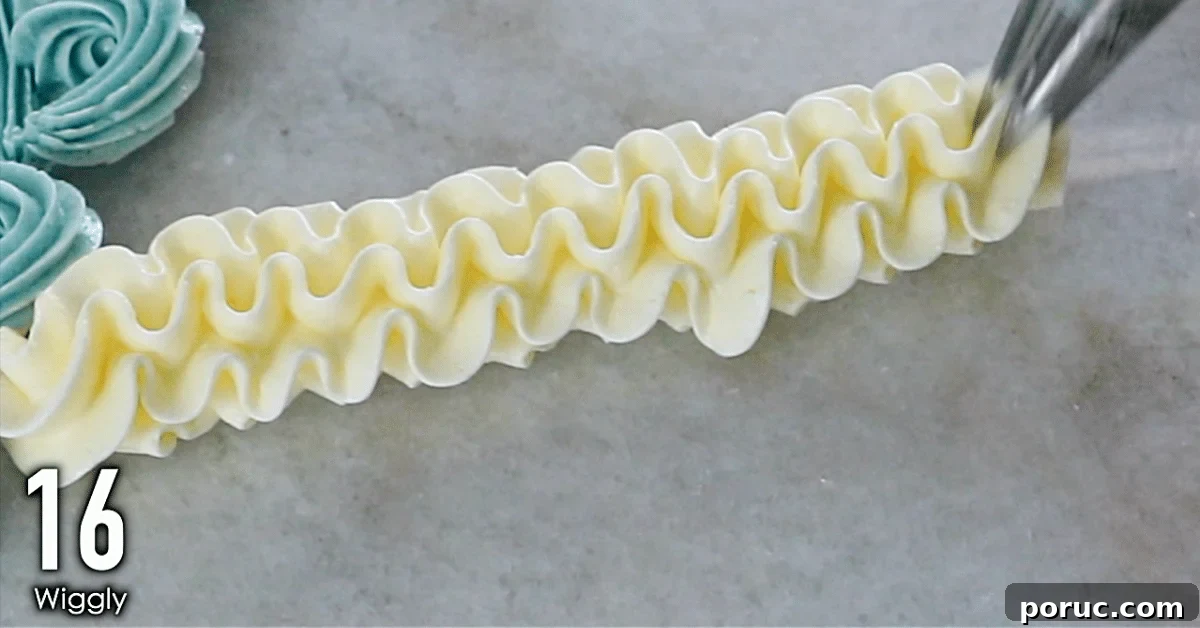
Move rapidly left and right while piping to produce playful wavy ruffles—quick and festive.
17. Drops 45 degrees
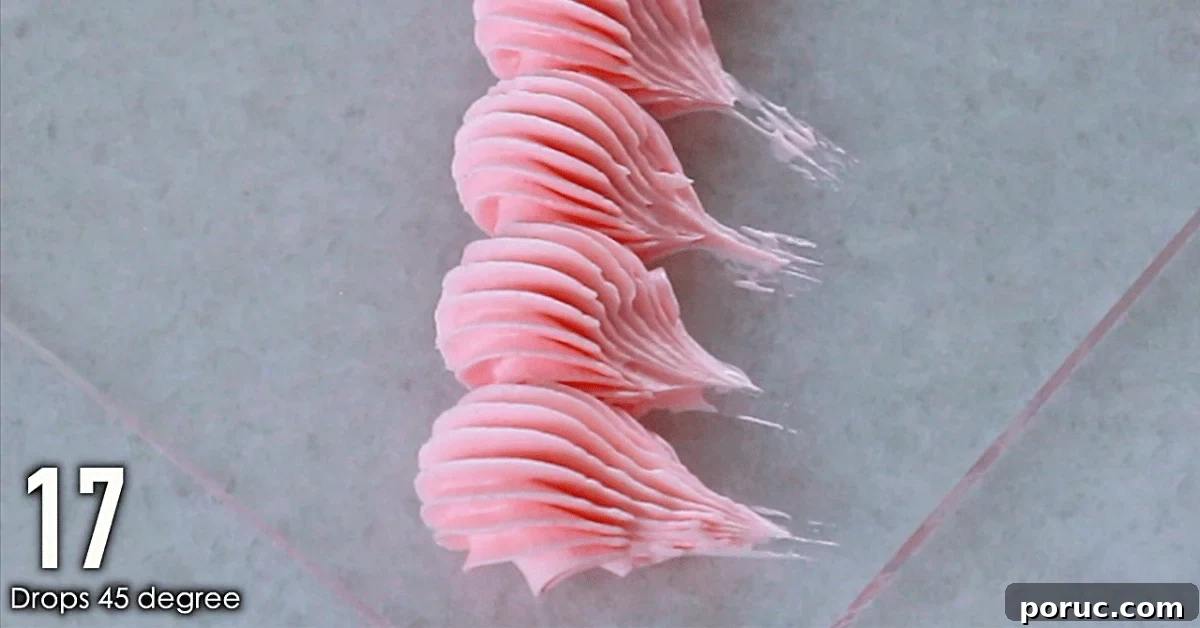
Angle the bag at 45 degrees when piping drops to create elongated shapes and directional accents.
18. Whip
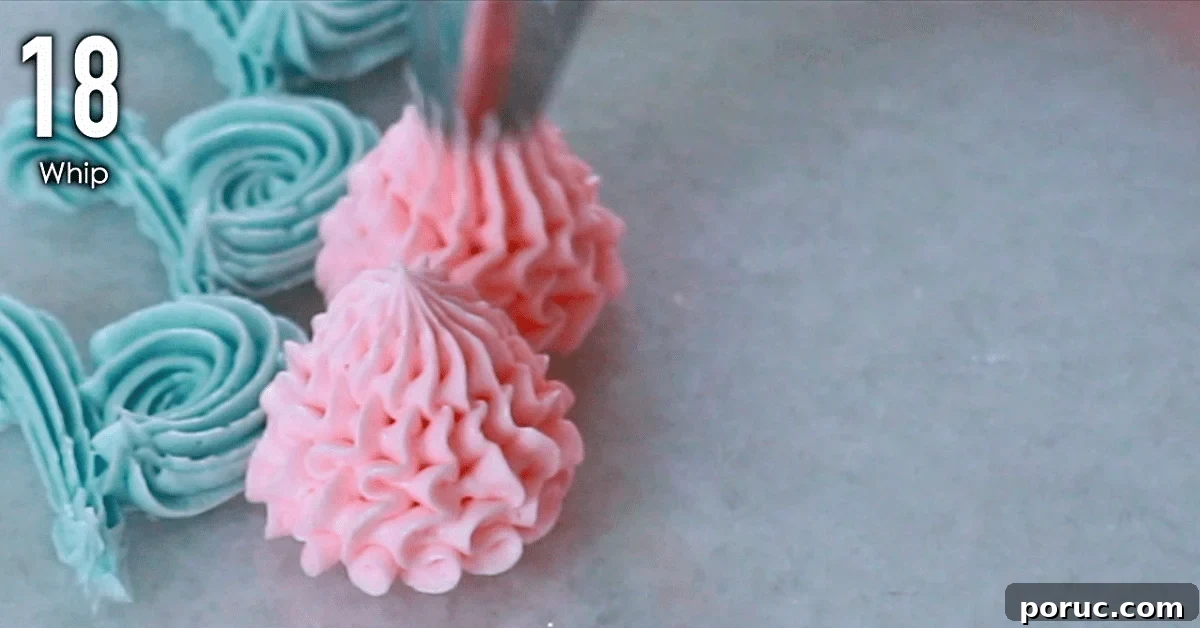
Move the tip up and down quickly to mimic the look of a whipped spray—great for texture.
19. Low waves
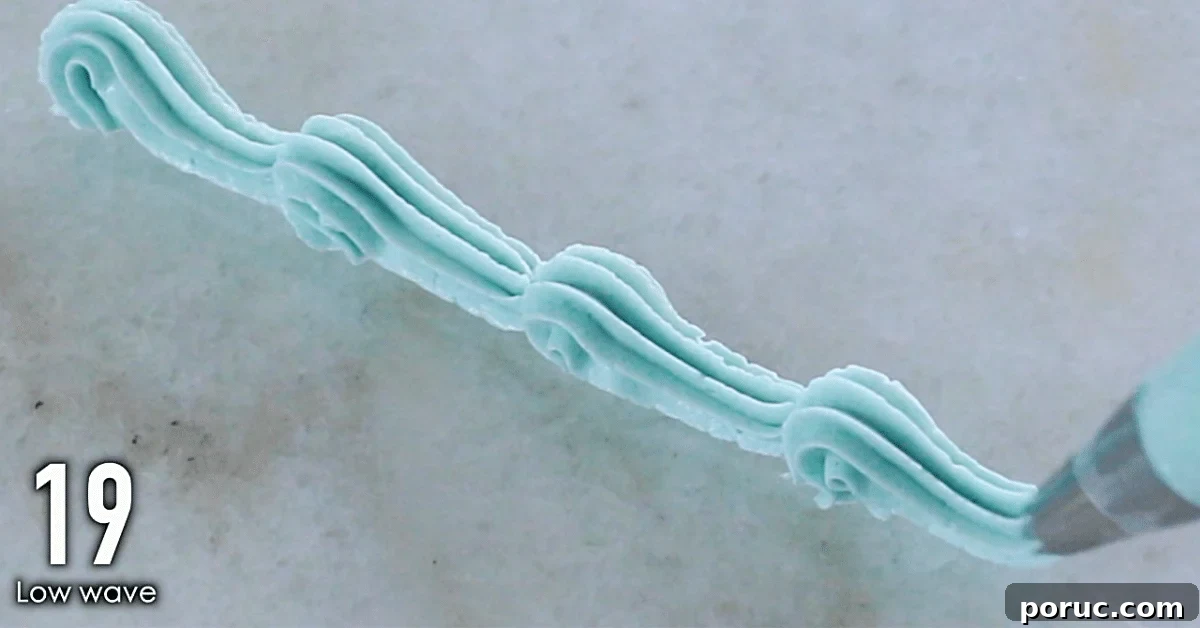
Lift up then pull back to form gentle wave shapes; adjust length to suit your design.
20. Triple shells
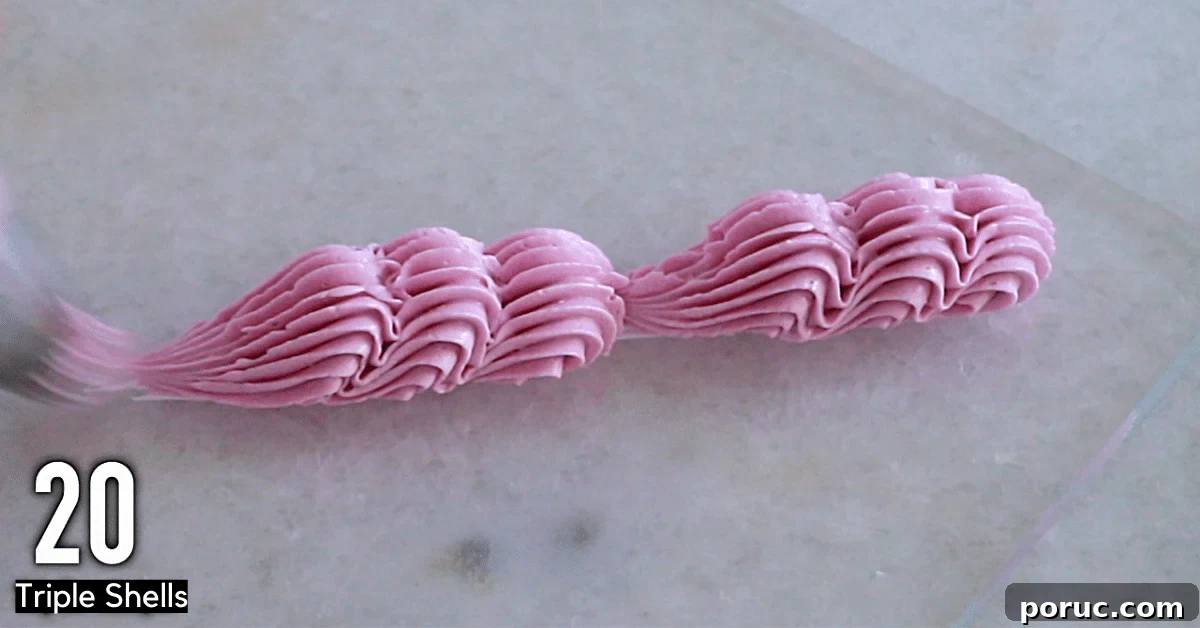
A blend of shell and ruffle techniques where three shells sit close together for a layered effect.
21. Drop + Shell
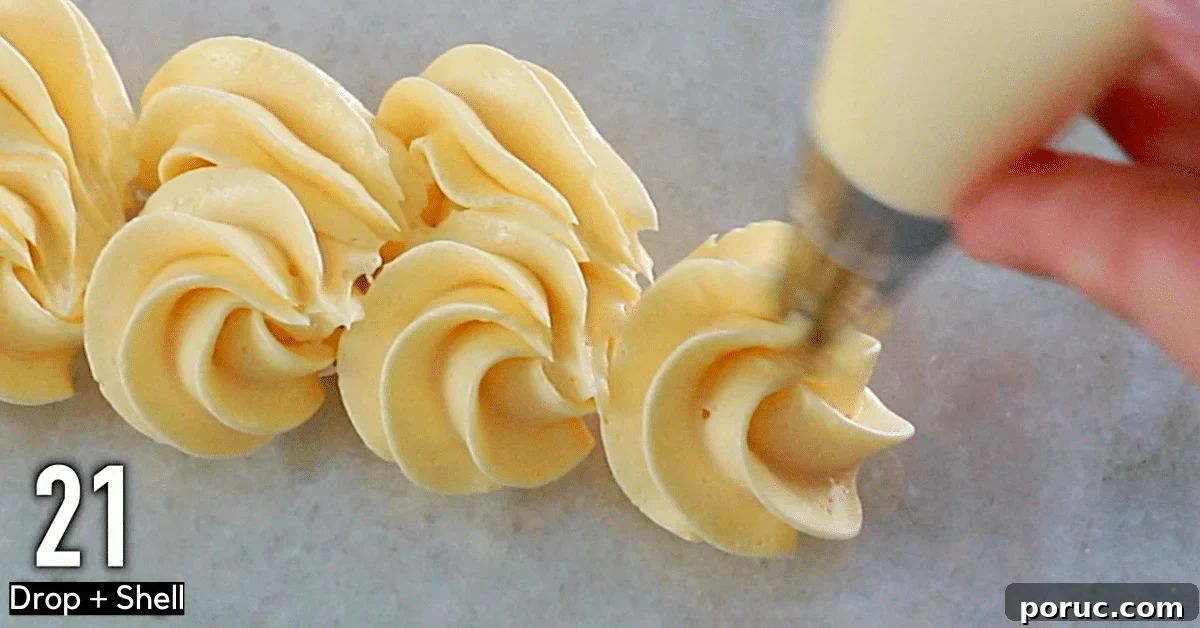
Combine a drop and a shell side by side to form an interesting paired motif.
22. Pull-out star
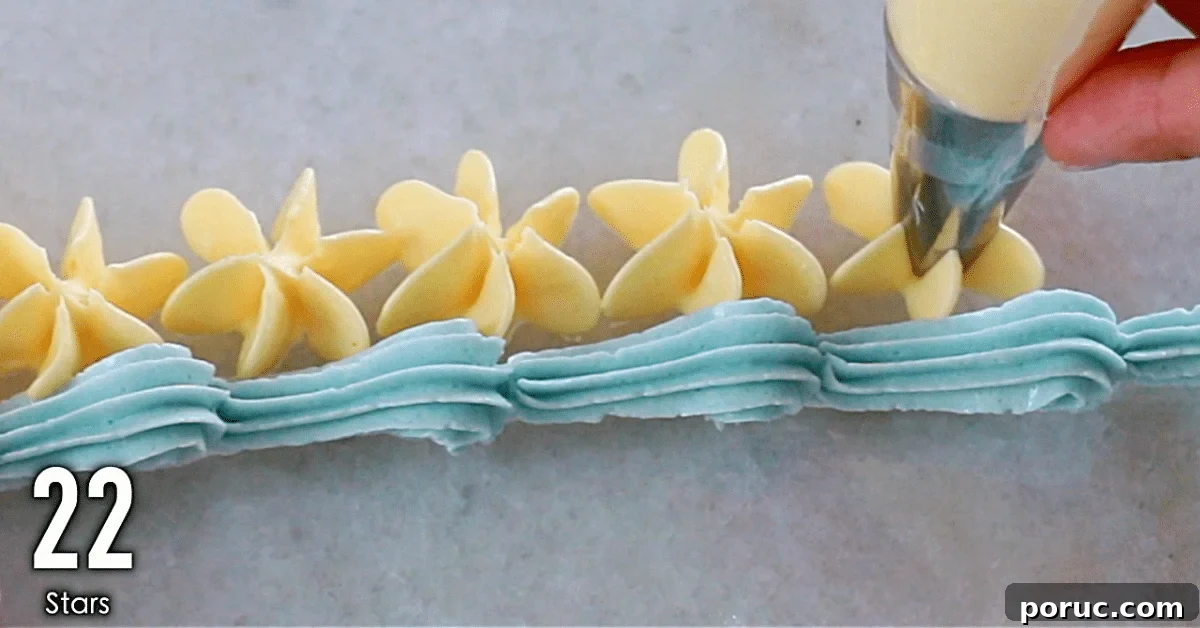
Hold the tip very close to the surface and squeeze, then pull outward to create a flat, star-like accent.
23. Ammonites, 2-sided
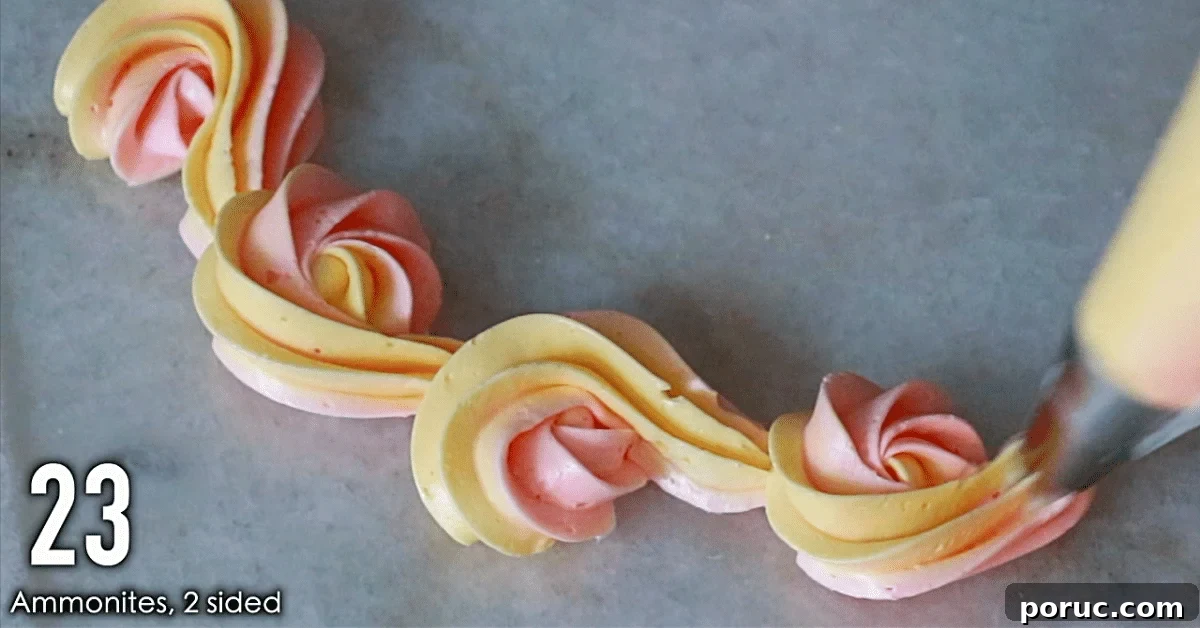
Pipe ammonite shapes from opposite sides and repeat for an elegant, mirrored pattern.
24. Dramatic Waves
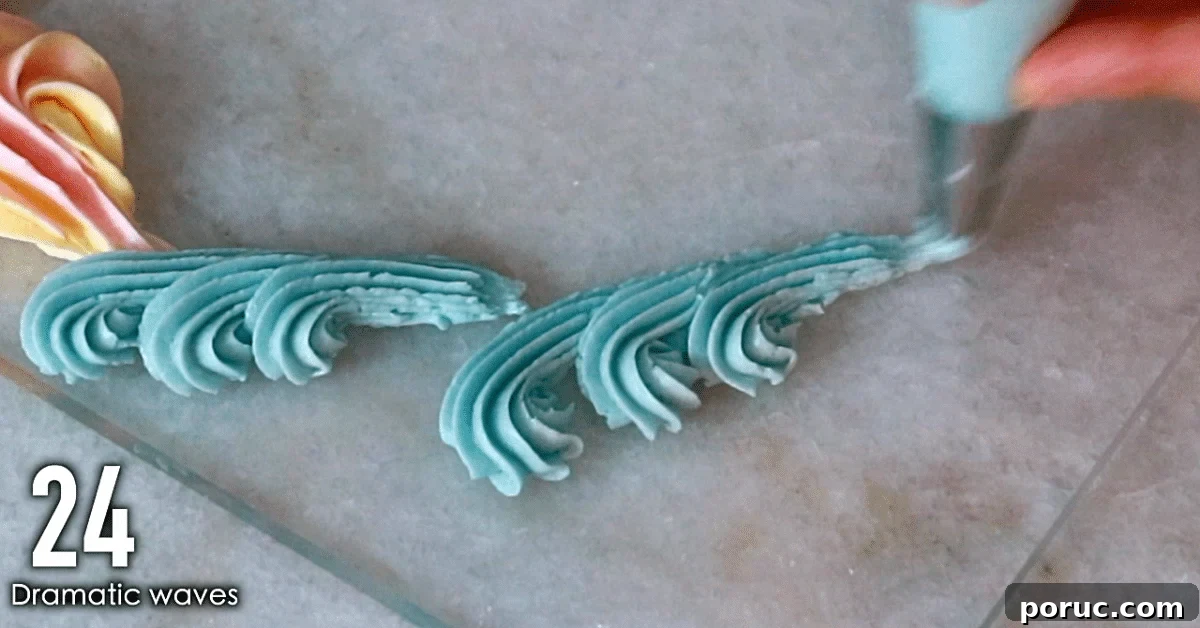
Group three long swirls closely to form a bold wave; repeat in rows along cake sides for a classic look.
25. Shell + Spoon
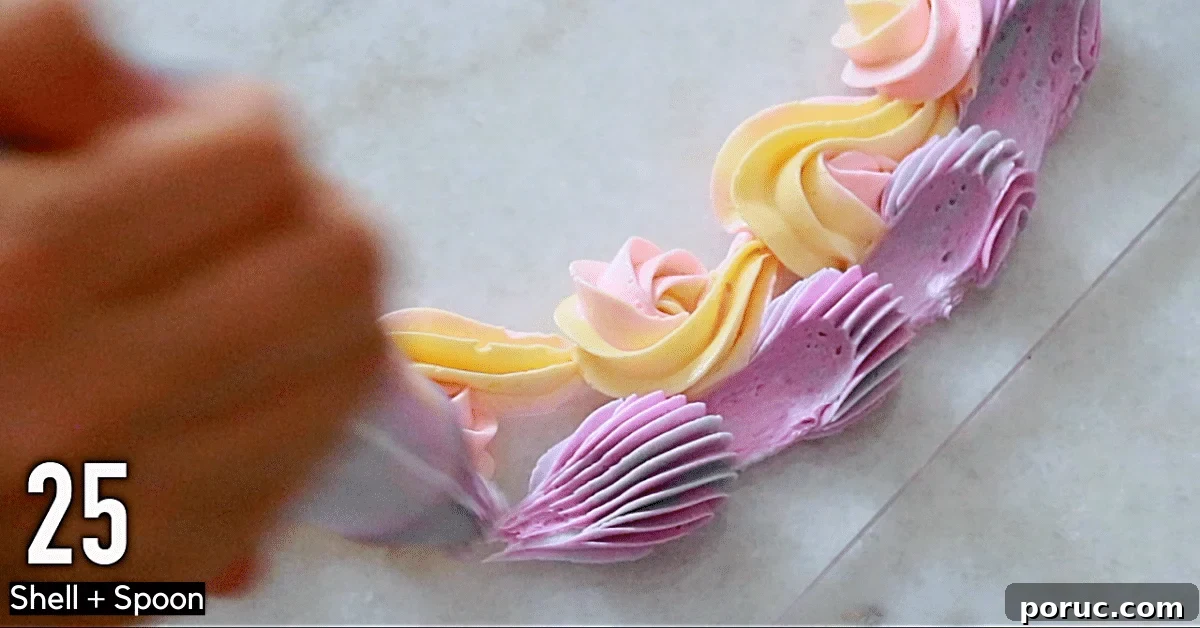
Pipe a drop then scrape down part of it with a spoon or small offset spatula to create pulled dots and unique shapes.
26. Flowers
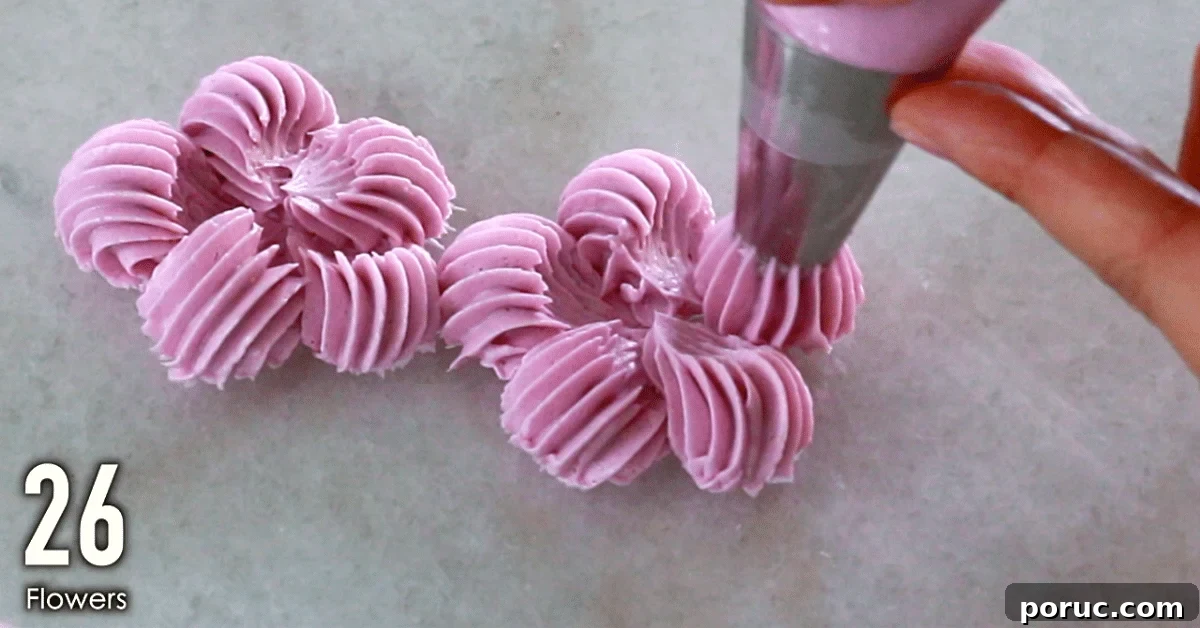
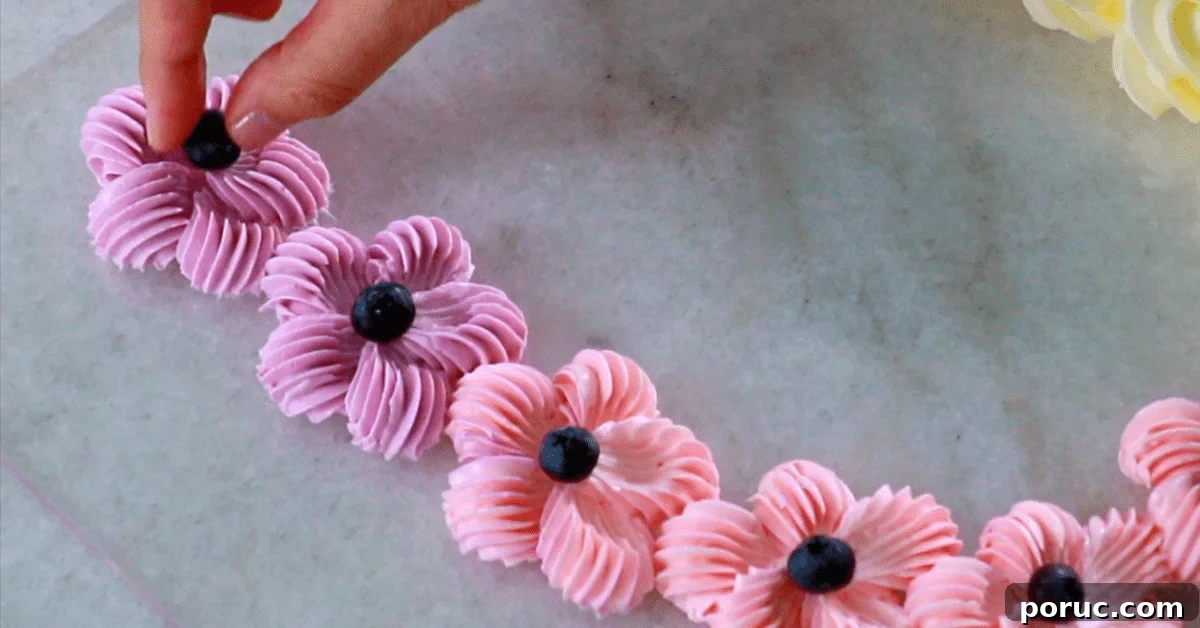
Use shell motions to form petals around a center dot for simple piped flowers. Add a dot in the middle for definition.
27. Double swirls
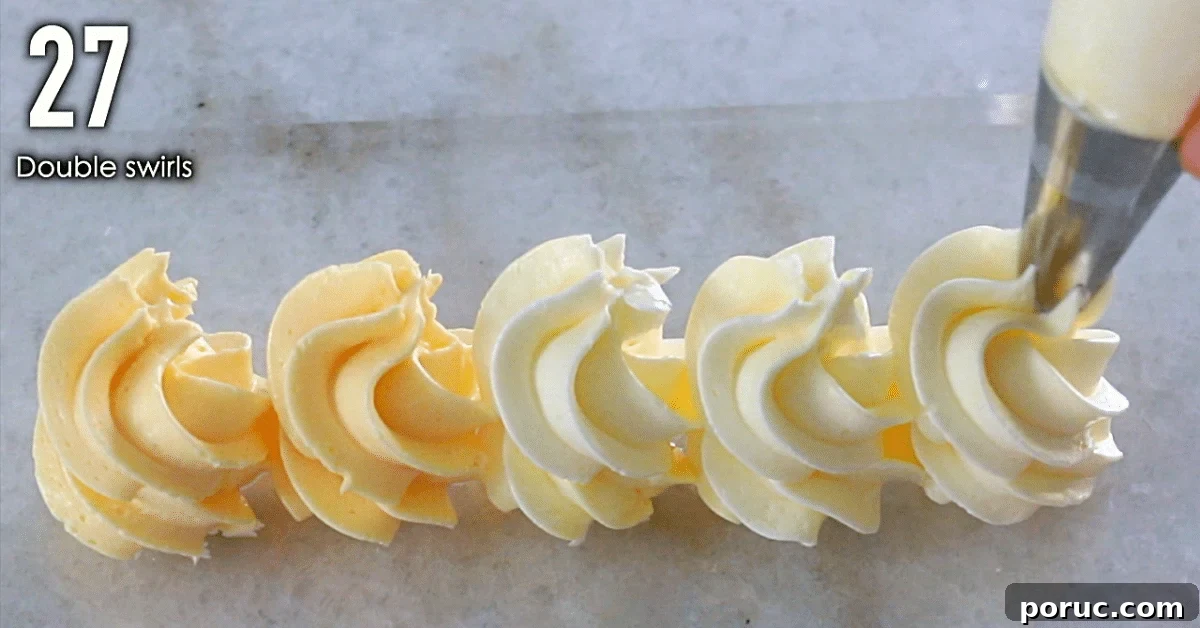
An advanced swirl—move upward while spiraling to form tall, elegant swirls often used on cupcakes.
28. Basketweave
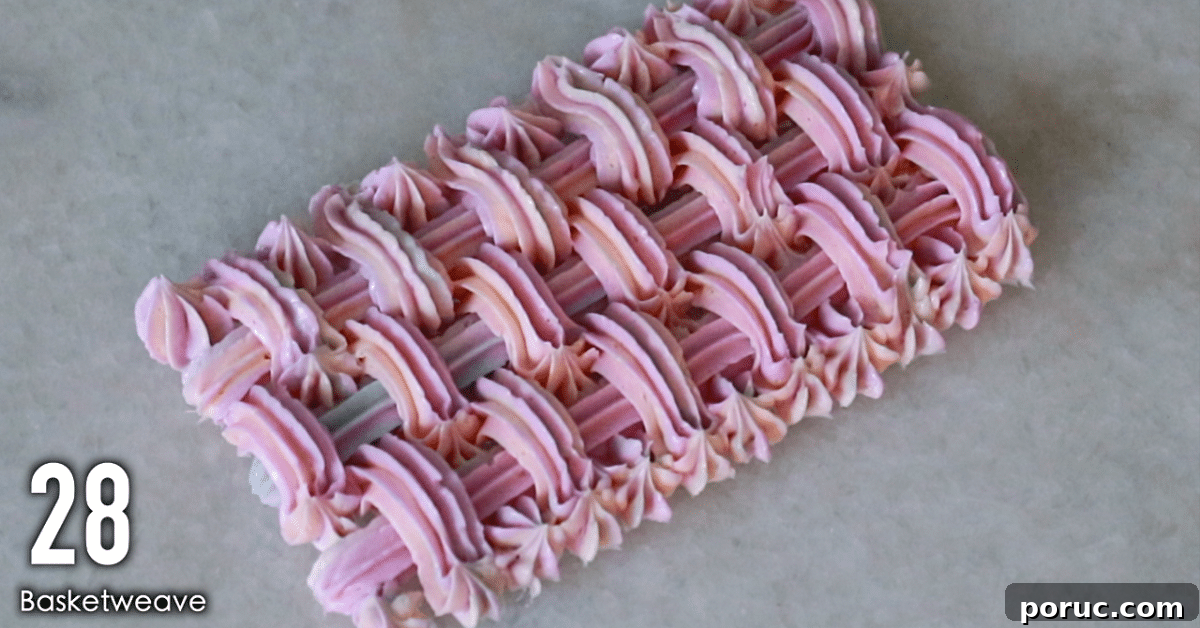
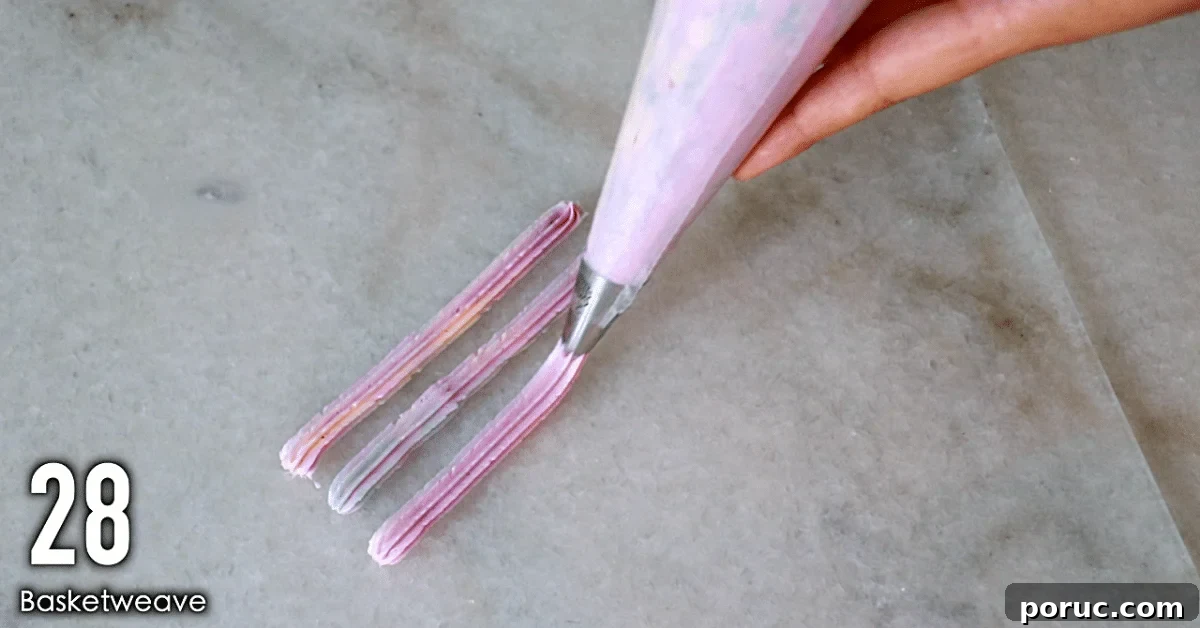
Pipe parallel straight lines, then add short vertical lines at even intervals to form the woven look.
29. Triple swirls
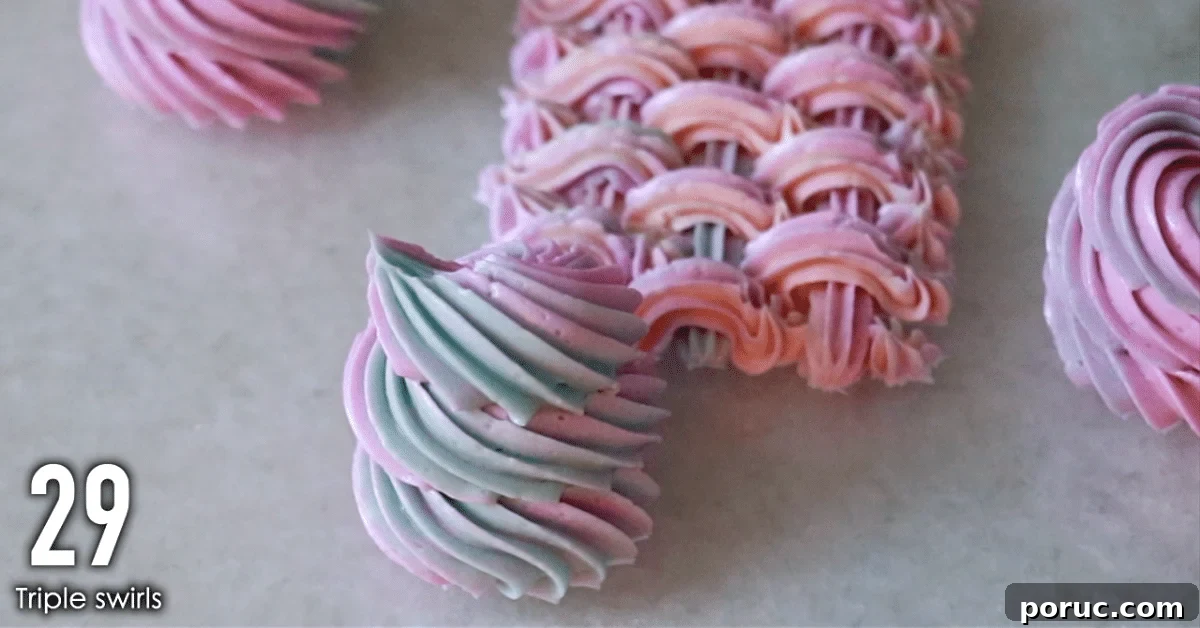
A triple-height version of the basic swirl—pipe multiple layers upward while keeping balance to avoid collapse.
30. Rosettes
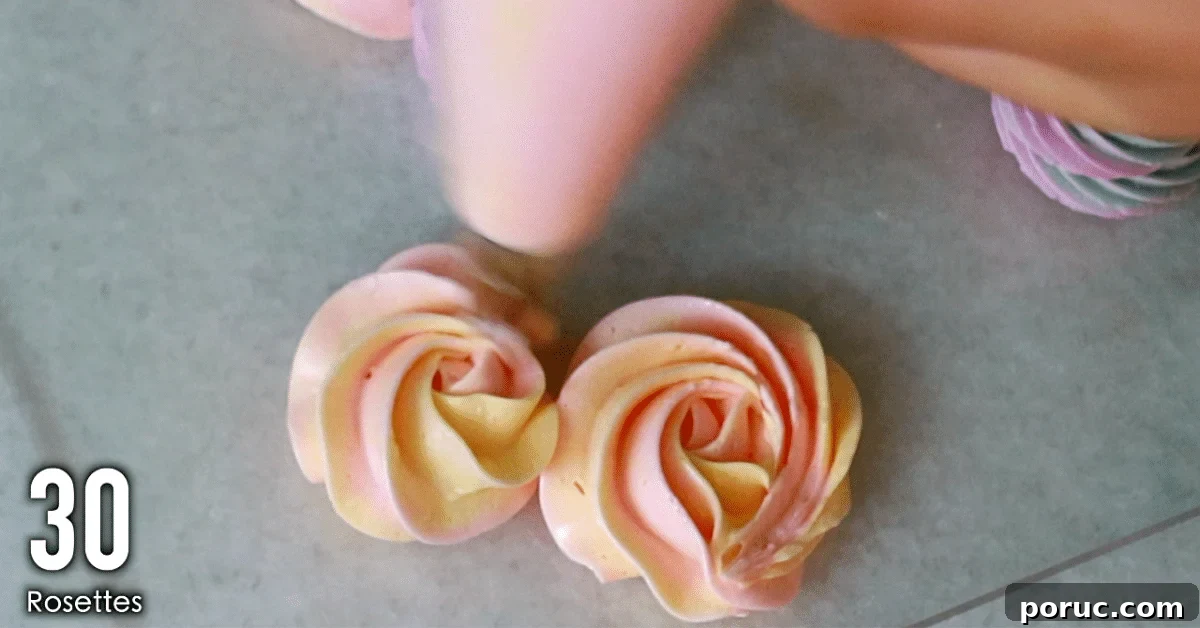
Pipe a flat spiral to create a rosette. Different tips produce varied petal textures—experiment to find your favorite.
Combine The Piping Techniques!
Mixing different piping methods creates appealing textures and unique finishes. Combine shells, swirls, drops, and lines to decorate cakes, cupcakes, plated desserts, or cookies.
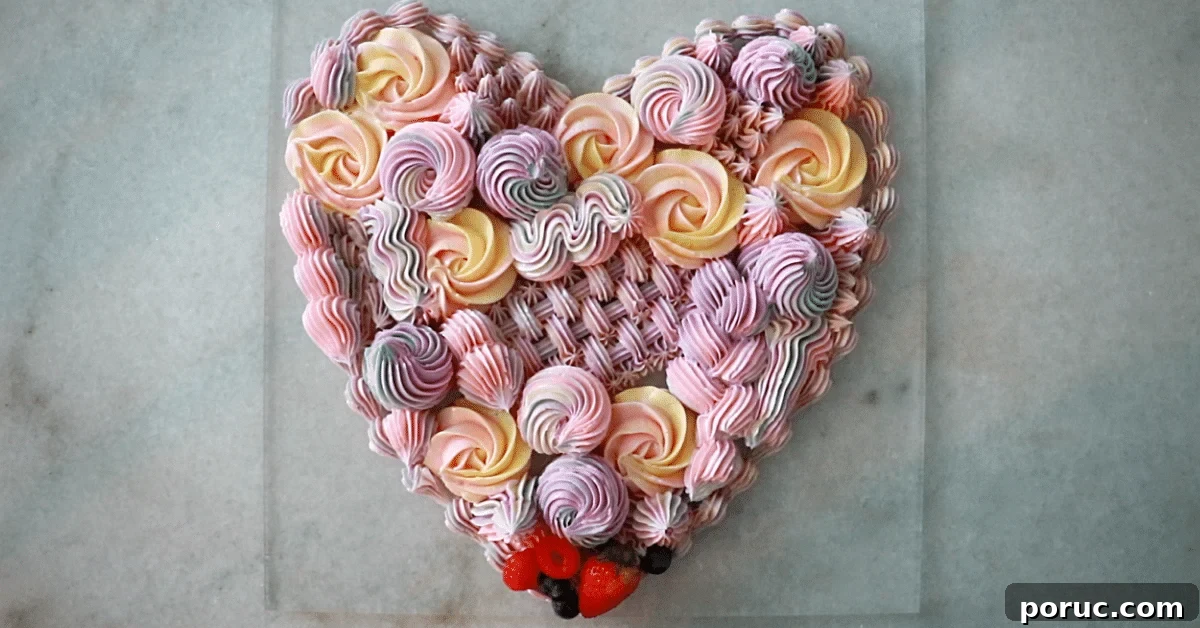
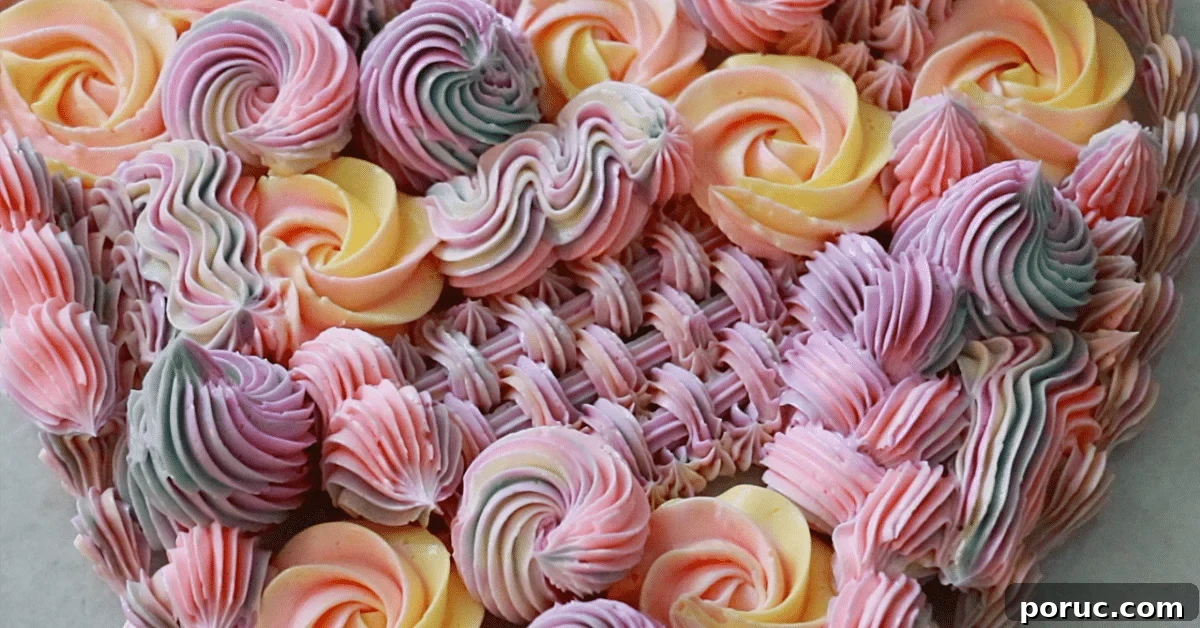
Share what you created using these techniques—I love seeing how bakers apply them to real events and treats.
Frequently Asked Questions
About Piping Tips
Popular tips vary by region and trend. In many places, 1M and 2D are widely used. French star tips like 6B are favored for their fine, detailed texture. Choose tips you enjoy working with for your desired effect.
Yes. Many of these patterns translate well to round tips—expect subtle differences in texture and edge definition.
About Buttercream:
Swiss, Italian, and American buttercreams are commonly used for piping due to their stability. Swiss buttercream is often preferred for fine, detailed work because of its smooth texture and reliable stability.
Gel or paste food colorings are recommended because they provide vibrant color without significantly thinning the frosting.