
Chances are you’ve been seeing or hearing a lot about collagen recently. Whether you’ve tried it or not, you’ve likely seen collagen products advertised or displayed on grocery shelves. With the increased attention comes questions: is collagen worth the expense, and are the claimed benefits real?
Read on to learn what collagen is, how it works in the body, and practical reasons you might consider incorporating it into your routine.
What is Collagen?
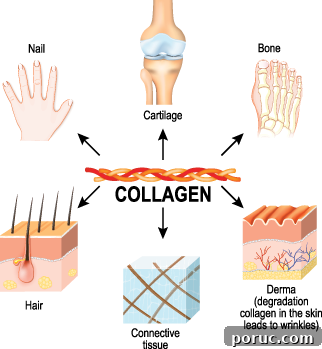
Collagen is one of the most abundant proteins in the body and a primary component of connective tissue, including tendons, cartilage, and ligaments. It also helps form the structure of skin and the lining of the digestive tract.
Put simply, collagen acts like a glue that provides support and helps hold the body’s structures together.
Collagen is considered an incomplete protein because it lacks the amino acid tryptophan. That is generally not a problem if you eat a variety of protein-containing foods throughout the day, which provides all essential amino acids.
What are the Benefits of Collagen?
There are multiple types of collagen with different roles in the body. Because collagen is widely present throughout tissues, it has been associated with various potential health benefits, including:
- Skin health. Collagen is critical for skin structure and can support skin elasticity, helping reduce the appearance of premature wrinkles and other signs of aging.
- Wound healing. Collagen helps repair skin and soft tissue and has been used to support healing of wounds, including pressure ulcers.
- Joint health. As a component of connective tissues, collagen supports flexibility and resilience in joints, tendons, ligaments, and muscles, which can help protect against injury and support conditions such as arthritis.
- Gut health. Collagen contributes to the structure of intestinal villi and has been used in approaches to support digestive health. It may help maintain the gut lining and reduce inflammation that contributes to certain digestive symptoms.
- Bone support. Collagen provides structure to bone and may help support bone health and bone mineral density when combined with an overall bone-supportive diet and lifestyle.
*Note: research on many collagen benefits is still evolving and more studies are needed to fully confirm effects.
How Can You Include Collagen in Your Diet?
Below are common dietary sources of collagen and nutrients that help stimulate its production in the body.
- Bone broth. Simmering bones for many hours releases collagen, minerals and amino acids like glycine. Bone broth can be prepared at home or purchased ready-made and is also available as bone broth protein powder.
- Collagen supplements. These are typically made from animal skin or fish and sold as collagen peptides. Peptides are shorter chains of amino acids that are easier for the body to absorb and use. They come in flavored or unflavored powders that mix into beverages and foods.
- Animal products. Collagen is concentrated in connective tissues, so slow-cooked, bone-in meats and other cuts containing connective tissue provide natural dietary collagen.
Try a slow-cooker homemade bone broth to boost collagen naturally
Key nutrients that support collagen production:
- Vitamin C. This vitamin is essential for collagen synthesis and acts as an antioxidant. Good sources include strawberries, citrus fruits, tomatoes, and bell peppers.
- Other antioxidants. Antioxidant-rich foods help protect collagen by reducing damage from free radicals. Examples include berries and green tea.
- Protein-rich foods. Adequate dietary protein supplies the amino acids needed to make collagen. Include fish, poultry, eggs, dairy, and lean red meats as part of a balanced diet.
What Increases Collagen Needs in the Body?
Collagen is present in everyone, but several factors can reduce collagen levels or increase the body’s need for it:
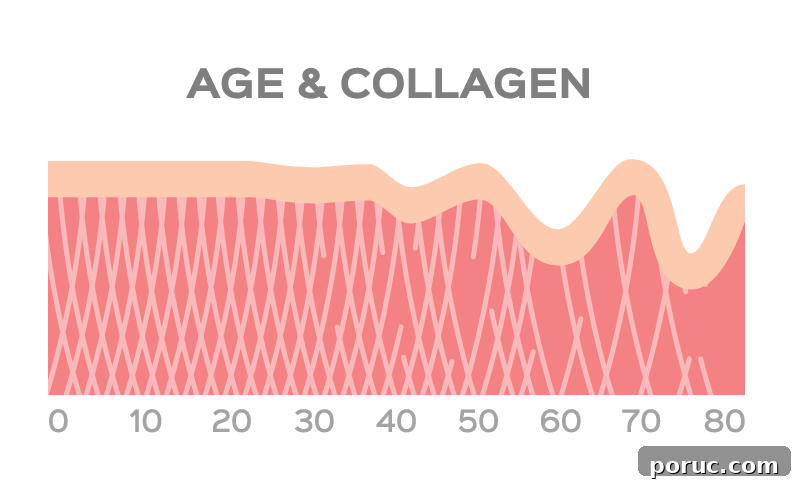
- Age. Natural collagen production declines with age, contributing to thinner skin, more wrinkles, reduced joint resilience, and less muscle flexibility.
- Poor diet. A diet low in high-quality protein and high in refined carbs and sugar can impair the body’s ability to produce collagen.
- Smoking. Smoking impairs collagen synthesis and can lead to prematurely aged skin and slower wound healing.
- Excess sun exposure. UV radiation can reduce collagen production and accelerate skin aging.
- Pregnancy. Pregnancy increases the demand for certain amino acids such as glycine, which are important for fetal growth and development.
In Summary
Collagen is not a miracle cure, but it offers several potential health benefits for skin, joints, gut, and bones. There are multiple ways to obtain collagen through food, broth, or supplements, and many nutrients support the body’s own collagen production. If you’re considering focusing more on collagen, discuss options with a trusted healthcare professional to determine what fits your health needs and lifestyle.