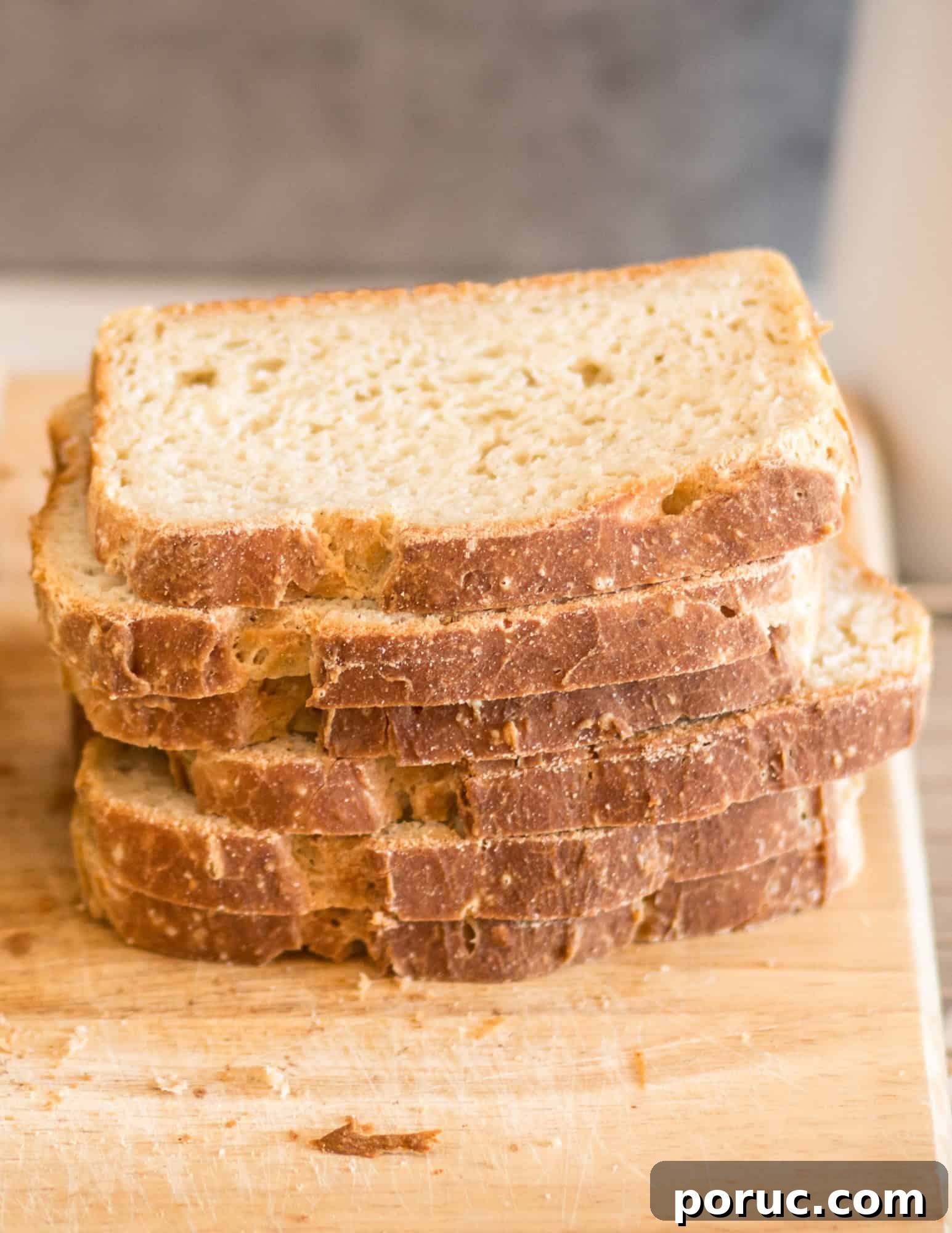
This easy gluten-free sourdough bread uses a homemade gluten-free sourdough starter and a custom blend of flours for a tender, tangy loaf that holds together for sandwiches, toasts, and French toast. It’s a no-knead recipe that proofs overnight and bakes with a satisfying crust and texture—nothing like gritty store-bought gluten-free loaves.
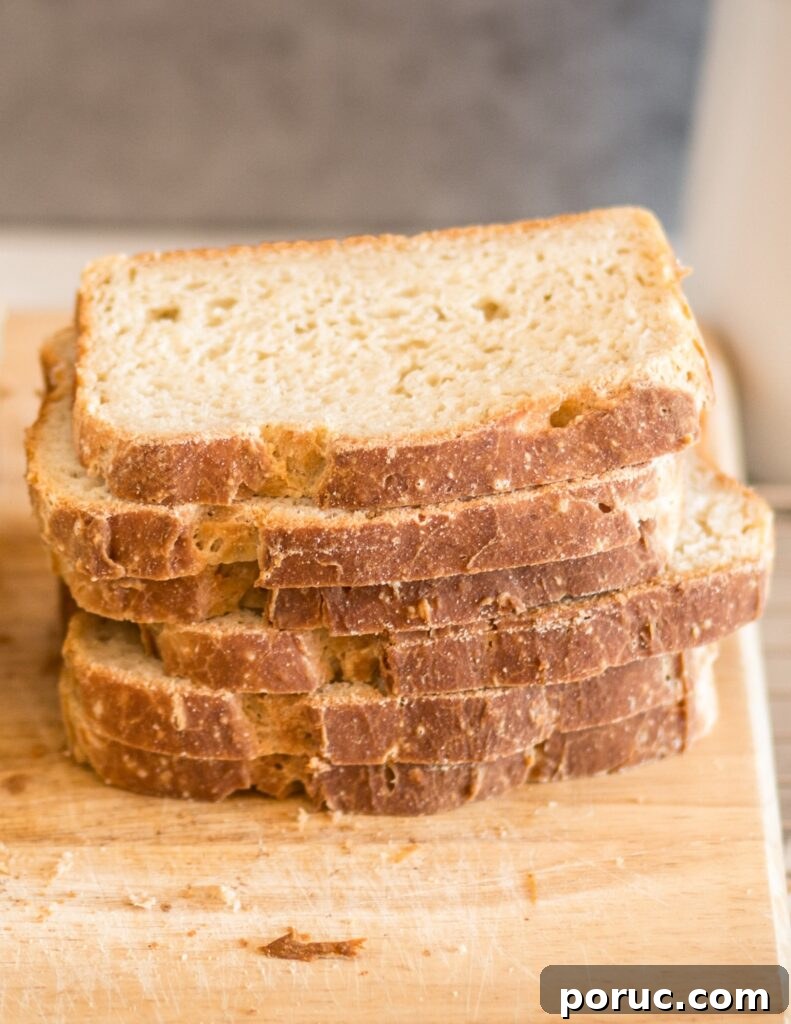
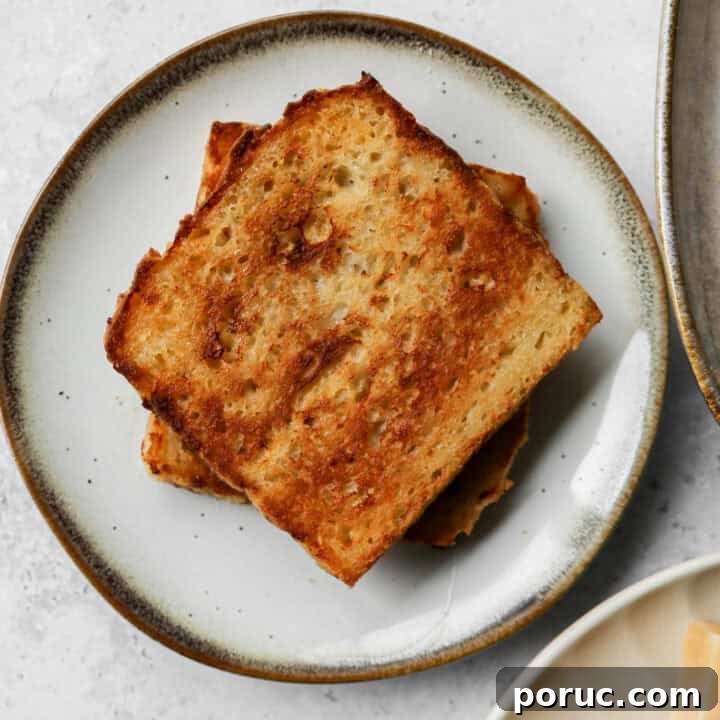
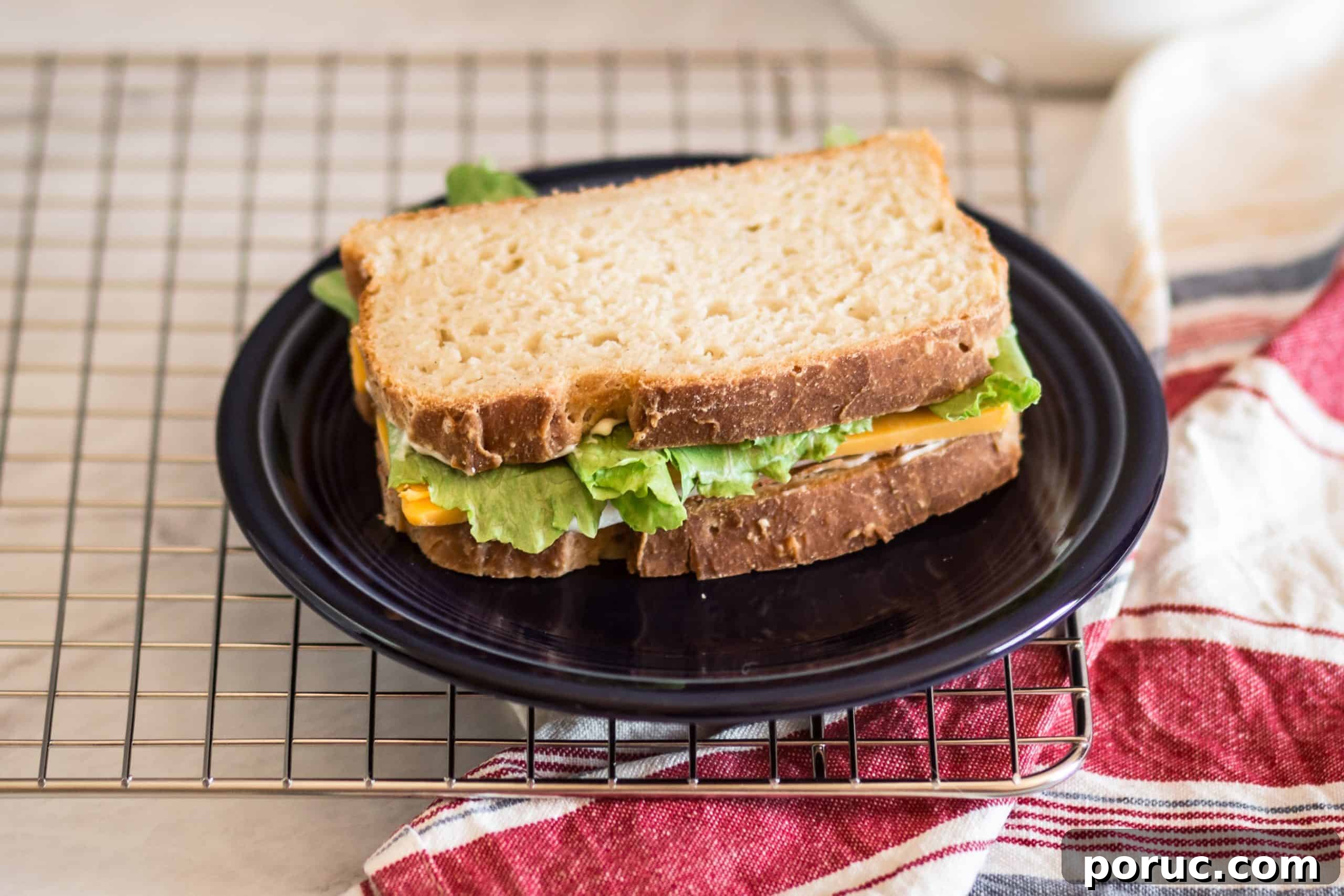
When I first went gluten free I struggled to find a bread that actually held together. Store-bought options were often gritty, fell apart, and were expensive. After testing many recipes I landed on this gluten-free sourdough loaf and it changed everything. It toasts well, makes excellent French toast, and reliably holds together for sandwiches. This is the loaf I bake every week and the one readers return to again and again.
With the starter you can also make croutons or a pizza crust using the same fermented base.
Ingredients
- 1 ½ cups gluten-free sourdough starter
- 3 large eggs
- 4 Tbsp unsalted butter, melted (or substitute)
- 1 ¼ cups milk (or dairy-free alternative)
- 2 Tbsp honey
- ¾ cup sweet sorghum flour
- ¾ cup tapioca flour
- ½ cup brown rice flour
- ½ cup potato starch
- 1 Tbsp xanthan gum
- 1 Tbsp baking powder
- 2 tsp sea salt
Instructions
- In the bowl of a stand mixer combine the gluten-free sourdough starter, eggs, melted butter, milk, and honey. Beat until fully blended into a wet mixture.
- Add the sweet sorghum flour, tapioca flour, brown rice flour, potato starch, xanthan gum, baking powder, and sea salt. Mix on medium for 3–4 minutes until well combined. The dough will be wet and sticky but cohesive.
- Grease a bread pan with coconut oil or another neutral oil.
- Pour the dough into the prepared pan and spread it evenly. Cover the pan with another bowl or a second pan and place it in a warm spot to proof for 6–8 hours. Many people prepare the dough the night before and let it proof overnight.
- Preheat the oven to 350°F (175°C).
- Bake the loaf for about 1 hour and 10 minutes, until the top is browned and a firm crust has formed.
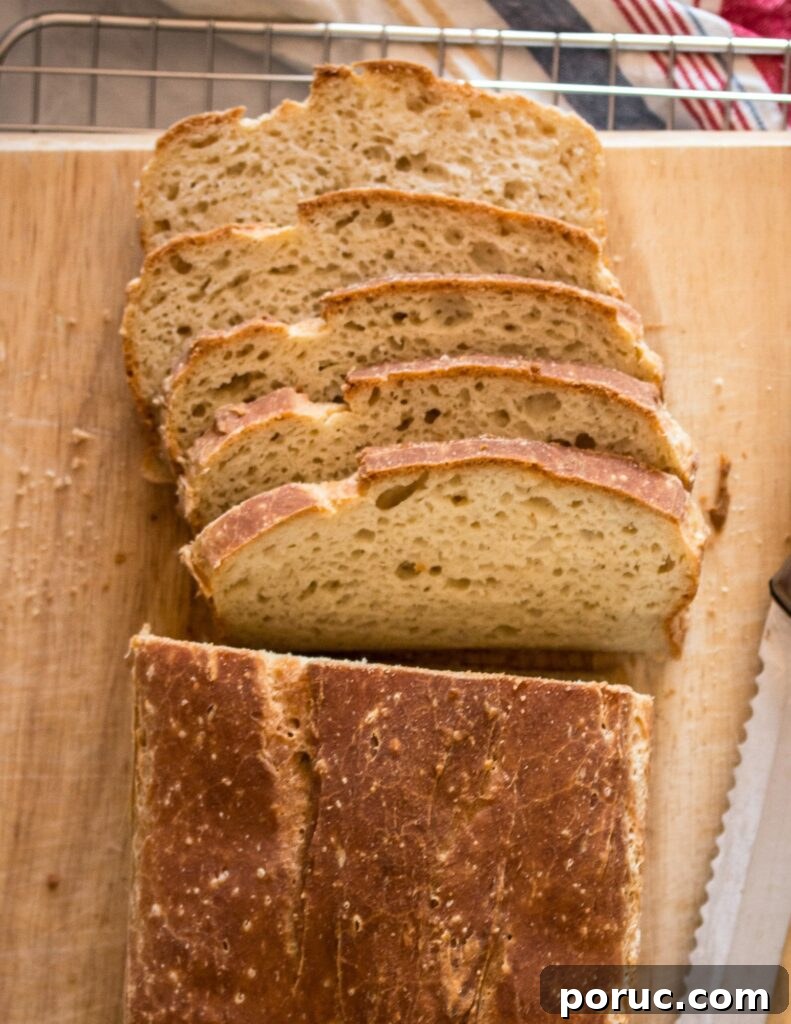
- Allow the bread to rest in the pan for 10 minutes, then turn it out onto a cooling rack. Let the loaf cool completely before slicing to ensure the best texture.
- Once completely cooled, store the bread in a sealed container at room temperature for up to five to seven days, or freeze for longer storage.
Supplies
- Stand mixer (or a large mixing bowl and strong whisk)
- 9″x5″ or slightly narrower bread pan (a narrower pan yields a taller loaf)
- Cooling rack
Storage
Store a cooled loaf in an airtight container for up to seven days. For longer storage, slice and freeze the bread in a freezer-safe, sealed container for up to one month. Thaw slices and toast or warm as needed.
Top Tip
A narrower bread pan (for example a 9″x4″ pan) produces a taller, more traditional-looking loaf. If you prefer wider, flatter slices a standard 9″x5″ pan works fine. Metal pans usually conduct heat more evenly than glass for this recipe.
Recipe Review
“This bread was my fifth or sixth attempt with gluten-free sourdough and it’s the best! It holds together and tastes far better than the loaves I’ve bought. I love it!”
More Recipes You Might Enjoy
 Gluten Free Sourdough Sandwich Bread
-
Gluten Free Cheesy Sourdough Bread
-
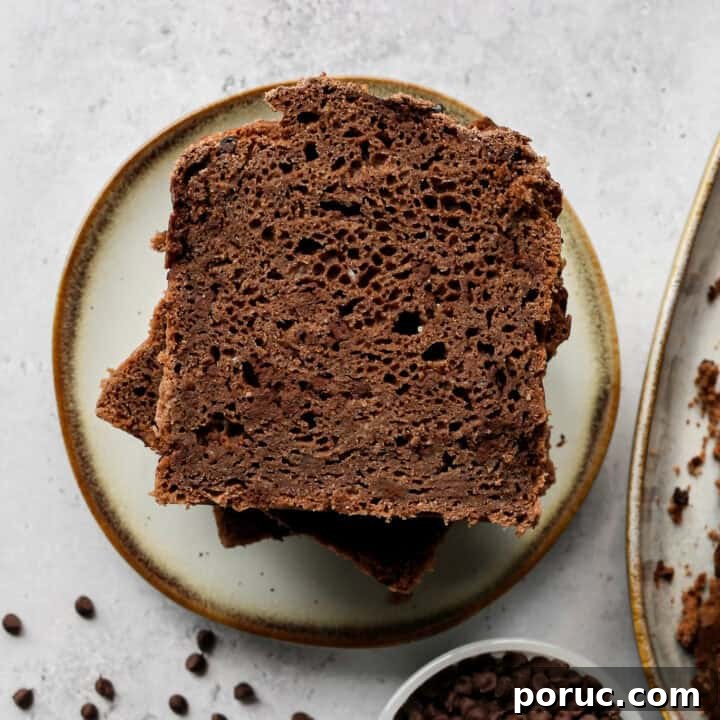
Gluten Free Chocolate Sourdough Bread
-
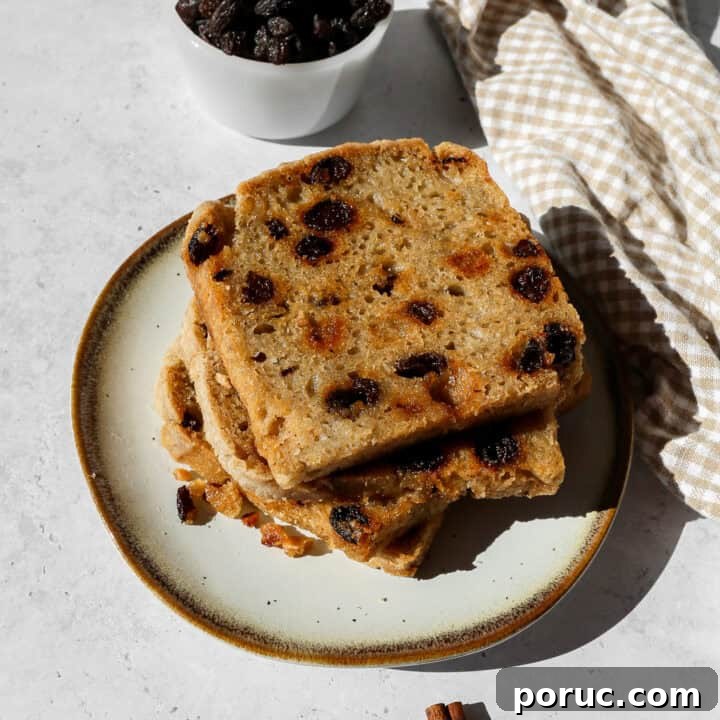
Gluten Free Cinnamon Raisin Sourdough Bread
Frequently Asked Questions
Some people with a mild sensitivity can tolerate traditionally fermented wheat sourdough, but if you must avoid gluten completely, regular sourdough made from wheat is not safe. This recipe uses a sourdough starter made strictly from gluten-free flours, so you control every ingredient and the environment, ensuring a gluten-free loaf.
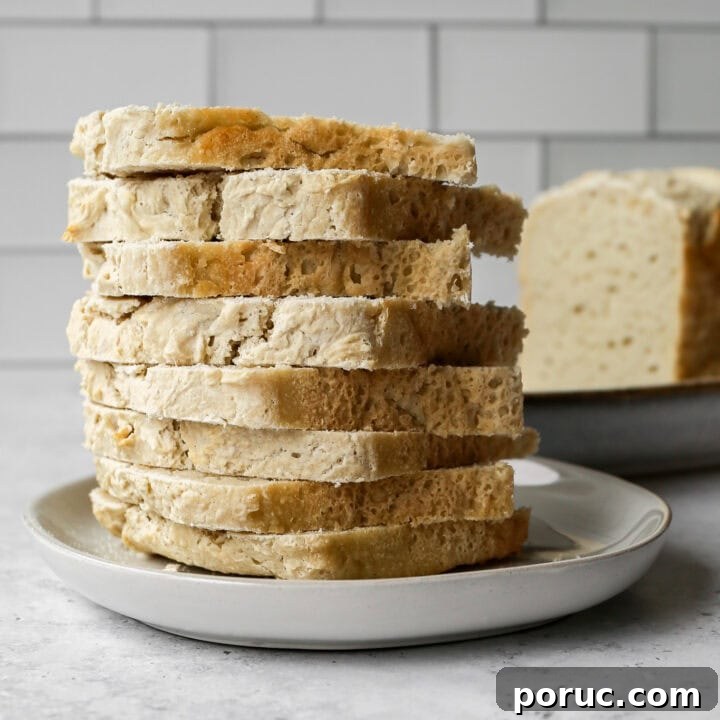
This bread rises through fermentation from a gluten-free sourdough starter rather than relying on gluten’s structure. The starter is built using gluten-free flours and provides natural leavening and flavor. While the process differs from wheat-based sourdough, fermentation still produces a delicious, tangy loaf.
A narrower 9″x4″ pan yields a taller, more traditional slice. A standard 9″x5″ pan gives a wider, flatter loaf but the taste is the same. Metal pans are recommended because they conduct heat more evenly than glass.
Yes. Substitute almond or another plant milk for dairy milk and use melted coconut oil or vegan butter instead of butter. The texture and rise remain similar with these swaps.
Xanthan gum provides structure and elasticity in this recipe. Some bakers replace xanthan gum with about twice the amount of psyllium husk, but results vary. I haven’t tested that substitution here, so if you try it, note differences in texture and let others know your results.

If you make this gluten-free sourdough bread I’d love to hear how it turned out. Please leave a star rating and a comment with any questions or tips—reading your results really means a lot.