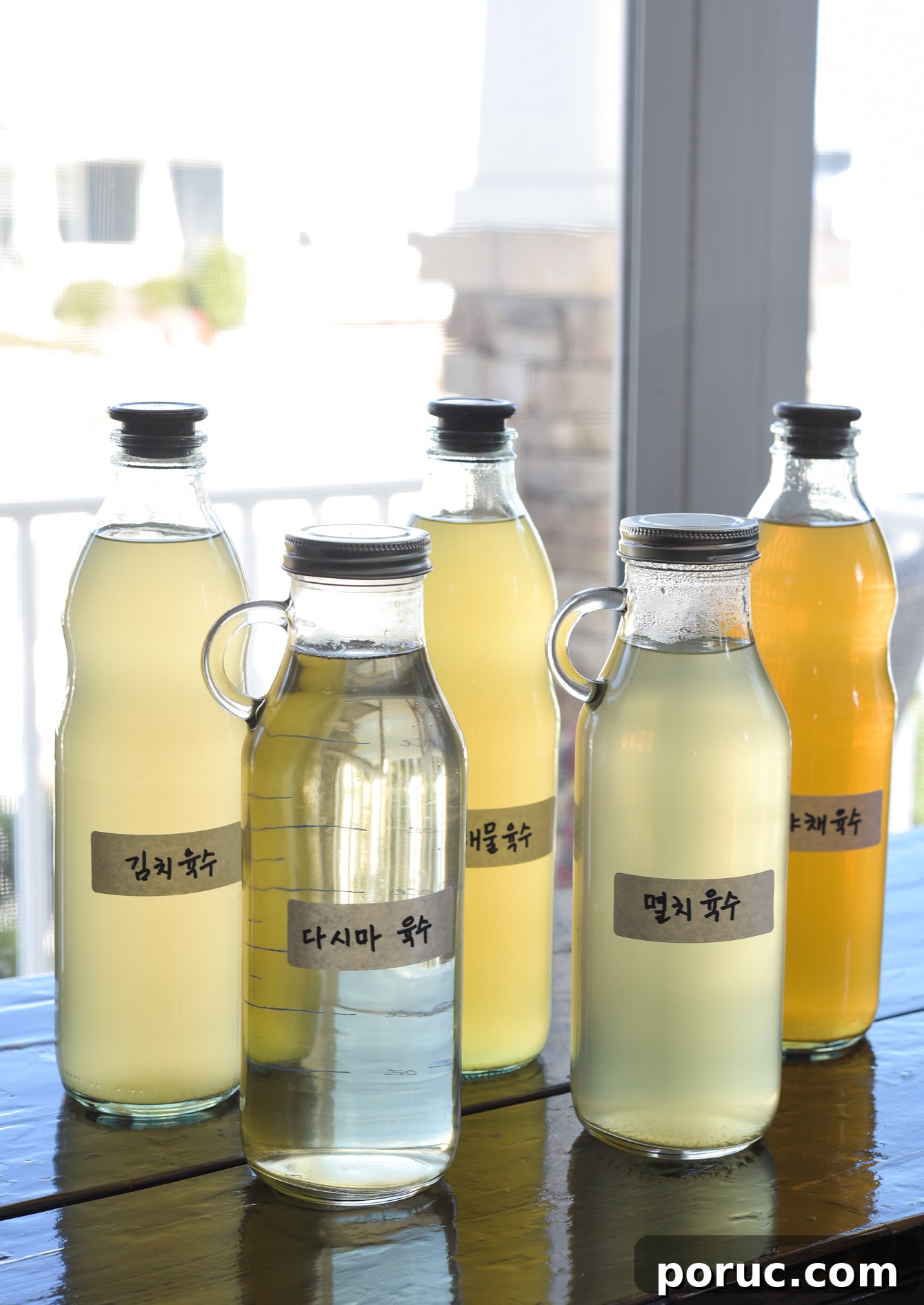
Learn how to prepare five essential Korean stocks: sea kelp, anchovy, seafood, vegetable, and kimchi stock. These 기본 육수 (yuksu) form the backbone of authentic Korean soups, stews, and many other dishes.
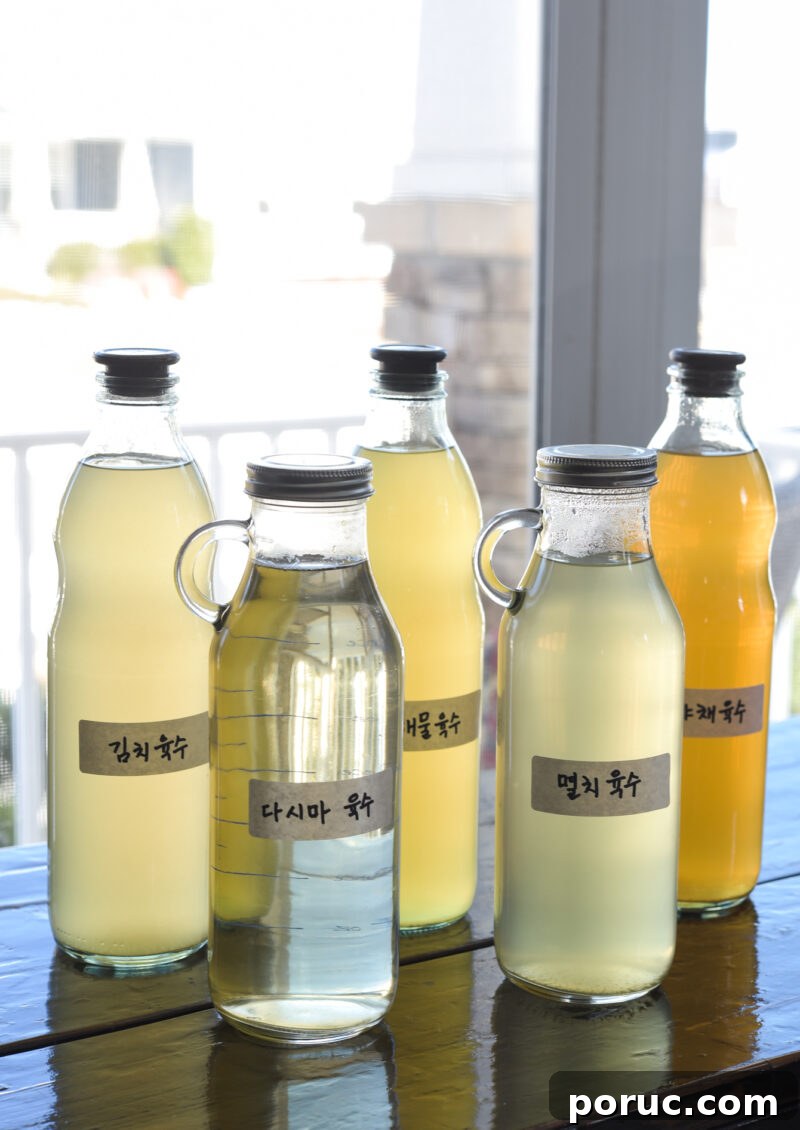
Soups and stews are central to Korean cuisine, and a good stock will lift ordinary recipes into something memorable. While Korea has countless regional stocks, these five versatile bases are the ones home cooks reach for most often. They are useful not only for soups and stews but also for braises, side dishes, and even kimchi-making.
Below you’ll find simple methods, ingredient ideas, and storage tips so you can make and keep these stocks on hand.
5 Korean Soup Stocks & Freezing Tips
- Sea Kelp Stock
- Anchovy Stock
- Seafood Stock
- Vegetable Stock
- Kimchi Stock
- Freezing Tips
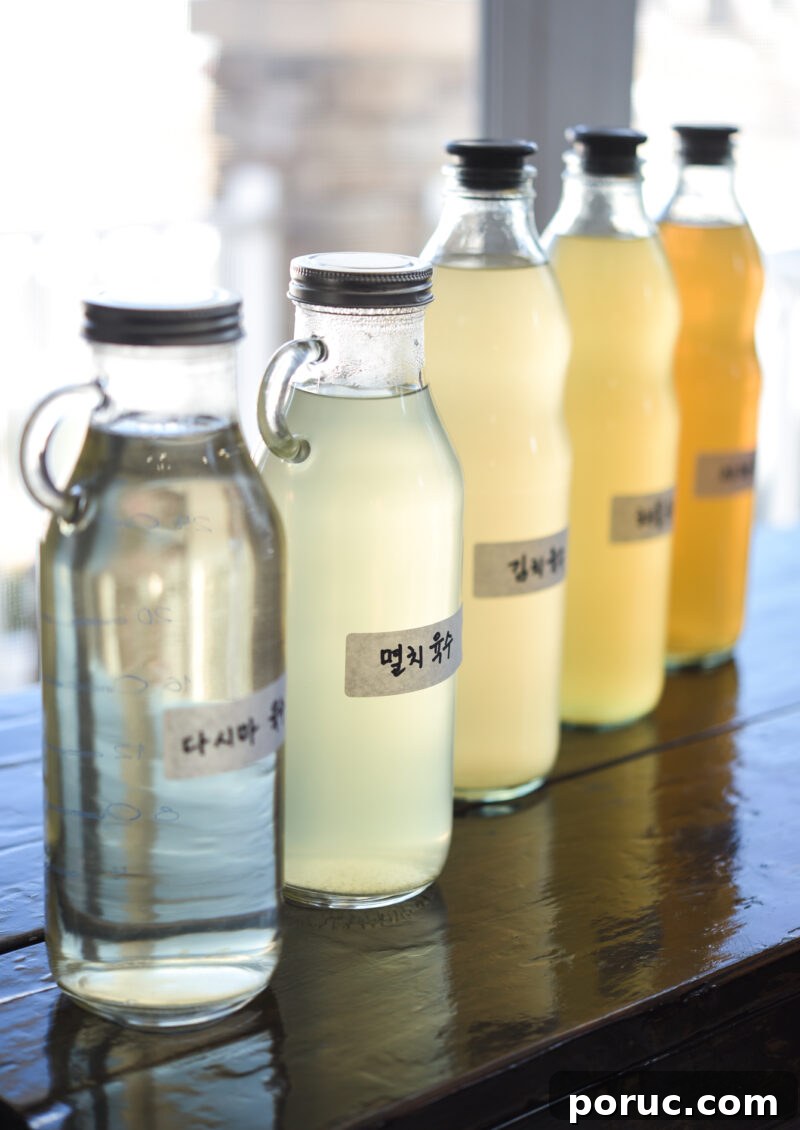
Using a quality stock adds depth and balance to dishes without overpowering them. With these simple stocks in your repertoire, you can consistently create richer, more authentic Korean flavors.
1. Sea Kelp Stock (dashima yuksu, 다시마 육수)
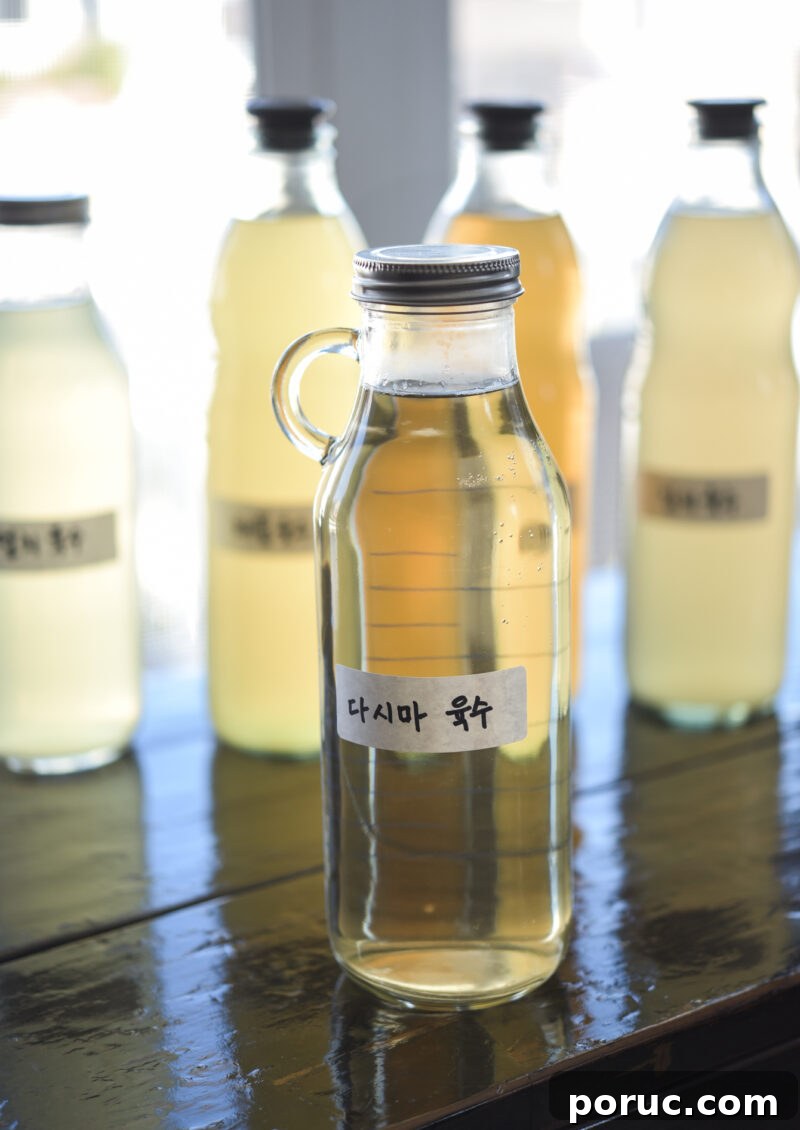
Sea kelp stock is one of the simplest and most frequently used bases. It provides clean umami and is excellent for noodle soups, light broths, and as an ingredient in braises or vegetable dishes.
To make it, use 1–2 large pieces of dried sea kelp (dashima) and simmer briefly in water. Avoid simmering longer than about 5 minutes—overcooking can release a slimy texture and bitter notes. Alternatively, for a no-heat option, steep a large piece of dashima in cold water in the fridge overnight, then discard the kelp and use the infused liquid.
How to make sea kelp stock
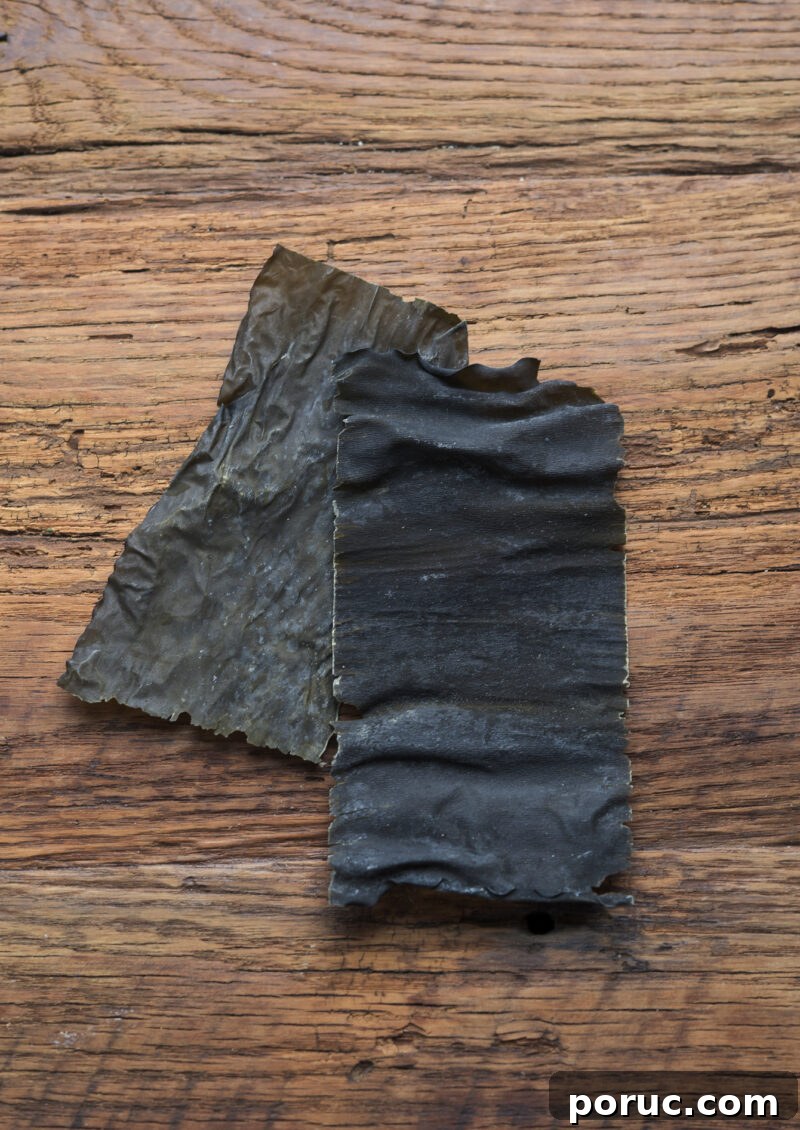
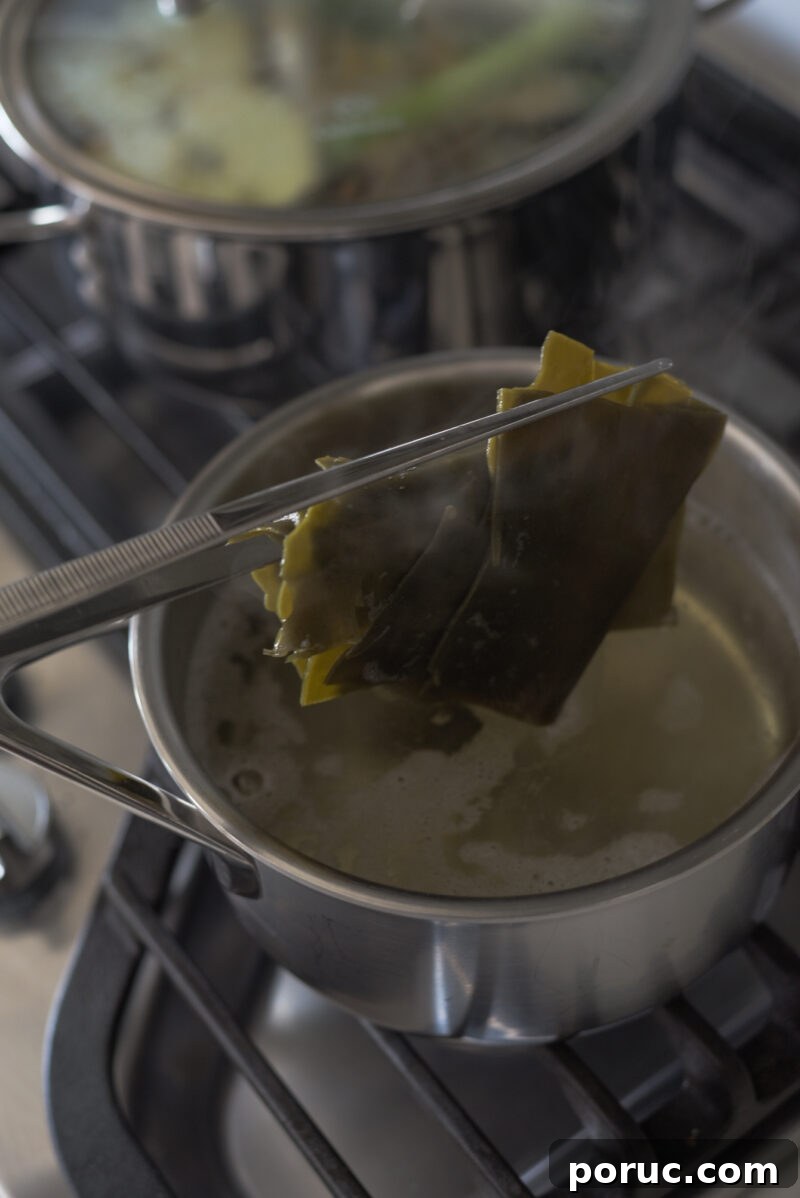
Combine sea kelp and water in a pot and simmer gently for about 5 minutes. Remove and discard the kelp; reserve the clear stock.
2. Anchovy Stock (myulchi yuksu, 멸치육수)
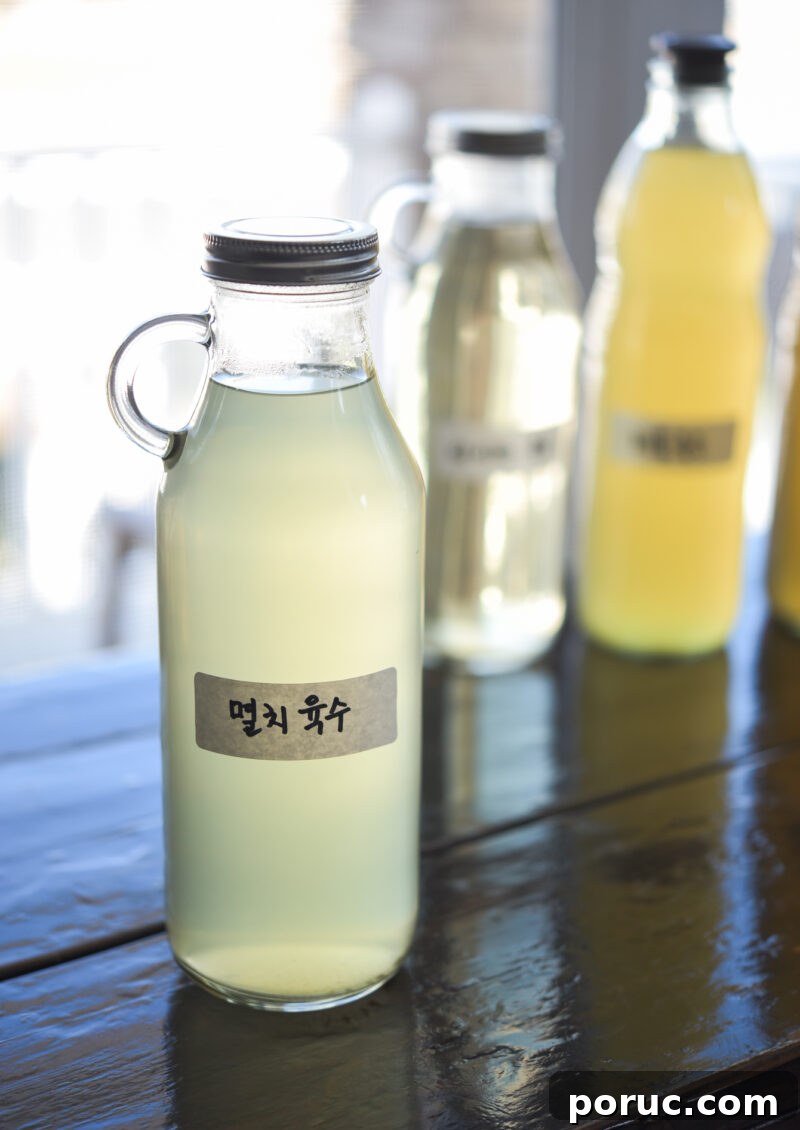
Anchovy stock is one of the most common Korean stocks and is prized for its savory depth. You can make it using dried anchovies alone or combine anchovies with a piece of sea kelp for extra richness.
Use large dried anchovies for best flavor. If your anchovies smell too fishy, dry-toast them quickly in a skillet to reduce the strong odor before making stock. Store dried anchovies in the freezer if you live in a humid climate to prevent spoilage; in dry climates an airtight container in a cool dark place is fine.
How to make anchovy stock
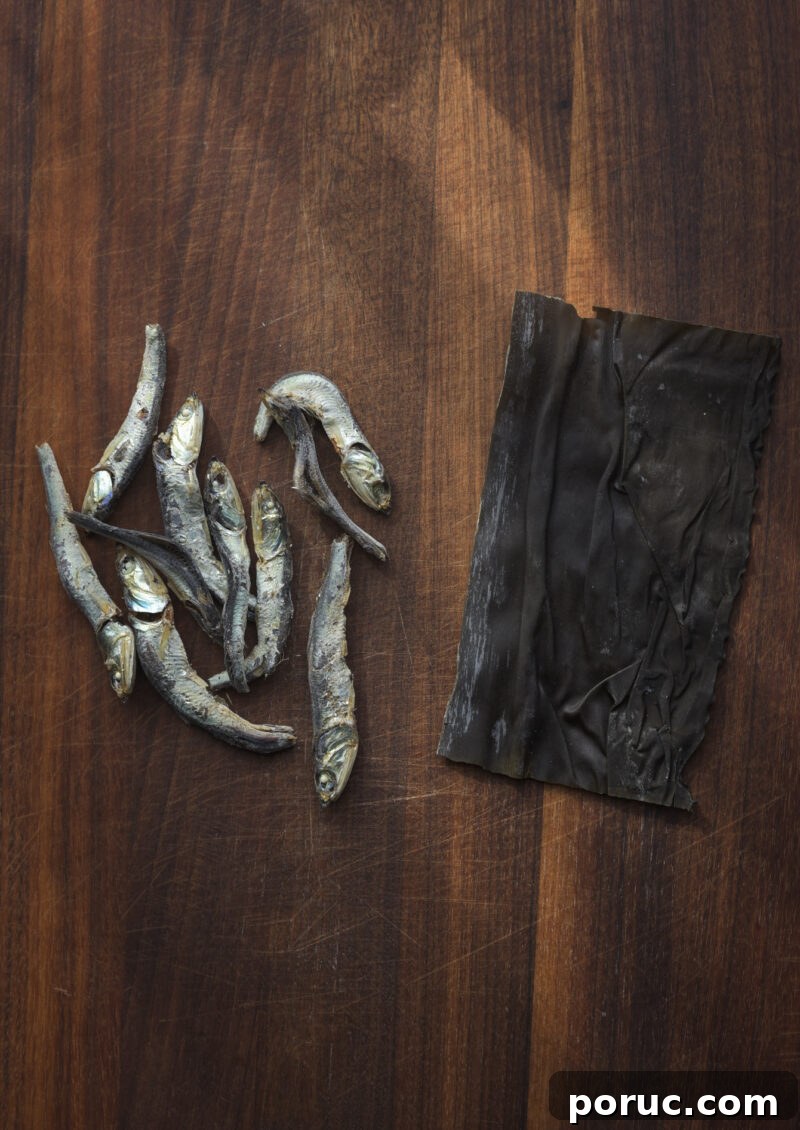
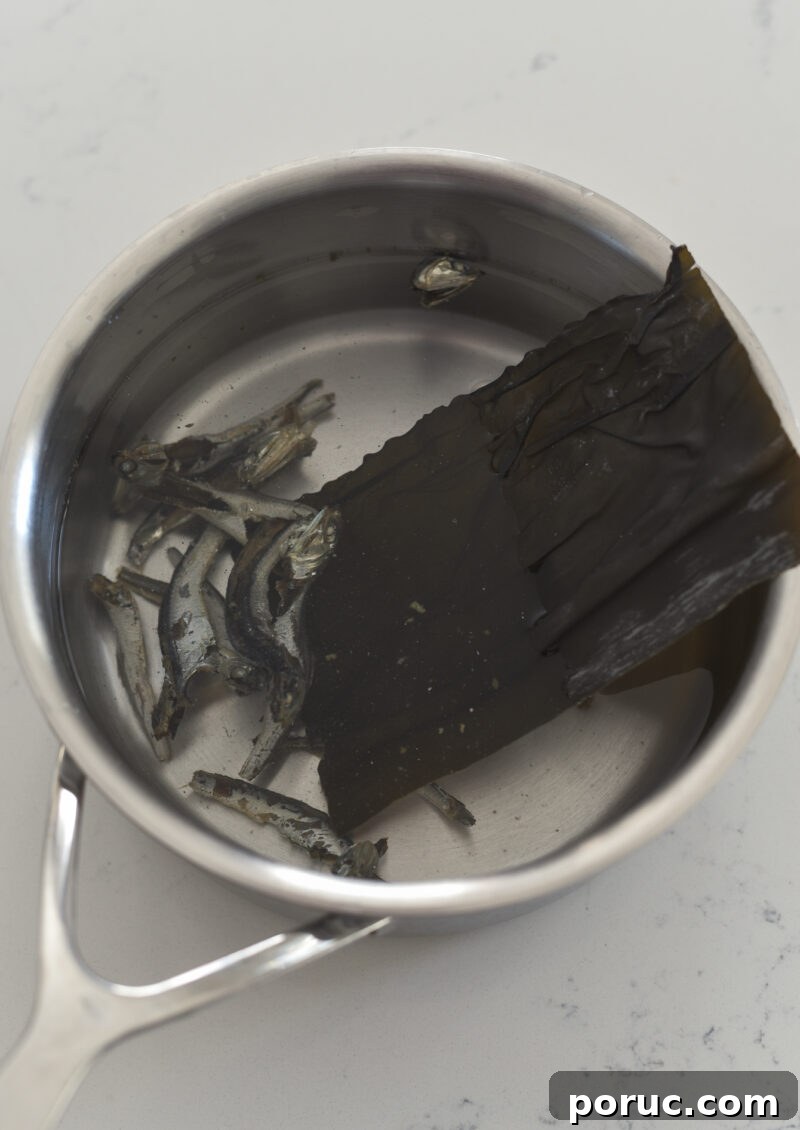
- Devein anchovies but keep their heads for maximum flavor.
- Combine anchovies, a piece of sea kelp (optional), and water in a pot. Bring to a boil, remove and discard the kelp, then simmer the anchovies over low heat for about 5 minutes. Strain and reserve the stock.
3. Seafood Stock (haemul yuksu, 해물육수)
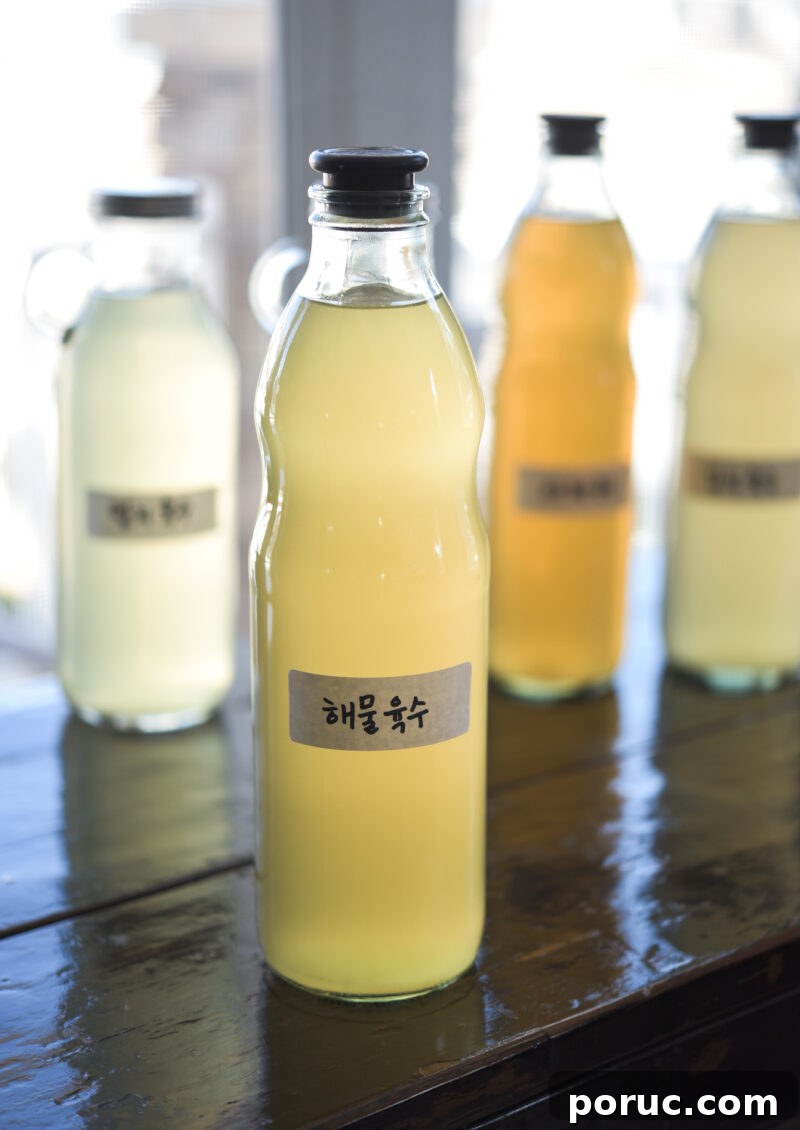
Seafood stock is richer and more complex, ideal when the broth is a central feature of the dish. Use a combination of dried seafood—dried anchovies, dried baby shrimp, dried pollock (bugeo), dried herring (dipori), and sea kelp—plus a piece of radish or leek. You don’t need every ingredient; two or three complementary items will still produce a flavorful stock.
Fresh seafood remnants—shrimp shells, crab shells, fish heads—also make excellent stock and are a great way to use otherwise discarded parts.
How to make seafood stock
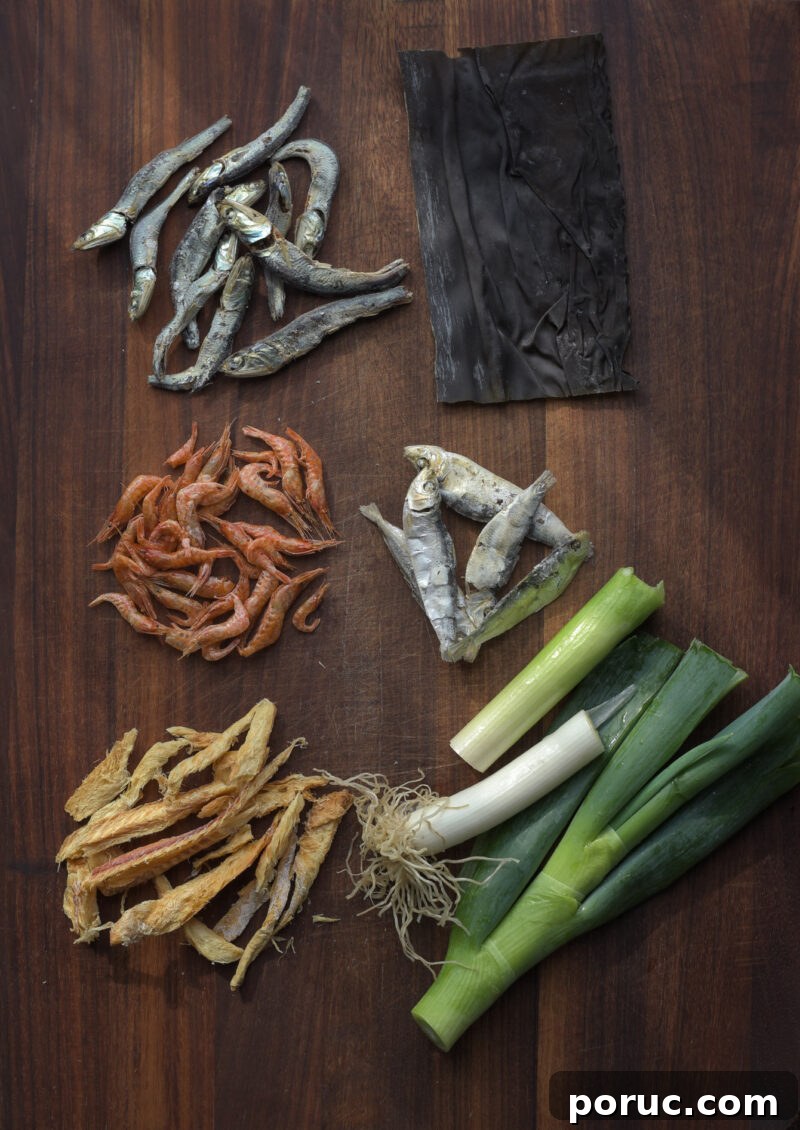
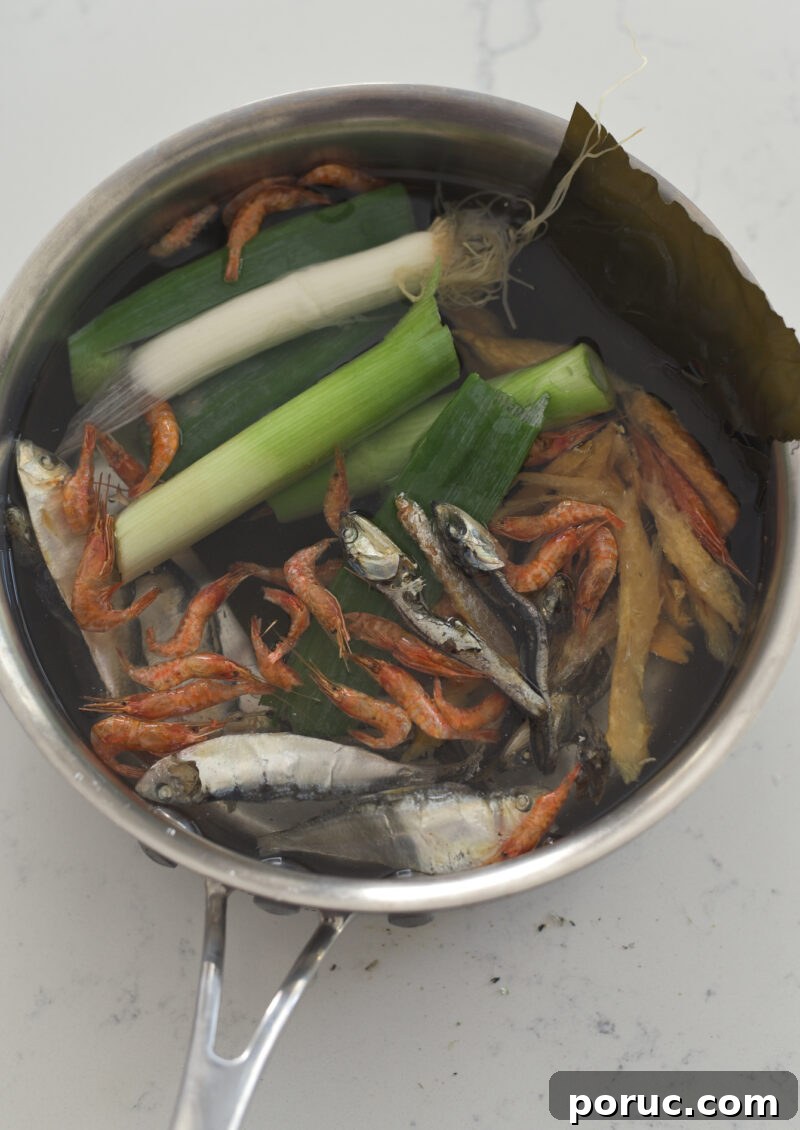
- Place your chosen dried seafood, sea kelp, leek, and water in a large pot and bring to a boil.
- Once boiling, remove and discard the kelp, then simmer gently for about 10 minutes. Strain and cool the stock before storing.
4. Vegetable Stock (yachae yuksu, 야채육수)
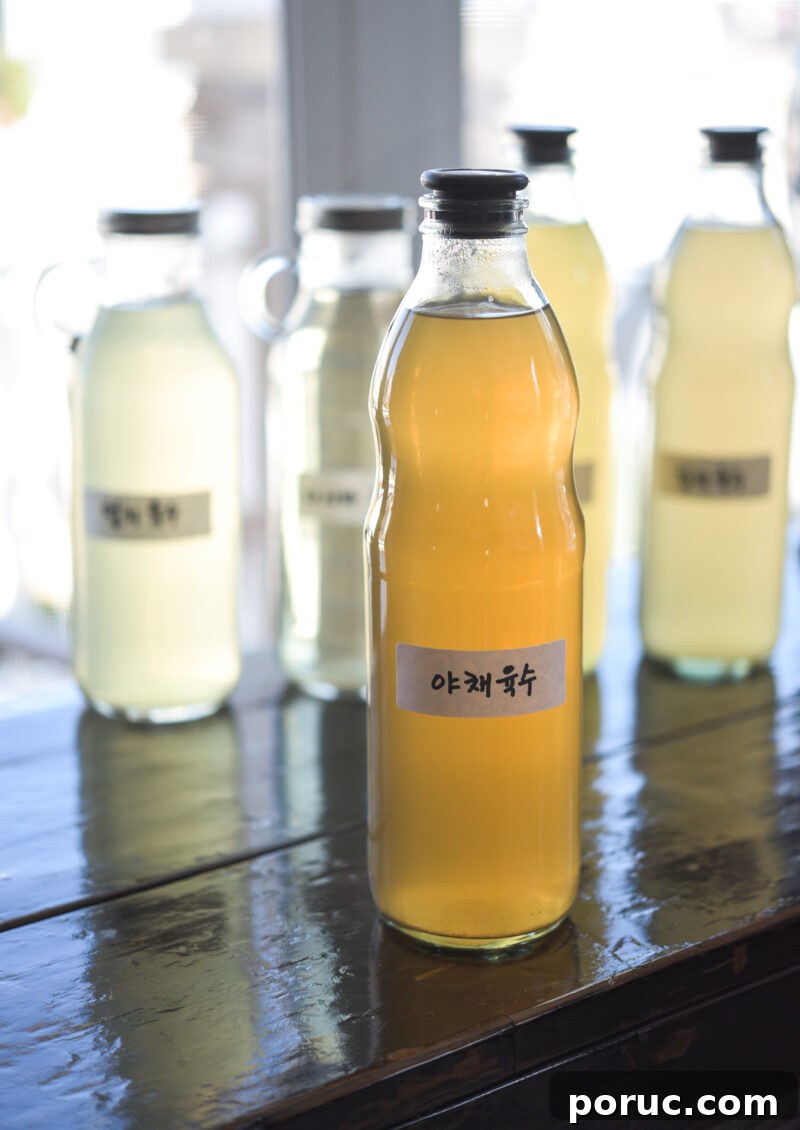
Vegetable stock is the go-to for vegetarian and vegan cooking. It works well as a soup base, for braising, or even as a component in kimchi if you prefer no seafood flavor. This stock is also a great way to use leftover vegetables.
How to make vegetable stock
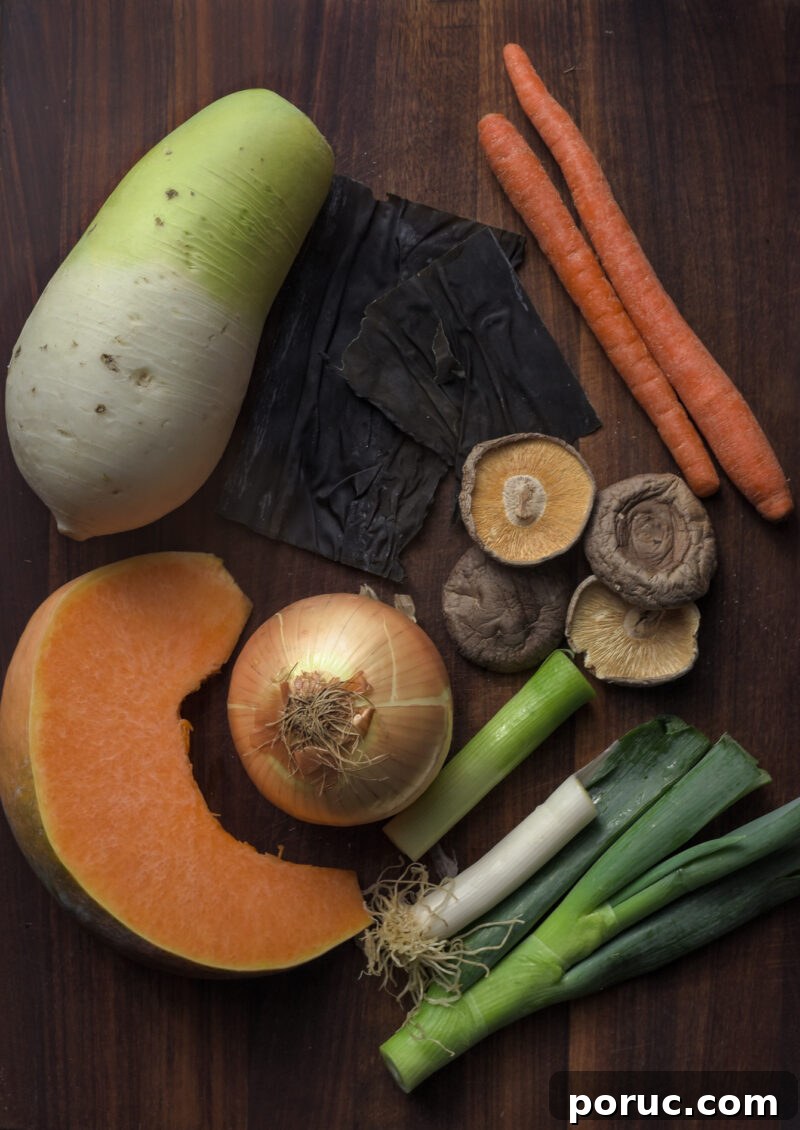
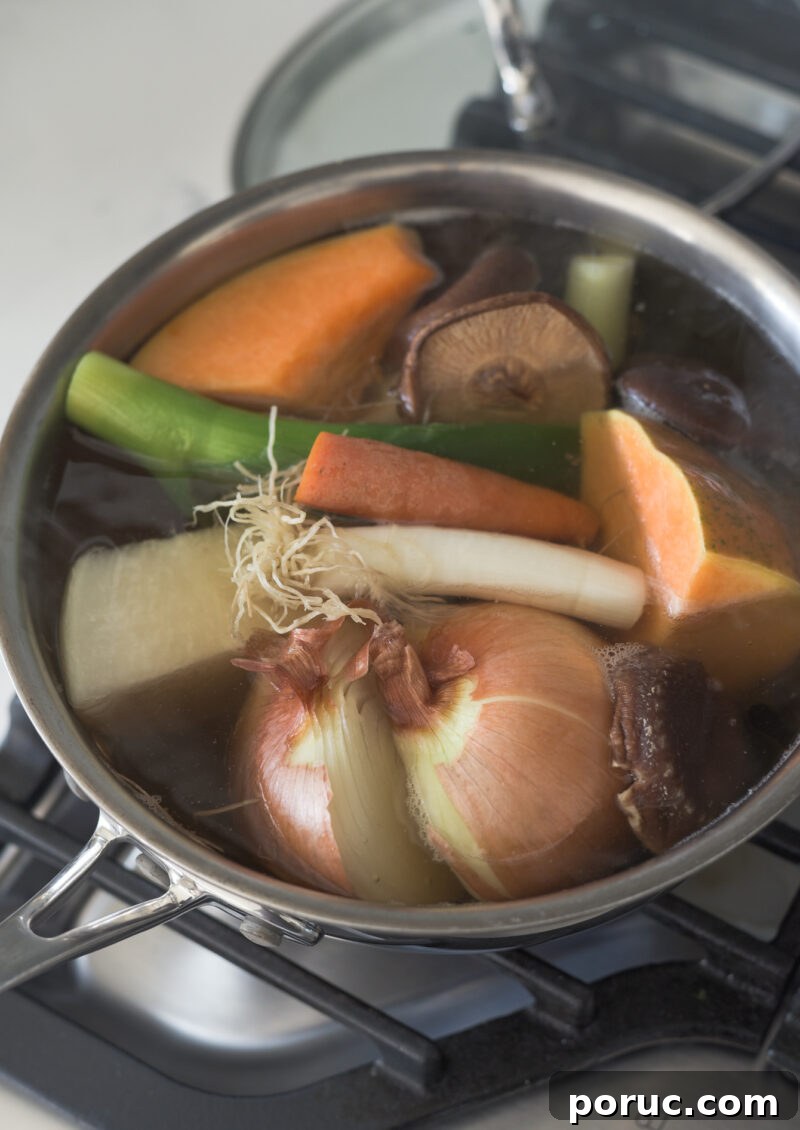
- Wash vegetables well and leave skins on to capture additional flavor from peels and roots.
- Simmer Korean radish, sea kelp (optional), carrot, dried shiitake mushrooms, onion, pumpkin, and leek in water until tender, about 15–20 minutes. Strain and reserve the clear stock.
5. Kimchi Stock (kimchi yuksu, 김치육수)
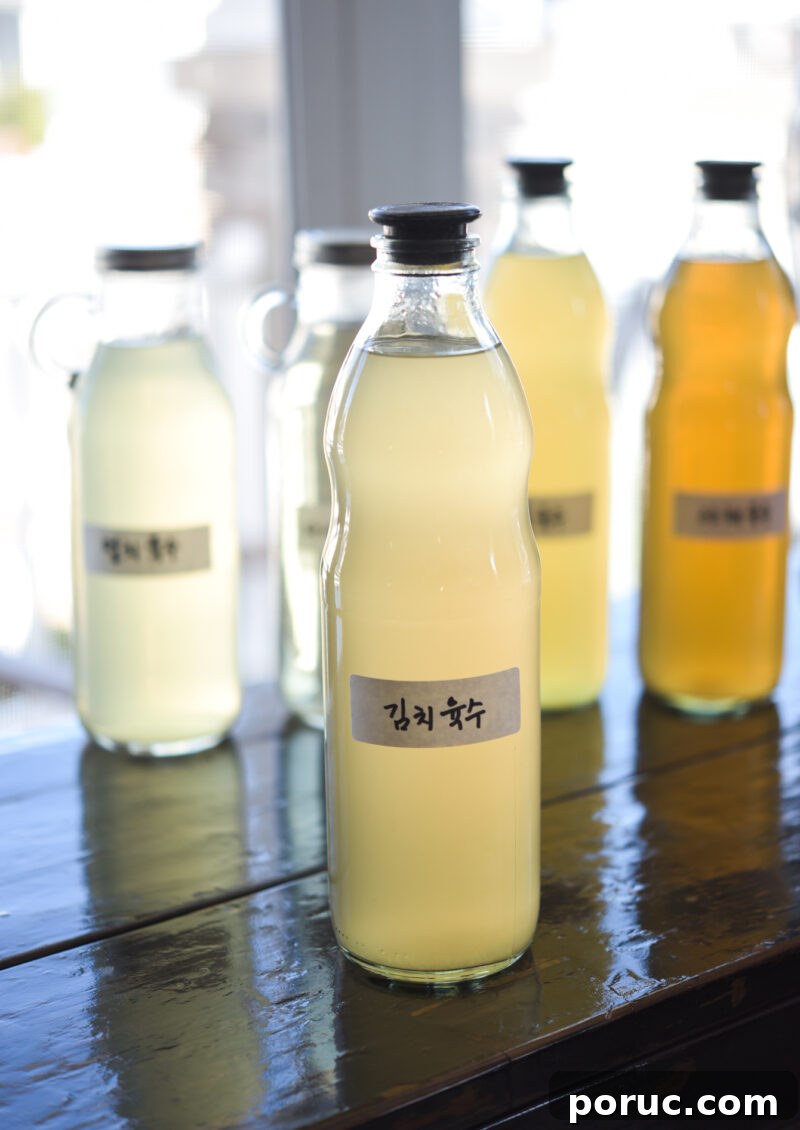
Kimchi stock is made specifically for seasoning kimchi and often contains a mix of dried seafood, vegetables, and fruit. Sweet, firm fruits such as apple, pear, or persimmon balance the savory seafood flavors and help develop a deeper, more nuanced kimchi.
If you prefer no seafood in your kimchi, make a fruit-and-vegetable-based stock or use the vegetable stock described above. Because kimchi stock is tailored to kimchi’s fermentation and seasoning, it’s best reserved for that purpose rather than general cooking.
How to make kimchi stock
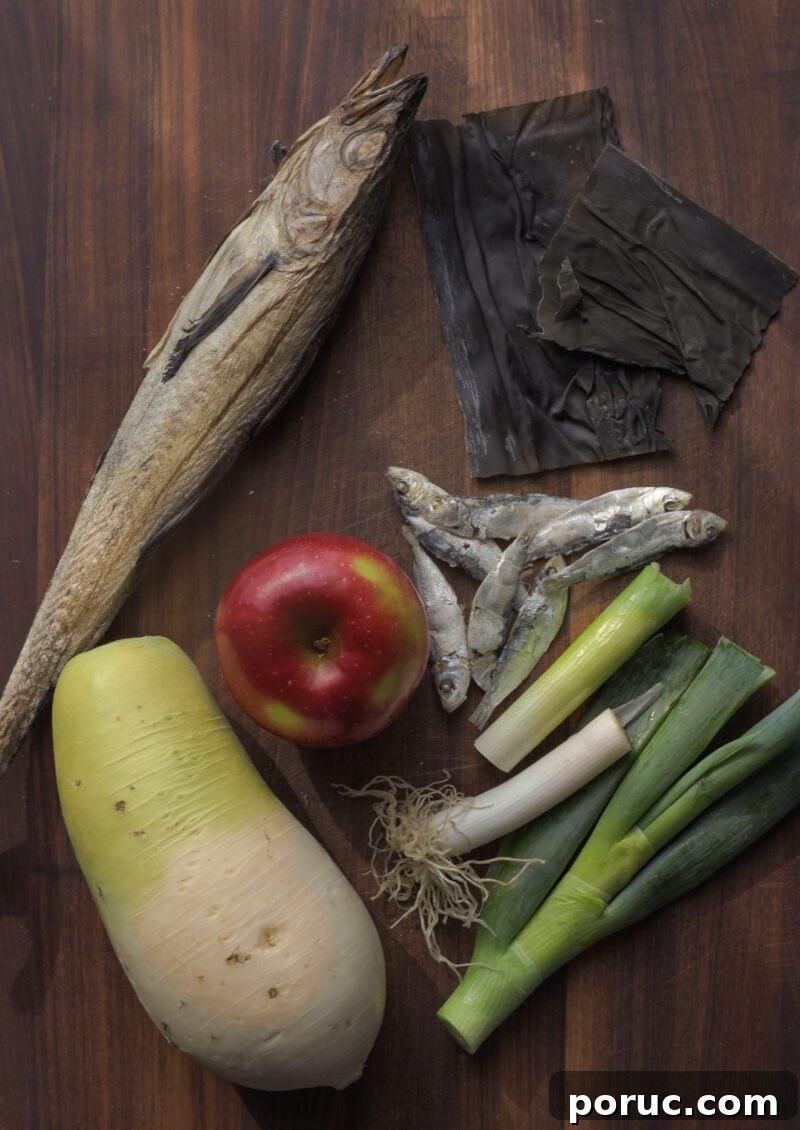
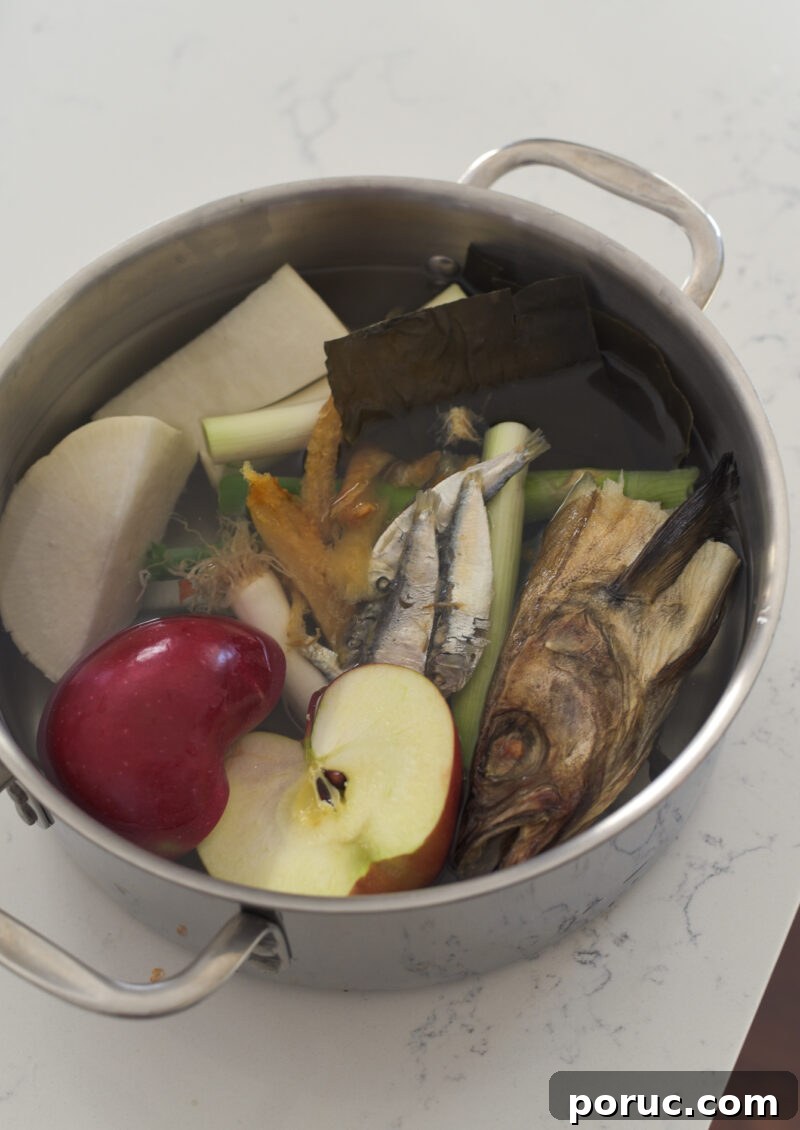
- Gather one dried pollock head (or a handful of pollock pieces), a piece of sea kelp, optional dried herring or shrimp, diced radish, a halved apple, and leek.
- Simmer all ingredients in water, reduce heat, and simmer gently for about 30 minutes. Strain and cool. This concentrated stock is ideal for seasoning kimchi.
- Make a larger batch if you make kimchi often—portion it for convenience and freeze.
Storage Tips
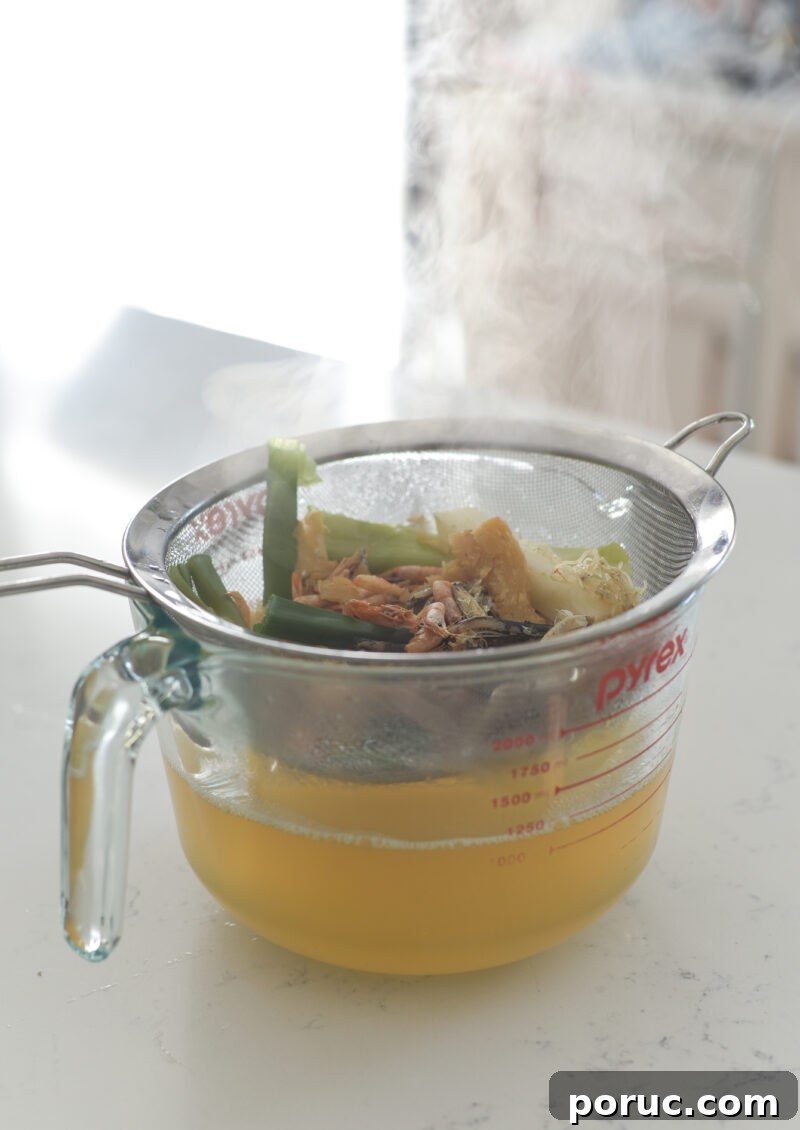
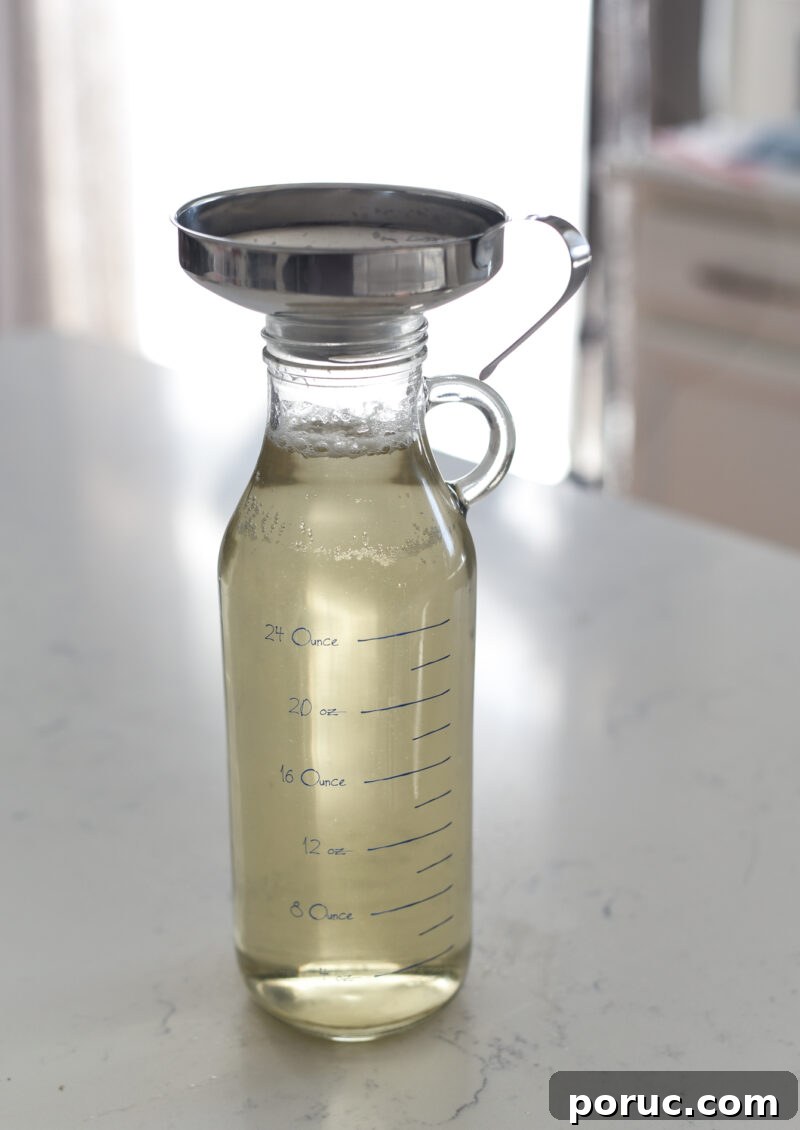
Always strain stocks through a fine mesh to remove solids and debris. Cool the liquid completely before refrigerating. Properly stored, stocks will keep in the refrigerator for up to 10 days.
Freezing Tips
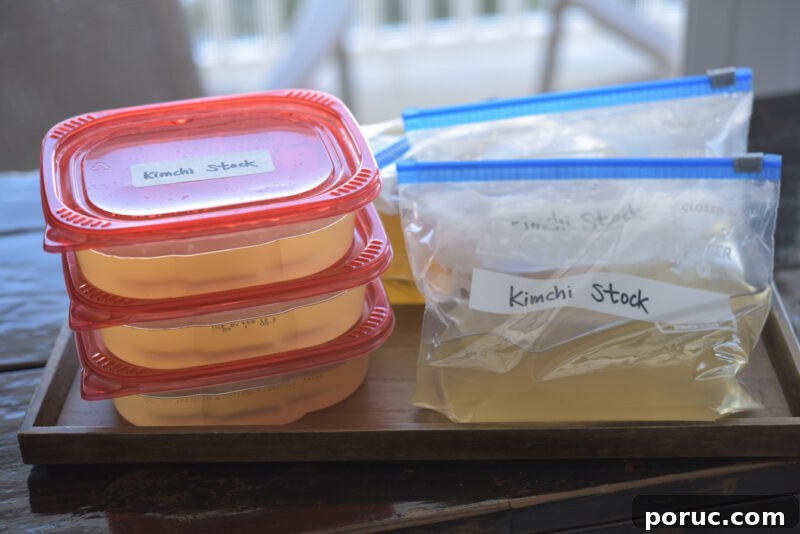
All of these stocks freeze well. Use freezer-safe containers or zip bags and label with the date. For kimchi stock, portion into amounts you’ll use for one batch of kimchi—this makes thawing and using it much easier. Stocks can keep in the freezer for up to six months.
To thaw, run hot water over the container or bag to loosen the frozen block, then transfer the frozen stock to a pot and gently warm over low heat until fully melted.
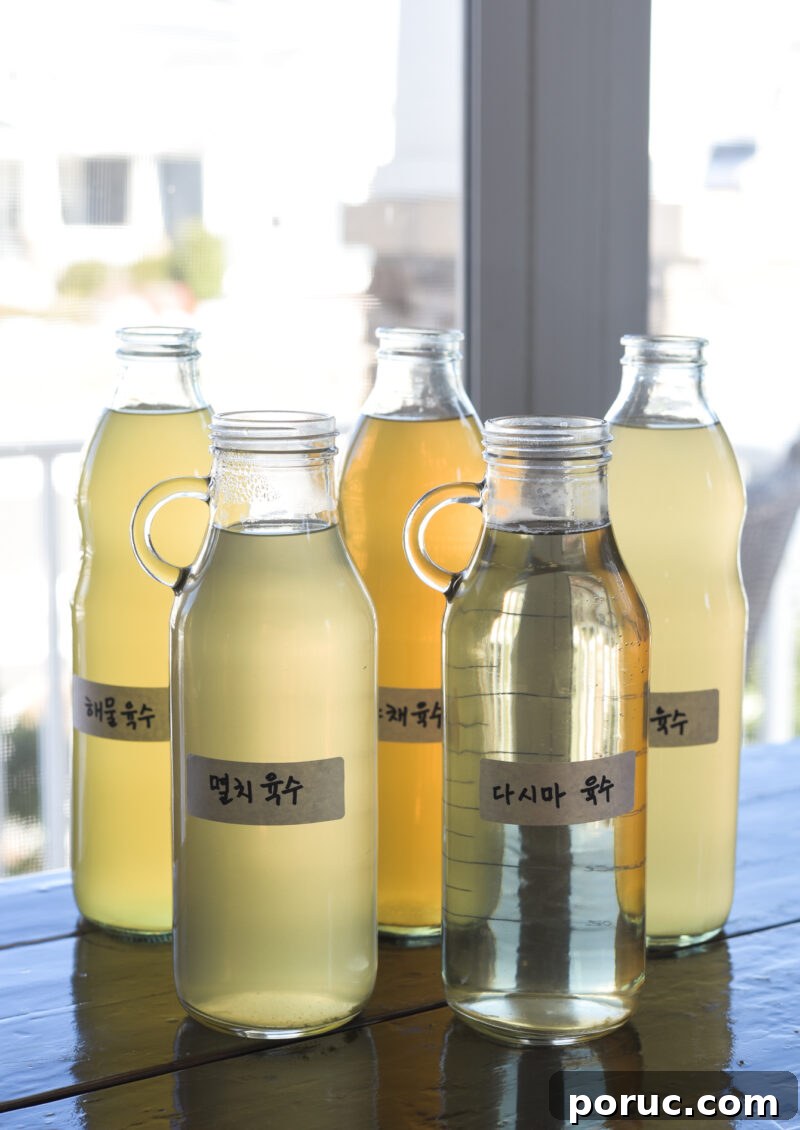
If you try these stocks, save a few jars in your fridge or freezer—they’ll save time and make a noticeable difference in flavor whenever you cook Korean dishes.