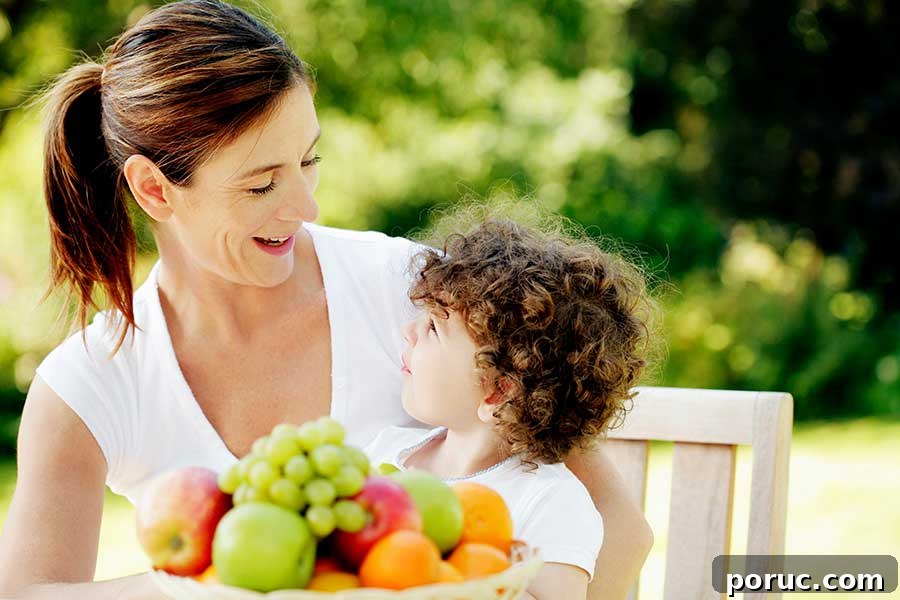
“Today, I’m so excited to have a guest post by Jamie Garner.”
Many parents feel guilty about their children’s eating habits. They know healthy food matters but often struggle with how to encourage better choices. Below are practical, realistic strategies to help children eat more nutritiously without stress.
Create a meal schedule.
Children thrive on routine. Aim for three meals and two snacks spaced throughout the day. A predictable timetable helps regulate appetite and reduces grazing on less nutritious options. When you leave the house, bring fruit, wholesome snacks, and water so you aren’t tempted to buy processed junk food on the go.
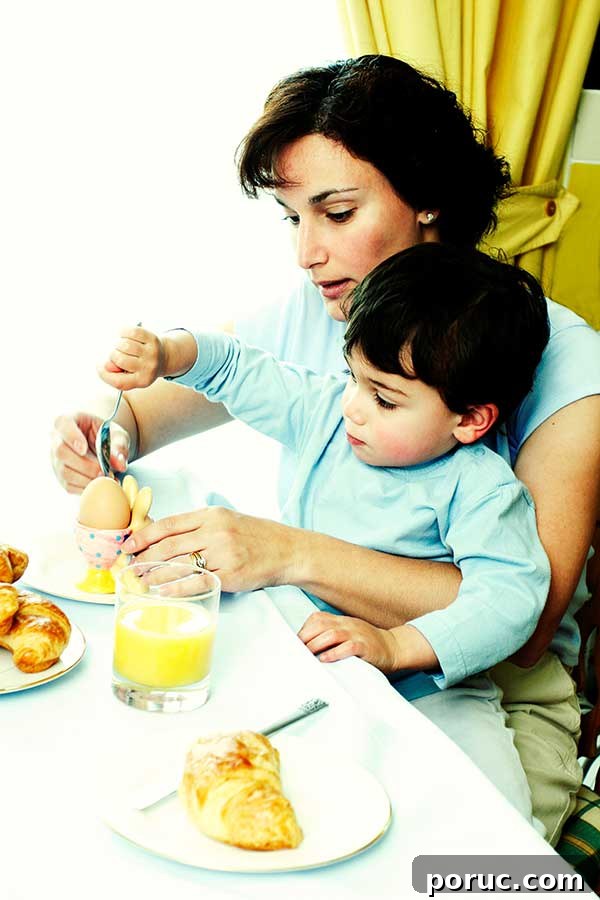
Make dinner a family occasion.
Share varied, balanced dinners as often as you can. Meals don’t need to be complicated to be healthy — think simple stir-fries, quinoa or gluten-free pasta dishes, whole-grain bread, vegetables, and fruit. Prepare larger batches of stews or soups and freeze portions to reheat on busy nights: it saves time and keeps meals home-cooked and nutritious.
Know your children’s preferences.
Recognize what your children enjoy eating. Occasional treats like popcorn during a movie or ice cream are part of life. If they prefer sweet flavors, offer healthier alternatives such as chia pudding or oatmeal almond butter cookies. When treats are balanced with physical activity and regular healthy meals, children can enjoy them without harm.
Avoid cooking separate meals for each child.
Preparing a different dish for every family member quickly becomes exhausting. Cook one main dish and offer a few healthy side options so children can choose what they want to eat. Over time, children tend to follow the family’s habits and sample the same foods you serve.
Cook with your children.
Including kids in meal planning, grocery shopping, and simple cooking tasks increases their interest in eating what they helped prepare. Even young children can wash vegetables or stir ingredients; older kids can chop with supervision. Participation builds confidence and curiosity about food.
Stay neutral about how much they eat.
Avoid commenting on portion sizes or pressuring children to finish their plates. Your job is to provide healthy choices; their job is to decide how much to eat. Pressuring or criticizing can create negative associations with mealtime and lead to resistance.
Offer dips and condiments.
Some children are more willing to try vegetables when paired with a dip. Healthy dips like hummus, yogurt-based dressings, nut butter, or light vinaigrette can make raw vegetables, fruit, and whole-grain crackers more appealing. Choose nutritious options when possible to keep snacks wholesome.
Limit junk food in the house.
You control what’s available at home. If less processed and sugary food is bought, children naturally eat healthier options like fruit, yogurt, whole grains, and lean proteins. Keeping tempting snacks out of easy reach makes it simpler for everyone to make better choices.
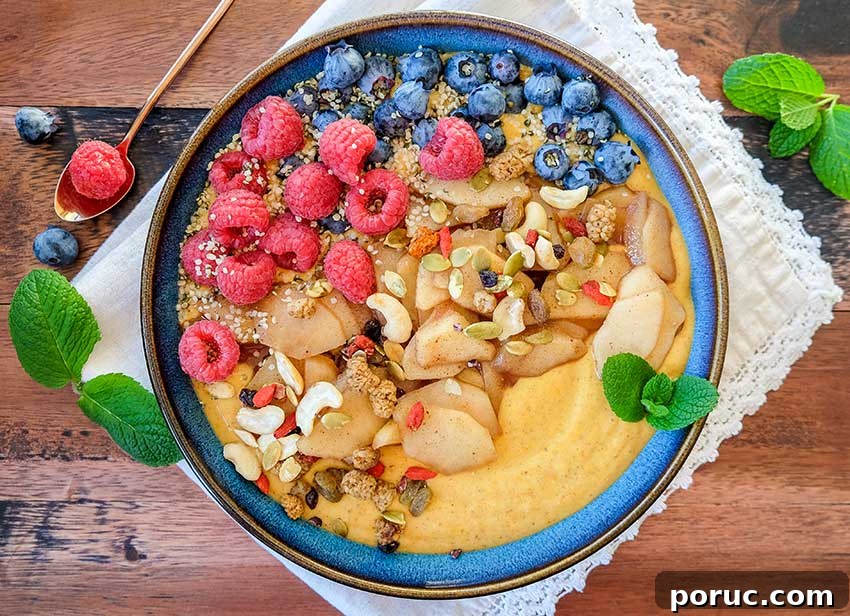
Pumpkin Pie With Cinnamon Apple Swirl Yogurt Bowl
Don’t skip breakfast.
Breakfast sets energy and appetite for the day. Include fiber-rich choices like whole-grain cereals, fruit, or make-ahead options such as buckwheat pancakes or healthy muffins. Preparing portions in advance helps busy mornings stay nutritious.
Be creative with presentation.
Colorful, fun-looking meals attract children. Use cookie cutters to shape pancakes or sandwiches into hearts and circles, or arrange vegetables into animal shapes. Small portions and finger-friendly foods like frozen grapes or berry skewers are often popular. Visual appeal and playful names can encourage trying new foods.
Lead by example: children notice your habits. Regular, balanced meals and calm eating behavior help them develop healthy lifelong habits rather than mimicking fad diets or erratic eating patterns.
Key message to teach children
Encourage children to stop eating when they feel full rather than insisting they finish everything on their plate.
Author Bio: Jamie Garner is a mother of eight and an enthusiastic cook. She enjoys theatre both onstage and as an audience member, and she has been writing since childhood. Jamie often creates new recipes to share with her large family. She holds a diploma in Social Services and has spent much of her career working with children.
Disclaimer: Views expressed in this article do not necessarily reflect those of onlyglutenfreerecipes or its staff.