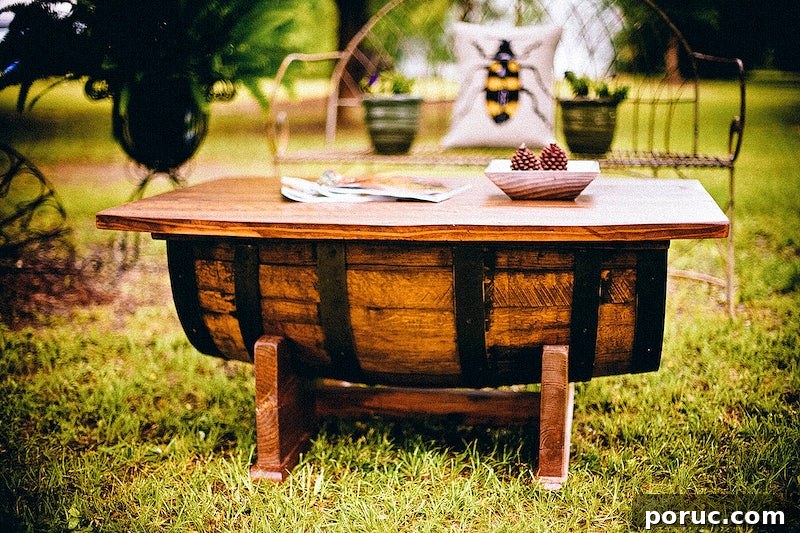
Watching people build tables outdoors evokes a warm sense of nostalgia, like stepping into a classic 1980s TV scene brought to life. The satisfaction of crafting something with your hands blends with a cozy, old-fashioned charm that stays with you. For anyone who enjoys simple, hands‑on projects, these builds are inspiring—and likely to spark a desire to try one at home. Read on to learn why these enduring projects remain popular and why their vintage appeal never truly fades.
Rather than serving only as a coffee table or sideboard, many of these DIY tables are designed to double as outdoor cooking stations, giving them real practicality in the backyard.
These DIY grill tables are both affordable and straightforward to build. They also offer plenty of design flexibility: you can adapt the size, materials, and finish to fit your needs and style.
For instance, you might construct a table from cedar and apply a natural stain, or choose modern, low‑maintenance materials such as composite or plastic and finish them with durable paint or lacquer. Even if a custom, professionally made outdoor unit is out of your budget, a creative DIY approach lets you build a functional and attractive backyard barbecue station.
Below is a simple overview of how to build a DIY grill table in just a few hours using common materials you may already have at home.
What is a DIY grill table?
A DIY grill table is a freestanding table built to hold food, utensils, and other essentials while cooking outdoors. While wood and metal are the most common materials, people also use concrete, fiberglass, and recycled items to suit different styles and durability requirements.
Most DIY grill tables use a sturdy wooden base with a flat tabletop surface. However, you can customize the top material to match your preferences, from rustic timber to weatherproof composites.
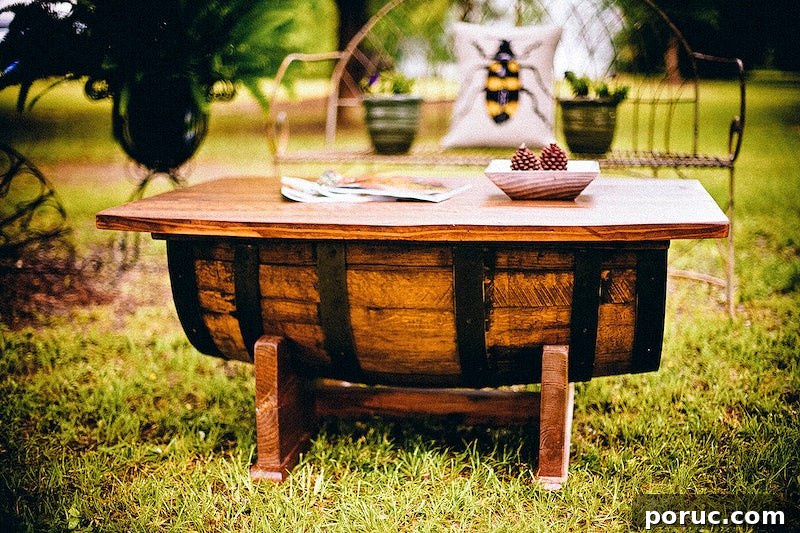
How do you make a DIY grill table?
Begin by constructing a strong leg frame. Cut four pieces of 2×4 lumber to the desired table height—about 4 feet is common for a standing prep table. Cut two matching crossbars to connect the legs about 6 inches above the ground to add stability.
Drill pilot holes through the legs and crossbars, then secure the frame with exterior‑grade screws. Once the leg frame is assembled, add a lower shelf or platform if you want additional storage, and then attach the tabletop boards across the top of the frame, ensuring they are level and well fastened.
What are the benefits of a DIY grill table?
A DIY grill table is highly adaptable. You can choose different woods, finishes, and decorative touches to match your outdoor décor. The design can be scaled to fit small patios or large entertaining areas and can include extra features like shelving, hooks, or utensil storage.
For those who often host gatherings, a wider table can provide space for several people to prep or serve food comfortably. The ability to customize size and features is one of the main advantages over off‑the‑shelf options.
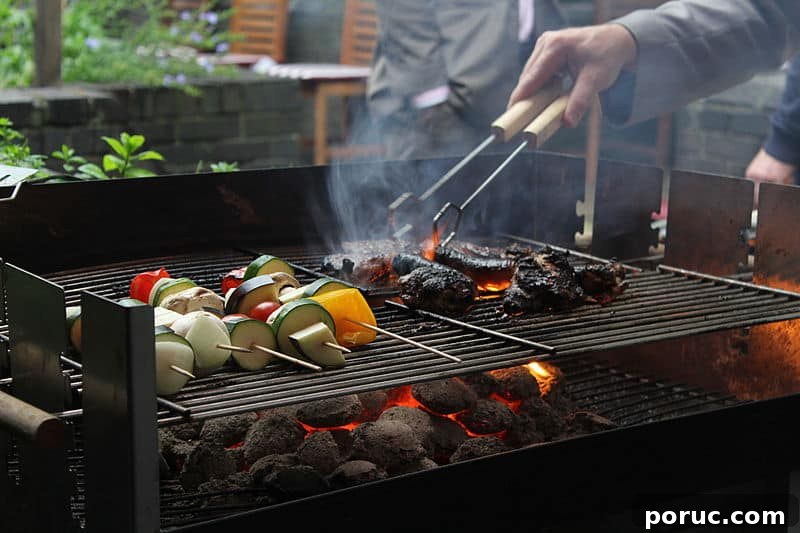
How does a DIY grill table compare to a store‑bought grill table?
DIY grill tables typically cost less than store‑bought models and offer more personalization. Many online retailers sell prefabricated legs or frames so you can buy a ready frame and pair it with a custom tabletop, but building from scratch lets you tailor every detail.
What are the disadvantages of a DIY grill table?
Constructing a grill table requires planning, accurate measurements, and some basic carpentry skills. You must ensure the table is sturdy enough to support a heavy grill and that any appliances or hot plates fit safely within the design.
Like any outdoor furniture, a DIY table will gradually show wear from weather and use, and may need maintenance or refinishing over time. If you want a hassle‑free product with a long warranty and proven durability, a professionally built unit might be a better choice.
Is a DIY grill table worth the effort?
For many homeowners the answer is yes. A DIY grill table can be inexpensive, functional, and satisfying to build. You can save money compared with buying a fully assembled premium table while achieving a tailored look that fits your space.
However, if you need a highly specialized or long‑lasting solution with minimal effort, a ready‑made table might be preferable. Consider your priorities: cost savings and customization versus convenience and factory durability.
How long does it take to make a DIY grill table?
Actual build time varies by complexity, but a basic, functional table can often be assembled in a few hours. Cutting, drilling, and fastening the frame are the main tasks; adding finishing touches like sanding and sealing may add additional time but improve longevity.
What tools do you need to make a DIY grill table?
Basic carpentry tools are sufficient: a saw (circular or miter), drill with bits, screwdriver, hammer, tape measure, level, and clamps. For smoother edges or decorative profiles you might use a router, and for cutting and finishing the tabletop a sander is helpful.
Tips for building a DIY grill table
Measure twice and mark clearly before cutting. Decide on table height and tabletop overhang early, and leave enough clearance for crossbars and any hardware. Use exterior‑grade screws and weatherproof finishes to extend lifespan, and consider adding a lower shelf or hooks for extra storage. Finally, test stability with the grill and accessories in place before regular use.
Other considerations
Treat a DIY grill table as a permanent outdoor fixture by meeting safety and local code requirements where relevant. Install a stable, level base and use fire‑resistant materials or barriers where the grill contacts the tabletop. Plan how you’ll move the table—casters or a dolly can make transport easier when needed.
Related Posts
Lisbon Chocolate Cake Recipe

Microwave Chicken Breast

Custard Ice Cream Recipe

Can You Freeze Imitation Crab?