Are you wondering whether it’s better to cook ribs bone up or bone down? We’ve got the answer.
In this guide from TheGrillingDad.com you’ll learn:
- Whether to cook ribs bone up or bone down
- Practical tips for preparing and smoking ribs
- How wrapping affects cooking and flavor
If you want an easy method for fall-off-the-bone tender ribs, watch the video below and then read on for details and tips.
Should You Cook Ribs Bone Up or Down?
It may seem like a small detail, but the orientation of your ribs matters. The bones affect how heat reaches the meat, so positioning changes the result.
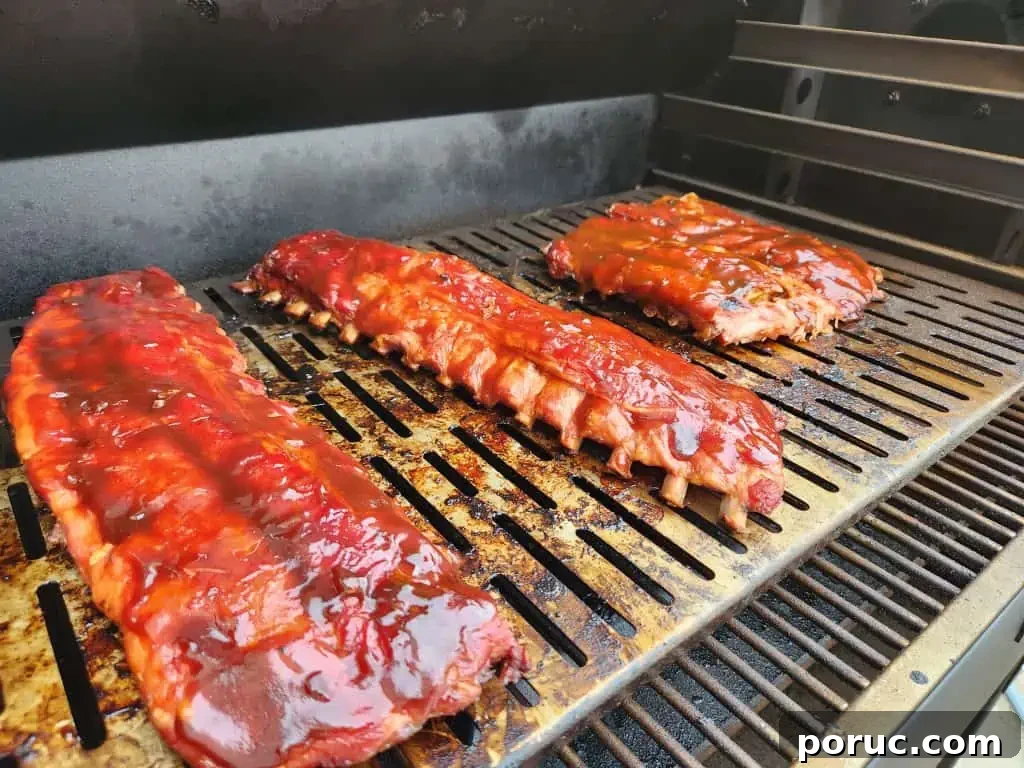
For best results, cook ribs bone side down. Ribs are typically cooked over indirect heat, and placing the bones down helps shield the meat from direct heat while allowing smoke and gentle heat to penetrate. This position reduces the chance of the meat touching the grate and becoming tough, and it supports a more even, smoky finish.
Cooking ribs bone side up can allow moisture to collect against the bone side and encourages parts of the meat that contact the grate to dry out or toughen. For succulent, evenly cooked ribs, bone down is usually the better choice.
Read on to learn more about exceptions, wrapping, and finishing techniques.
Do All Types of Ribs Get Cooked Bone Down?
Both pork and beef ribs benefit from being cooked bone side down. While the meats differ, the bones serve the same purpose: they shield the meat and help distribute heat more gently. Whether you’re smoking baby backs, spare ribs, or beef short ribs, bone down is a solid starting point.
If you’re working with boneless cuts—such as country-style ribs—those are better cooked in a pan or treated like any other boneless roast or chop since there’s no bone to protect the meat.
Should You Cook Ribs Bone Down in Aluminum Foil?
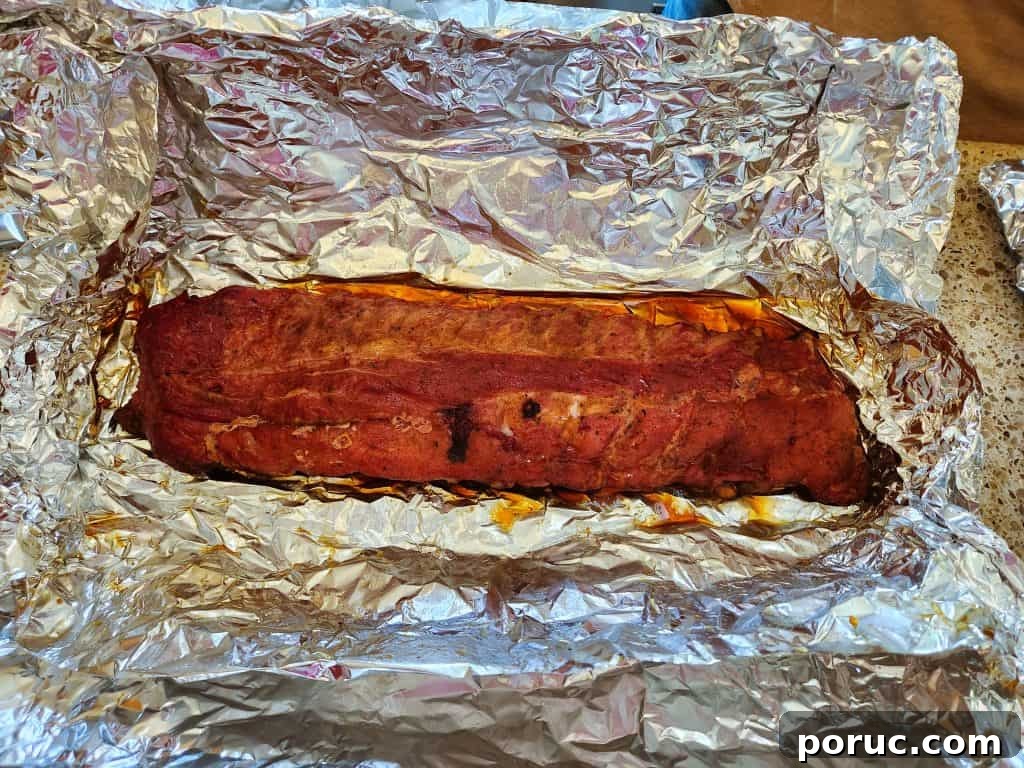
Wrapping ribs in foil (or using the popular 3-2-1 method) helps retain moisture, but it also changes how juices move around the meat. When ribs are fully wrapped in foil, whether you place them bone up or bone down becomes more a matter of preference.
Some pitmasters prefer bone up while wrapped, reasoning that juices collect and baste the meat. Others stick with bone down to maintain consistent heat protection. Either approach can work; the key is careful timing, because foil can accelerate cooking and make it easy to overcook the ribs.
How to Cook Ribs Wrapped in Butcher Paper
Butcher paper is a popular alternative to foil. Unlike foil, butcher paper is breathable, so it preserves the bark while still keeping some moisture in. If you want to protect the crust while preventing the ribs from steaming excessively, butcher paper is a good choice.
When using butcher paper some cooks place the ribs bone up to allow juices to settle against the meat side, while others continue with bone down. Both methods can produce juicy ribs with a well-formed bark. The breathable nature of butcher paper does help maintain texture better than foil.
Should You Always Wrap Ribs?
Wrapping is optional. Many people wrap ribs when they’ve applied sauces or heavy rubs to avoid dripping and to trap moisture. Wrapping also speeds tenderization and can produce very juicy results.
At home we often wrap in aluminum foil because we use generous sauces and spice blends that would otherwise make a mess on the grill. Wrapping reduces flare-ups and keeps flavors where you want them. If you prefer a stronger smoky flavor and a crustier bark, consider skipping foil for at least some of the cook time or use a staged method where you wrap later in the process.
Adding Grill Marks to Ribs
Cooking ribs bone side down doesn’t prevent you from getting grill marks. If you want char and sear lines, smoke the ribs bone down for the majority of the cook, then flip them meat-side-down for the final 20–30 minutes to develop grill marks and caramelize any sauce. Be cautious with sugary sauces, as they can burn quickly when exposed to direct heat.
If ribs are wrapped in foil or butcher paper, you can unwrap them near the end of the cook and place them directly on the grate for the finishing sear.
Tips for Smoking Ribs
Here are practical tips to help you smoke ribs successfully:
1. Prepare a Rub or Sauce
A good rub or sauce elevates ribs from tasty to memorable. Use a premade blend or mix your own from spices you have on hand. Apply generously and let the flavors sit for a bit before cooking.
2. Low and Slow
Cook ribs over low heat for several hours. A target grill temperature of 225–250°F and a cook time of roughly 4–5 hours is a dependable approach for tender, evenly cooked ribs.
3. Use Indirect Heat
Whenever possible, use indirect heat. On a gas grill, light only one burner or one zone and place ribs on the cooler side. On charcoal or smoker setups, position ribs away from direct coals or flame to prevent flare-ups and uneven cooking.
4. Set a Timer
Avoid repeatedly opening the lid. Each time you open it you lose heat and extend cook time. Use a timer and check internal temperature or tenderness during the final hour rather than constantly peeking.
5. Don’t Overcook Ribs
Low and slow is excellent until the meat becomes mushy. Monitor progress so you reach a tender, juicy finish without overcooking. A temperature probe and a gentle bend test in the last hour will help you judge doneness.
With a little attention to placement, wrapping, and timing, you can consistently produce flavorful, tender ribs. Try bone side down as your default, adjust for wrapping methods, and finish with direct heat if you want grill marks and caramelization.