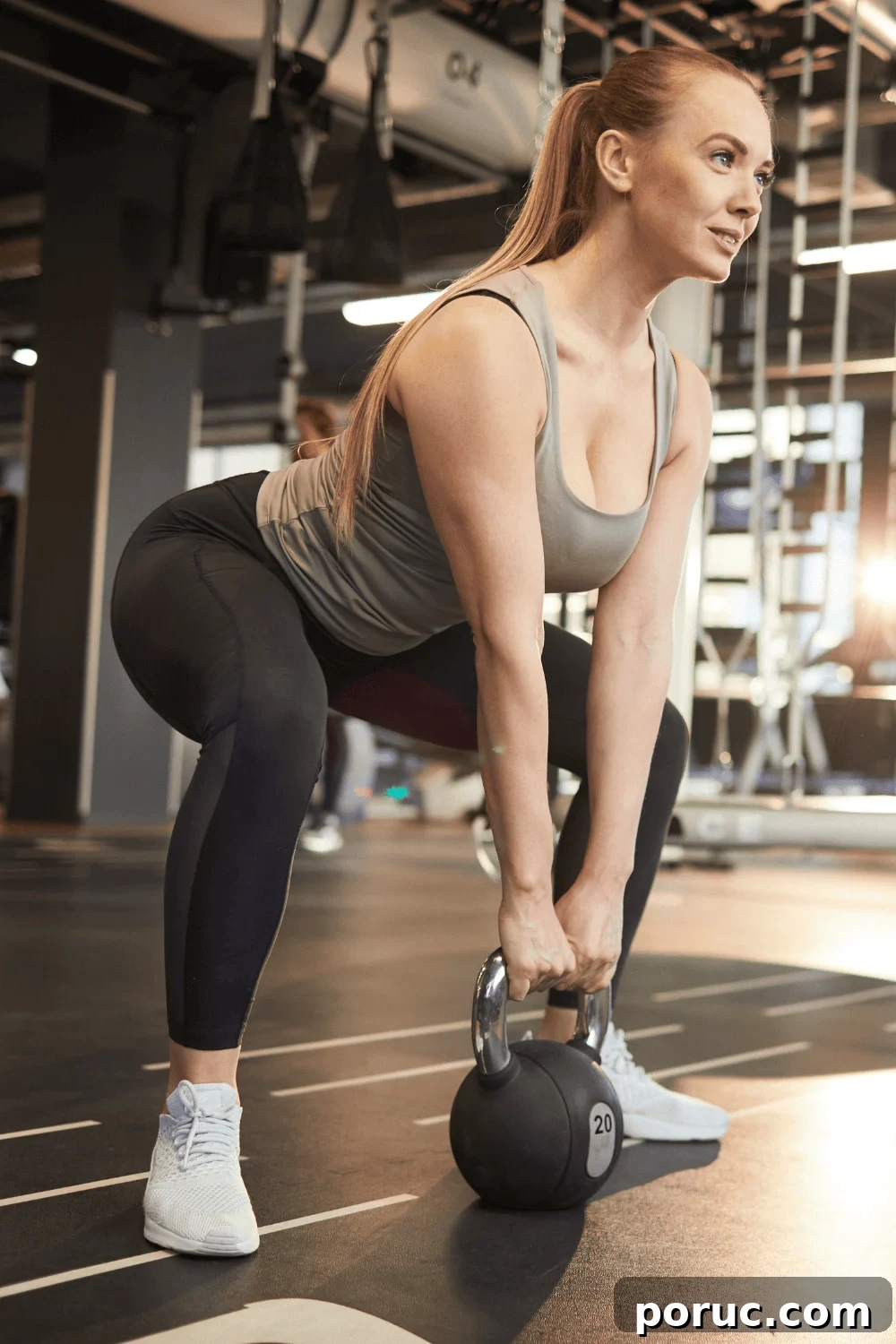
I won’t lie: the reality of activewear is disheartening.
Most items on the market—from leggings to sports bras—are made largely from plastic-based fibers. That’s a problem for both human health and the environment.
Performance fabrics often shed microplastics in the wash, contaminating waterways, soil and food, and many are treated with chemicals that can transfer to skin.
I work out a lot—lifting, high-intensity dance classes, walks—so finding non-toxic leggings that actually perform was important to me.
I wasn’t just looking for safer materials; I wanted leggings that hold up during workouts and remain durable over time.
Organic sports bras are increasingly easy to find that are comfortable and supportive (for smaller chests, at least). Shirts are simple too: any cotton tank or tee will do. But non-toxic leggings are a different challenge. They need to stretch, stay opaque, and survive repeated movement.
I’ve worn Girlfriend Collective leggings for years and they remain supportive and squat-proof, but they’re made from recycled plastic bottles. I wanted to find options that avoid plastic as much as possible.
Below are reviews of several (mostly) plastic-free, non-toxic activewear brands and practical tips for making leggings more squat-proof.
Why, how, & what I tested:
- Why I’m Trying to Ditch Synthetic Leggings
- What I Mean By “Squat-Proof”
- How I Tested the Leggings
- My Overall Thoughts On These Leggings
- My Tips for Making Your Leggings More Squat-Proof
- My 2025 Update on the Best Non-Toxic Leggings
- The Bioplastic Issue
- My Reviews On These 9 (Almost) Plastic-Free, Non-Toxic Leggings
This guide includes product recommendations. Some items were gifted and some were purchased. We only recommend products we believe in.
Why I’m Trying to Ditch Synthetic Leggings
Conventional activewear frequently contains microplastics, endocrine-disrupting chemicals, antimicrobial finishes, and other potentially harmful substances. These can affect long-term health and harm the environment.
This article focuses on practical testing and recommendations rather than a deep dive into chemical details. If you want a deeper investigation into toxic chemicals in workout clothes, look for dedicated resources covering PFAS, polyester issues, and related concerns.
I also address why small amounts of spandex typically used with natural fibers aren’t my primary concern when the base fabric is natural or organic.
What I Mean By “Squat-Proof”
By “squat-proof” I mean the fabric is not see-through when stretched. This is a common problem across many brands, even large ones. See-through leggings appear when fabric thins during a squat or stretch and the underwear becomes visible.
Finding non-toxic leggings that are consistently opaque is tougher than you might expect, which is why I tested multiple brands.
How I Tested the Leggings
My test was straightforward:
- I asked my husband to help (any friend or family member can assist).
- I turned on bright lights and opened windows for lots of light.
- I wore patterned, full-bottom underwear to simulate a worst-case scenario for opacity testing.
- I performed a squat while my helper checked whether the underwear was visible through the fabric.
My Overall Thoughts On These Leggings
I genuinely liked nearly all the leggings I tried. Most were comfortable and kept their shape. Some had slightly less stretch than nylon-based leggings, but they still fit well and didn’t bag out over time.
Several pairs were borderline on the squat test. A few just barely failed; sizing up or choosing different underwear often solved the issue.
I’ll keep wearing almost all of these for workouts—sometimes choosing my underwear carefully or switching sizes depending on activity.
My Tips for Making Your Leggings More Squat-Proof
1. Size up. Leggings that are too small stretch more and can become sheer. If you’re between sizes, try the larger size for better opacity.
2. Pick darker colors. Black and darker shades hide more than light colors, which are likelier to appear see-through.
3. Choose appropriate underwear. Full-bottom black underwear or seamless options are less likely to show through. I tested worst-case bright patterned underwear and then compared with solid black full-coverage undies; the latter helped borderline leggings pass.
My 2025 Update on the Best Non-Toxic Leggings
After about a year and a half of wear, I updated notes on three attributes:
- Tummy control: how compressive each pair is.
- Durability: how they held up over time.
- Overall review: my current impression after extended use.
The Bioplastic Issue
Non-toxic activewear generally falls into three categories:
- Mostly natural (e.g., organic cotton with a small spandex blend).
- Semi-synthetics (e.g., TENCEL/lyocell).
- Plant-based plastics or bioplastics (e.g., fibers derived from castor beans).
Plant-based bioplastics perform well for stretch, compression and durability but are still plastics and may not be truly non-toxic. Semi-synthetics offer a middle ground, while all-natural fabrics are the gentlest on health but sometimes fall short on high-performance attributes.
Your choice depends on your priorities: workout type, preferred feel and how much you want to avoid plastic. If feasible, owning a few pairs in different materials gives the most flexibility.
My Reviews On These 9 (Almost) Plastic-Free, Non-Toxic Leggings
Below are concise reviews of the brands I tested. All listed brands use mostly natural or plant-based fabrics and avoid intentionally added BPA, PFAS, and similar harmful additives.
MATE
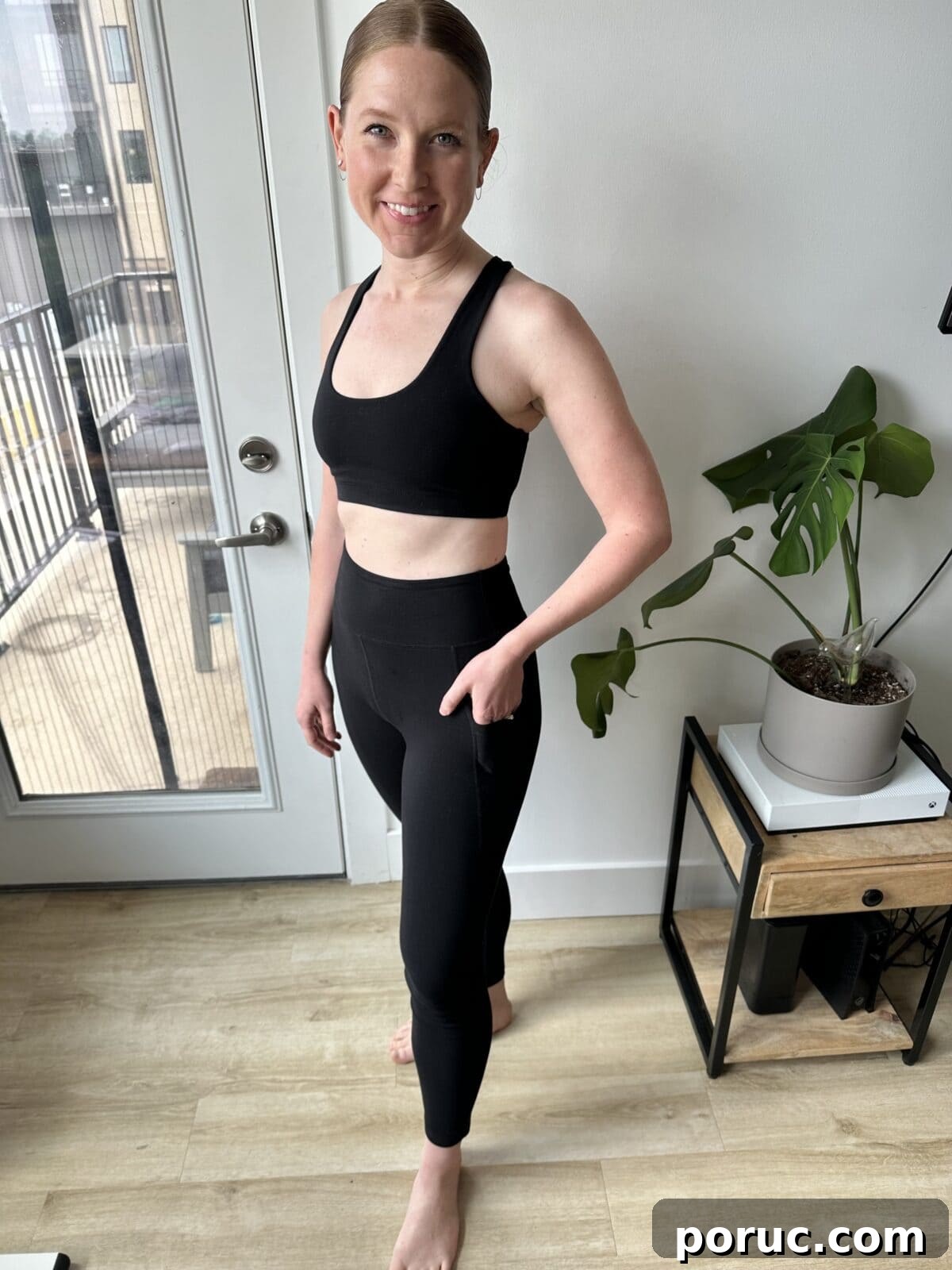
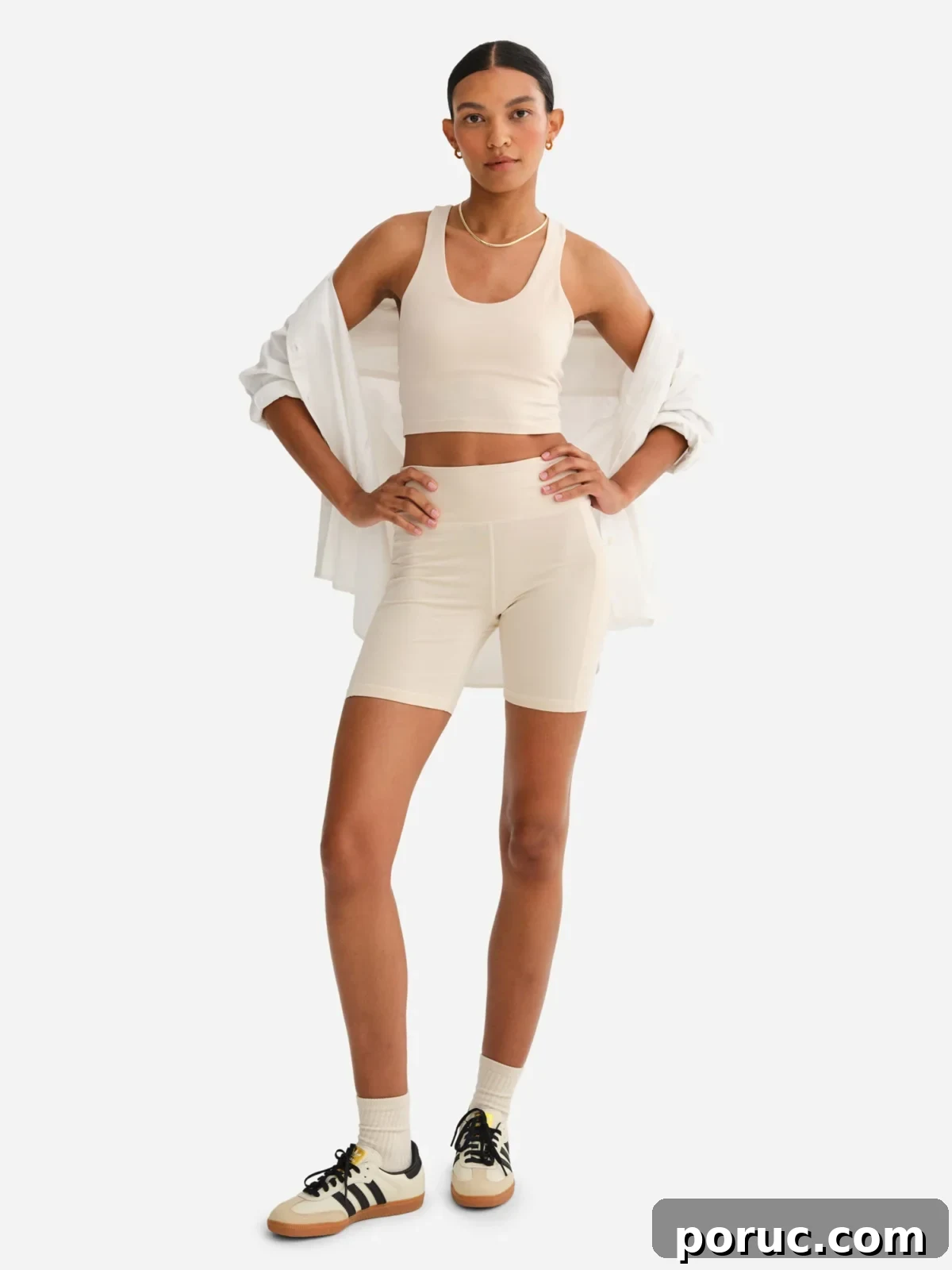
Overall: A great middle ground: comfortable, soft and ideal for low-impact workouts and everyday wear.
Squat-test: Passed after sizing up.
Material: 92% GOTS organic cotton, 8% spandex.
Tummy control: Moderate.
Durability: So-so — I experienced a small hole at the crotch seam that I repaired.
Pangaia
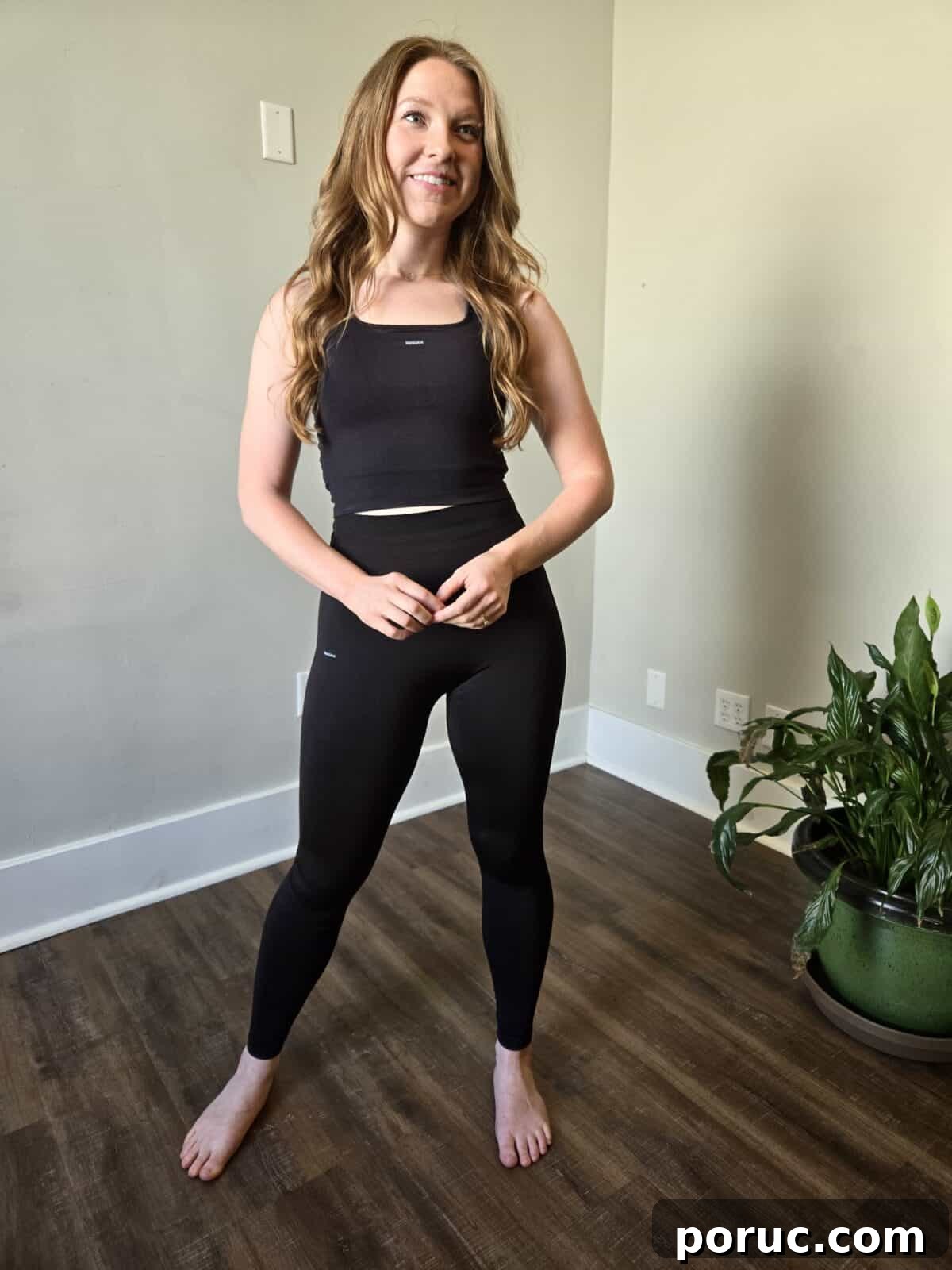
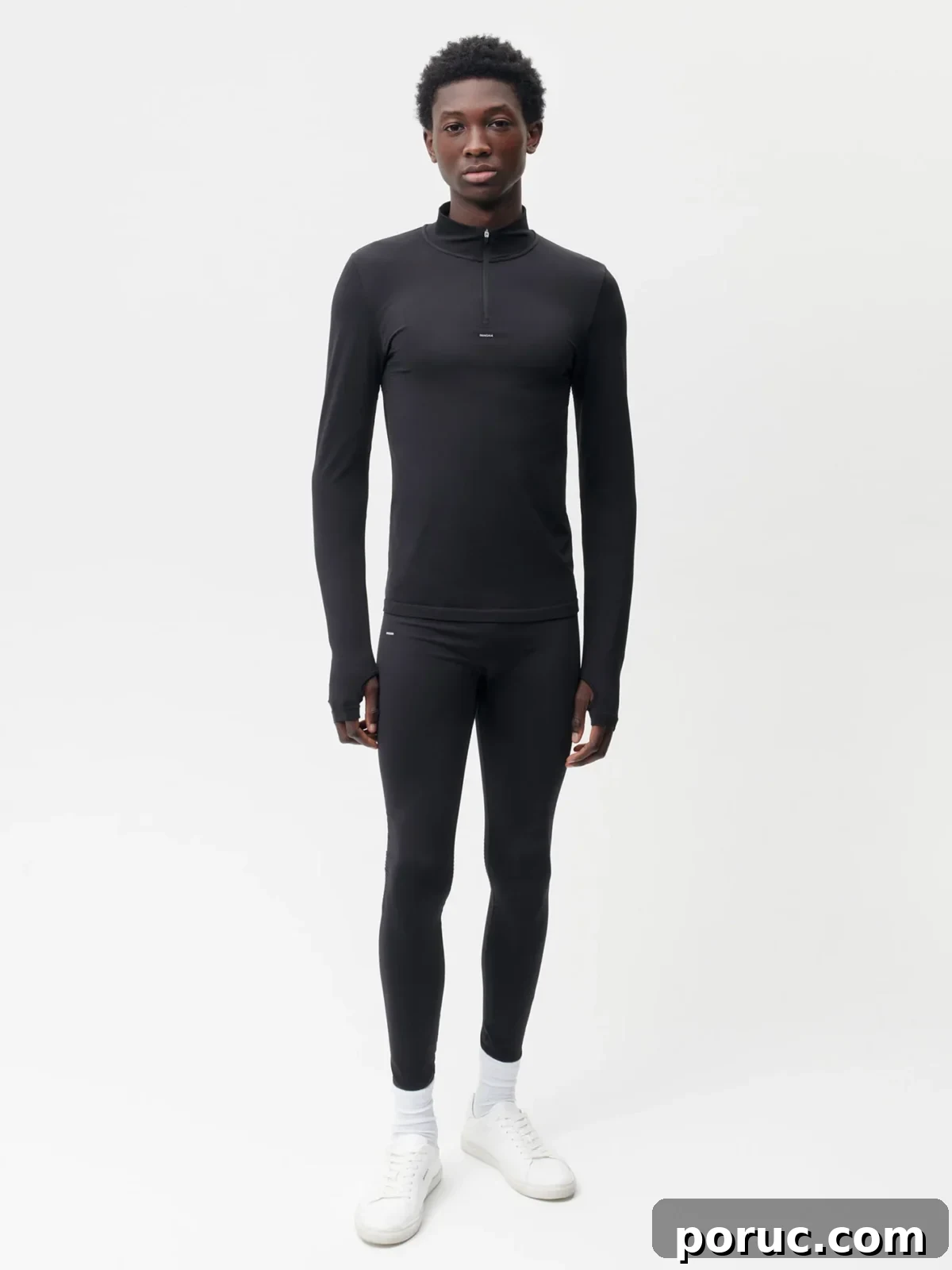
Overall: My top pick for high-performance non-toxic leggings. Very compressive, great stretch, and excellent durability.
Squat-test: Passed.
Material: Plant-based polyamide EVO® (high biobased content) with partially biobased elastane.
Tummy control: Excellent.
Durability: Great — no issues observed.
Reprise
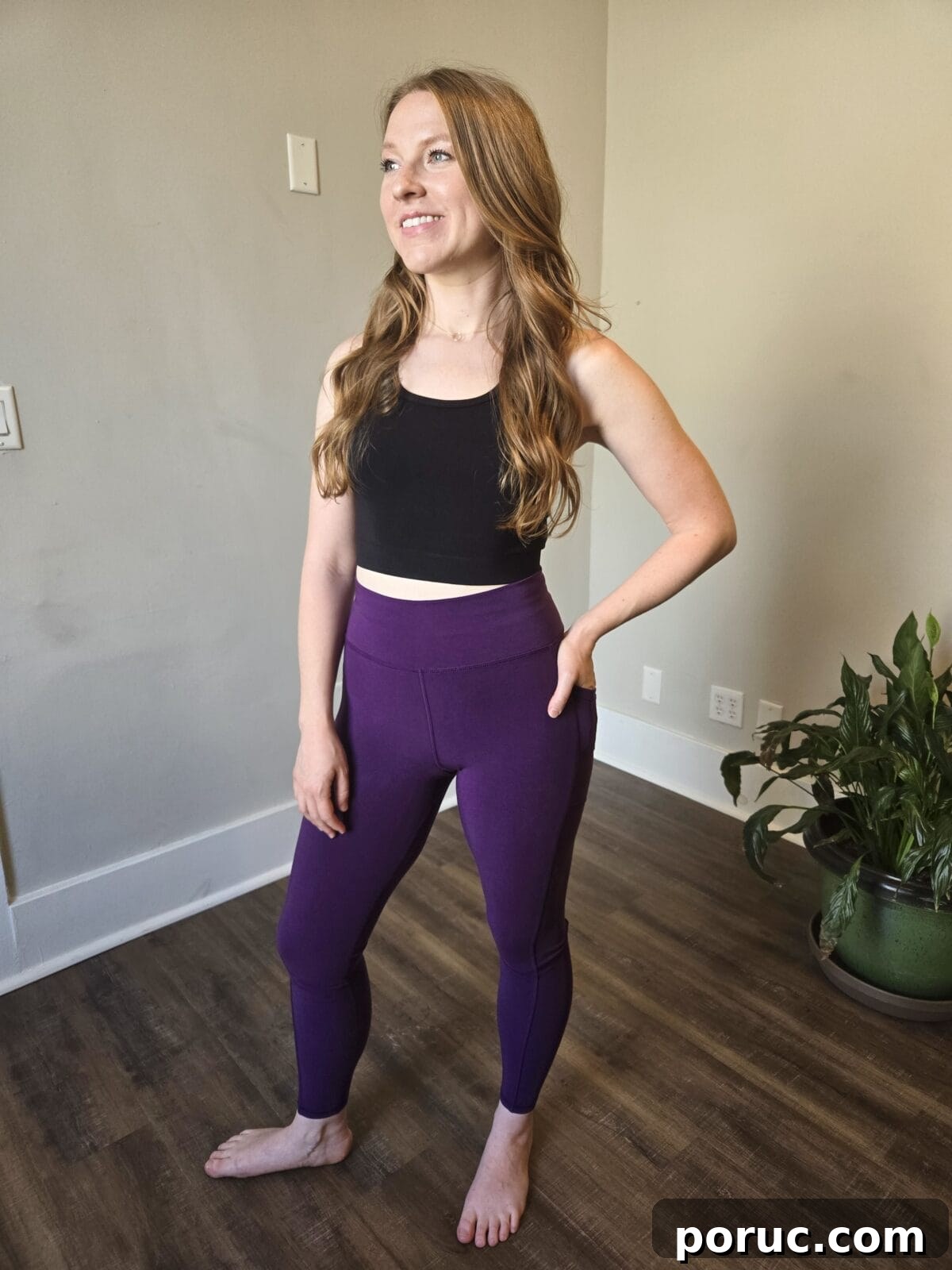
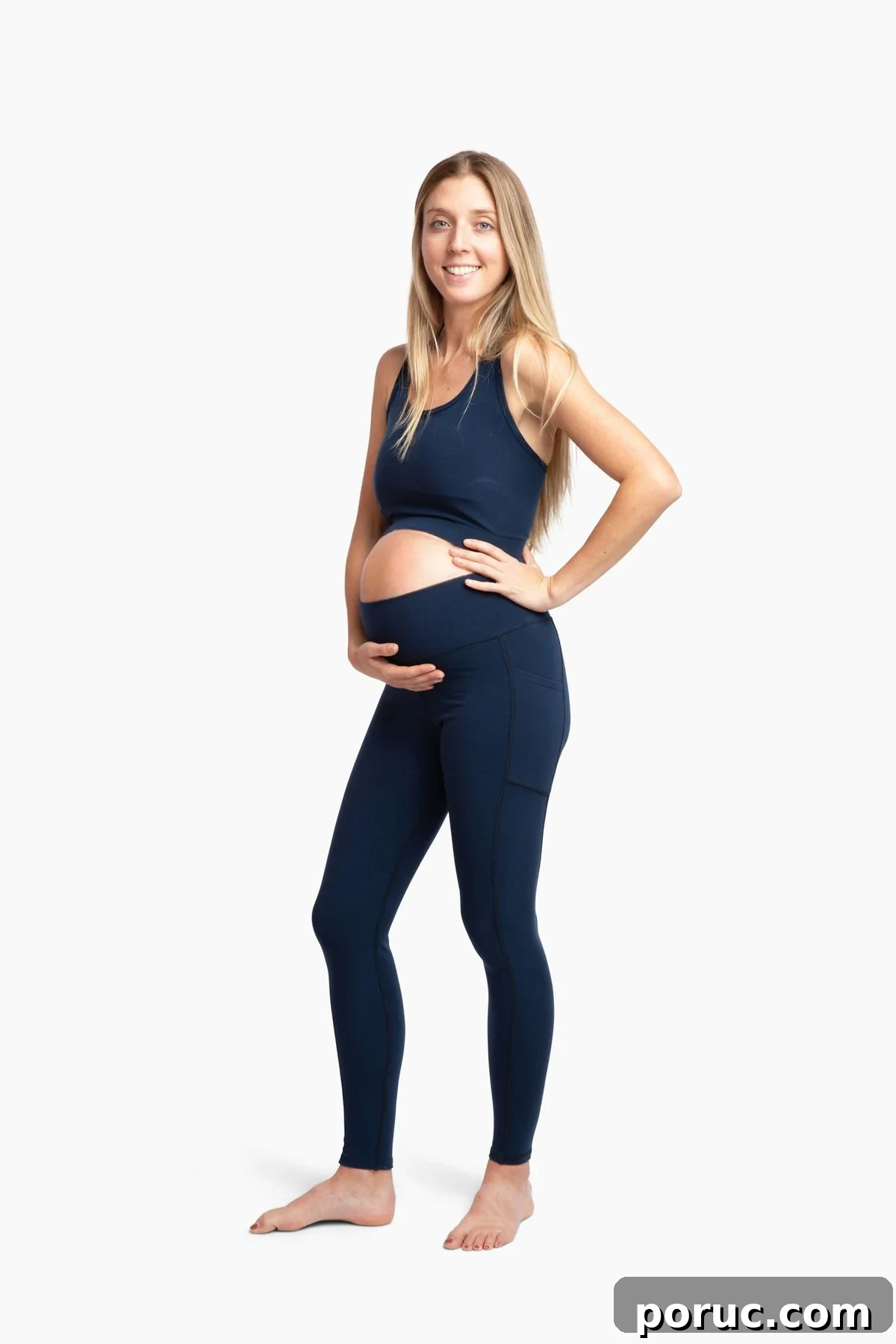
Overall: The TENCEL originals are soft and versatile; their Fusion line (plant-based polyamide + recycled spandex) performs more like conventional leggings.
Squat-test: Original — yes with size up; Fusion — passed.
Materials: Original: TENCEL + spandex. Fusion: Amni Soul Eco polyamide + recycled spandex.
Tummy control: Original — moderate; Fusion — good.
Durability: Good over a year of wear.
Tripulse
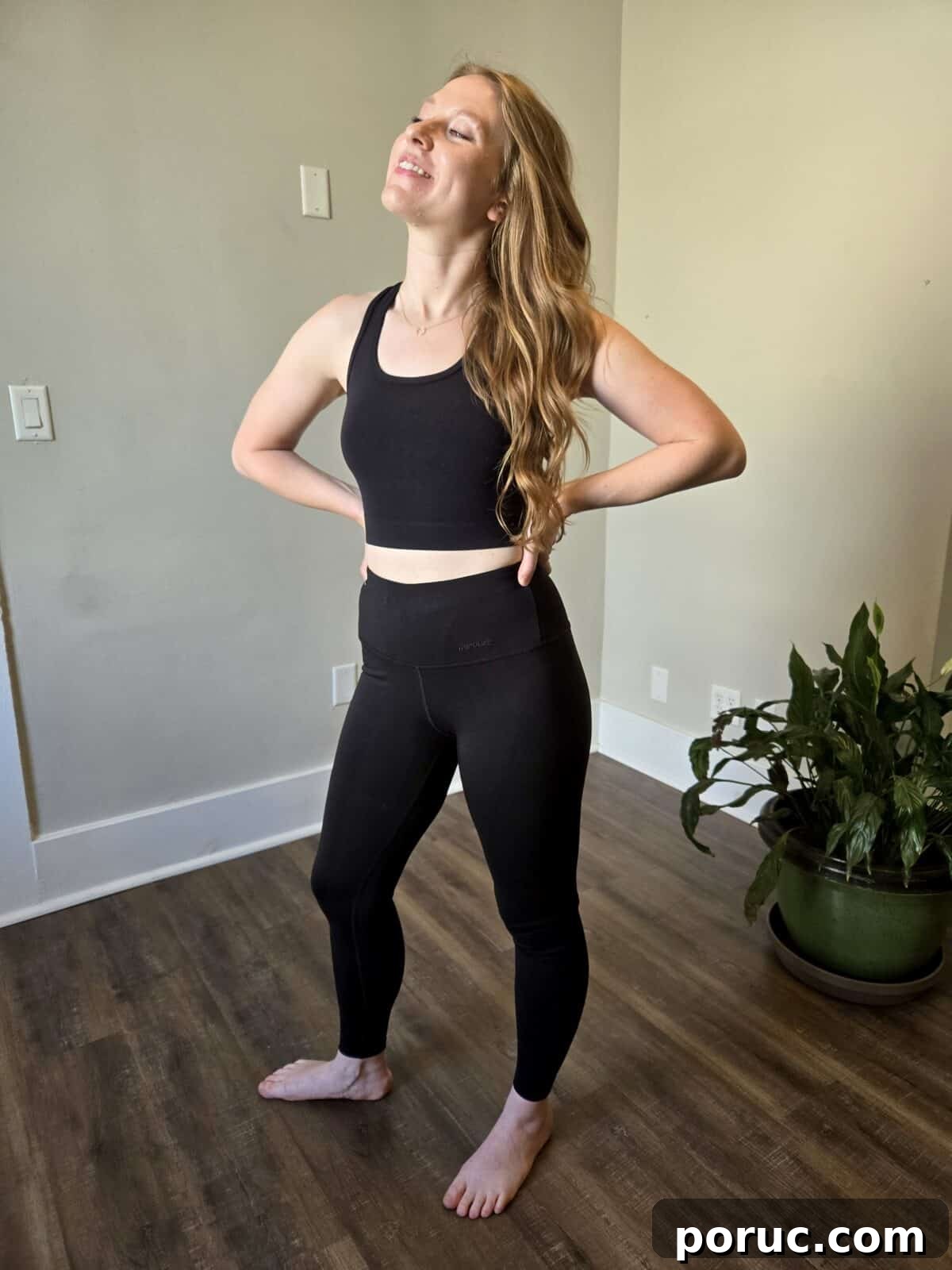
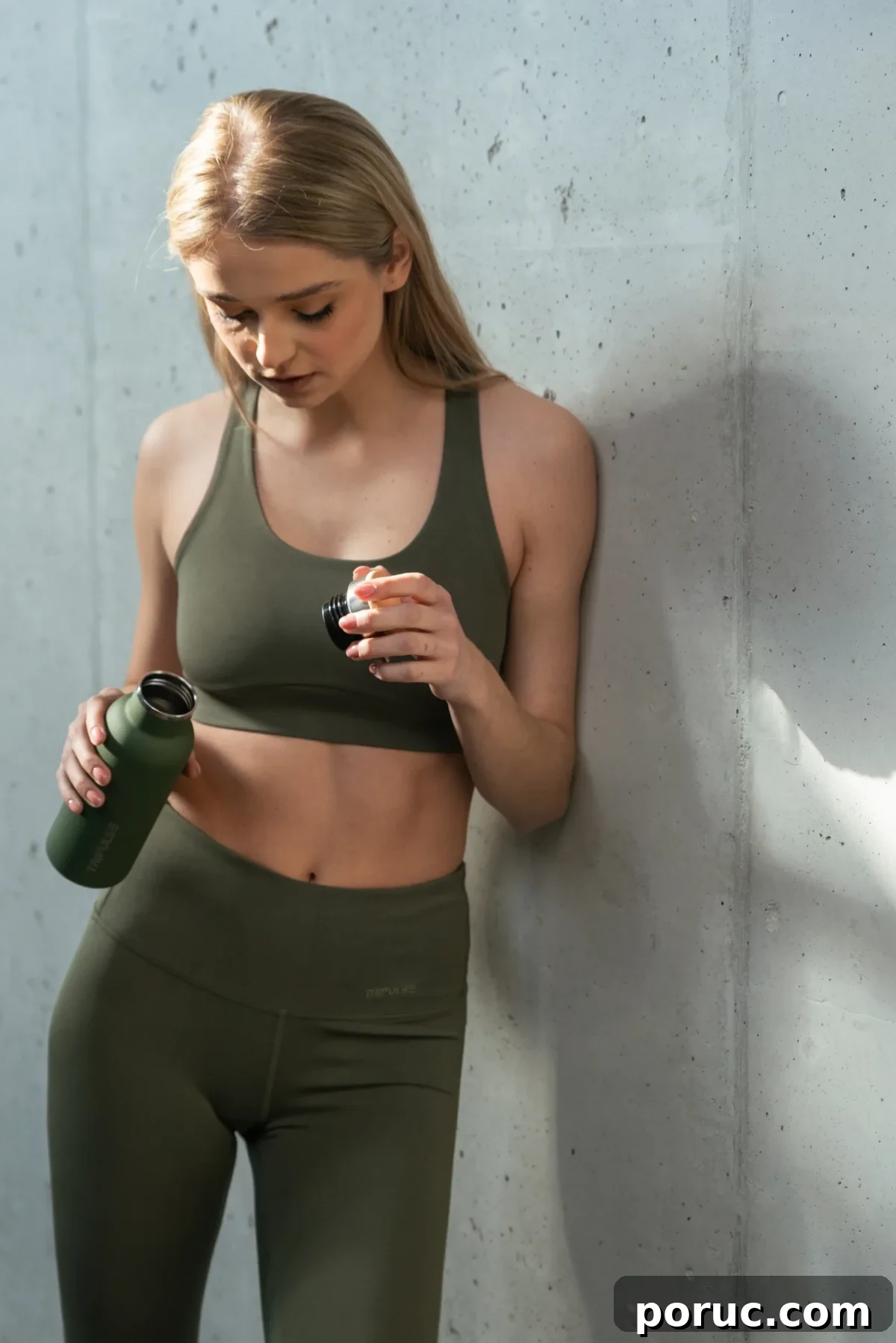
Overall: Compressive, cooling, and comfortable for intense workouts. Good certifications and solid durability.
Squat-test: Passed when sized up.
Material: Mostly TENCEL with recycled elastane.
Tummy control: Good.
Durability: Good.
Allwear
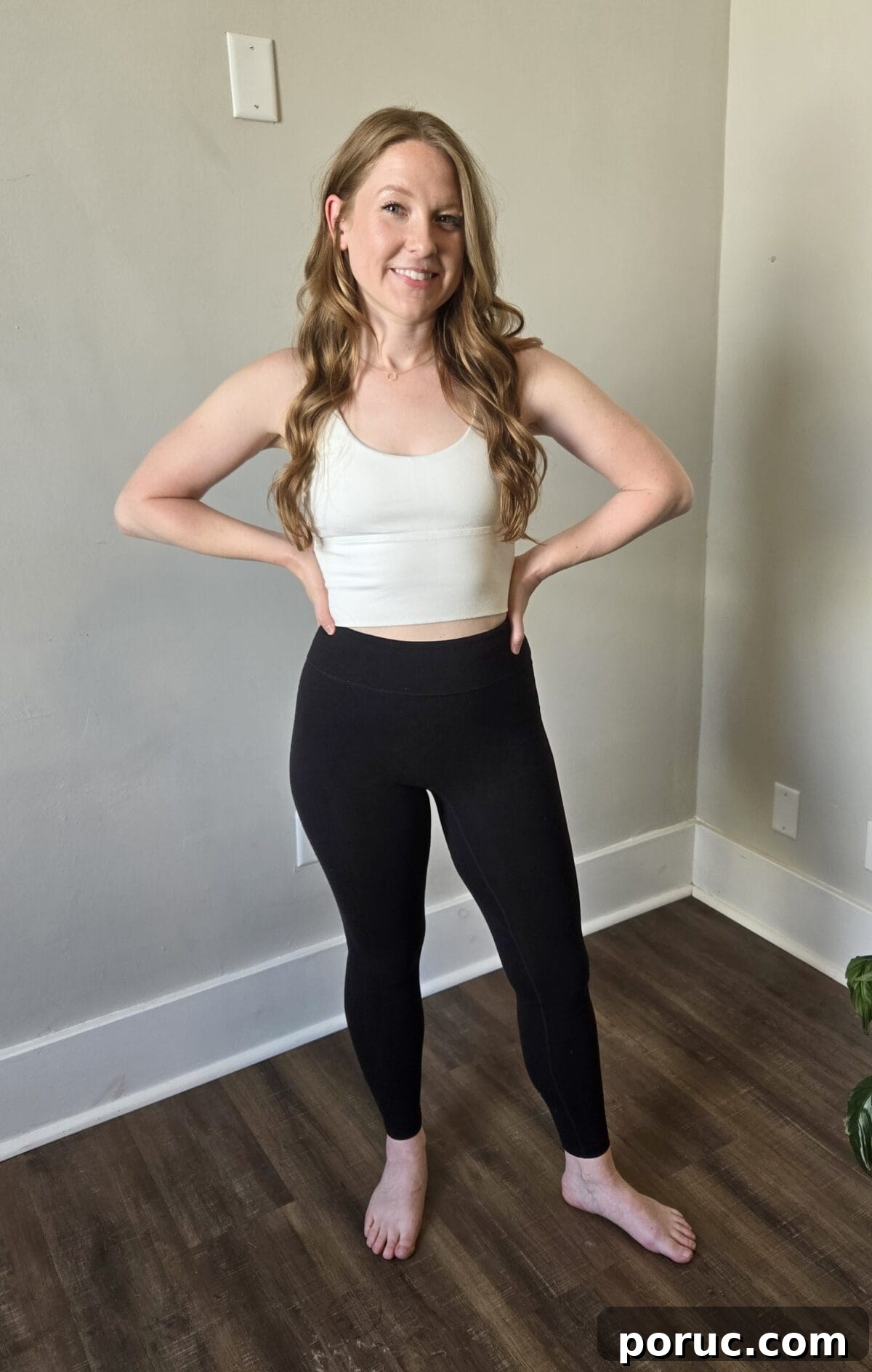

Overall: Comfortable and unisex with wide size range, but durability issues emerged over extended wear.
Squat-test: Just barely didn’t pass; try sizing up.
Material: Bamboo, organic cotton, elastane blend.
Tummy control: Good.
Durability: Some seam wear after a year.
Note: Some fulfillment and shipping delays were reported for Allwear as of January 2026.
Public Myth
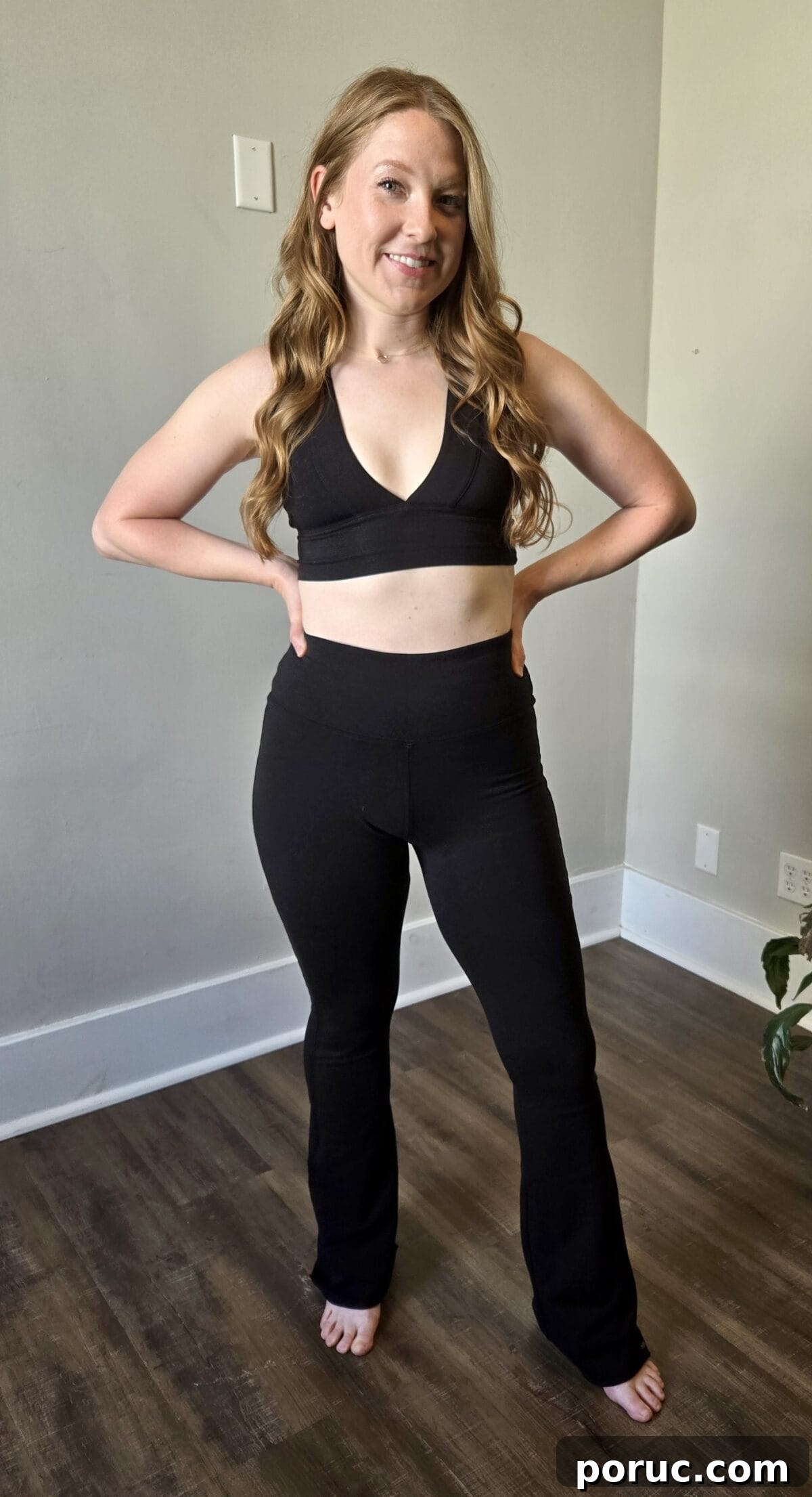
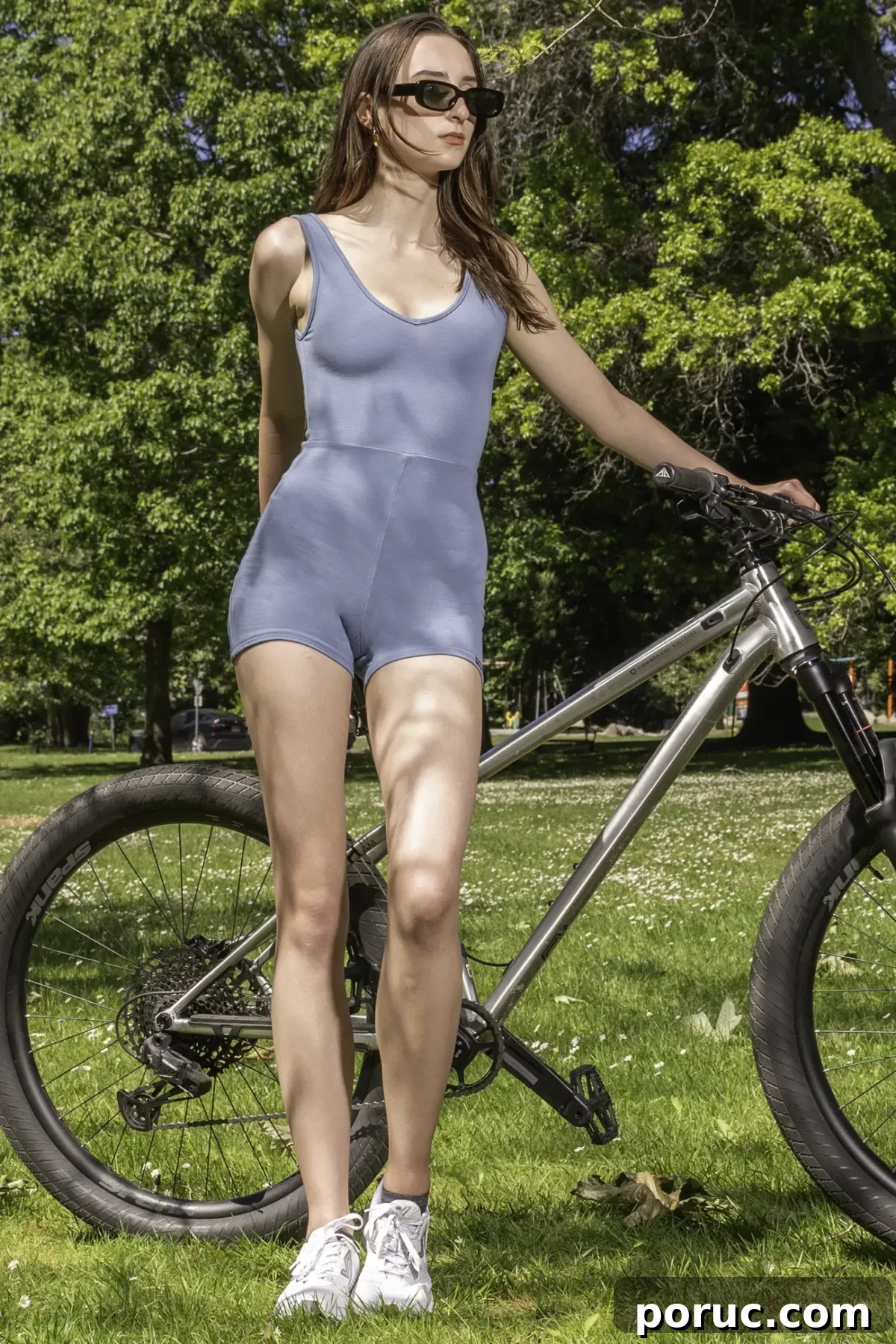
Overall: Super comfortable with a soft, lounge-like feel. I didn’t wear them often due to length and personal fit preference.
Squat-test: Just barely didn’t pass; sizing up may help.
Material: TENCEL, organic cotton, spandex blend.
Tummy control: Minimal.
Durability: Not enough wear to judge reliably.
Pact
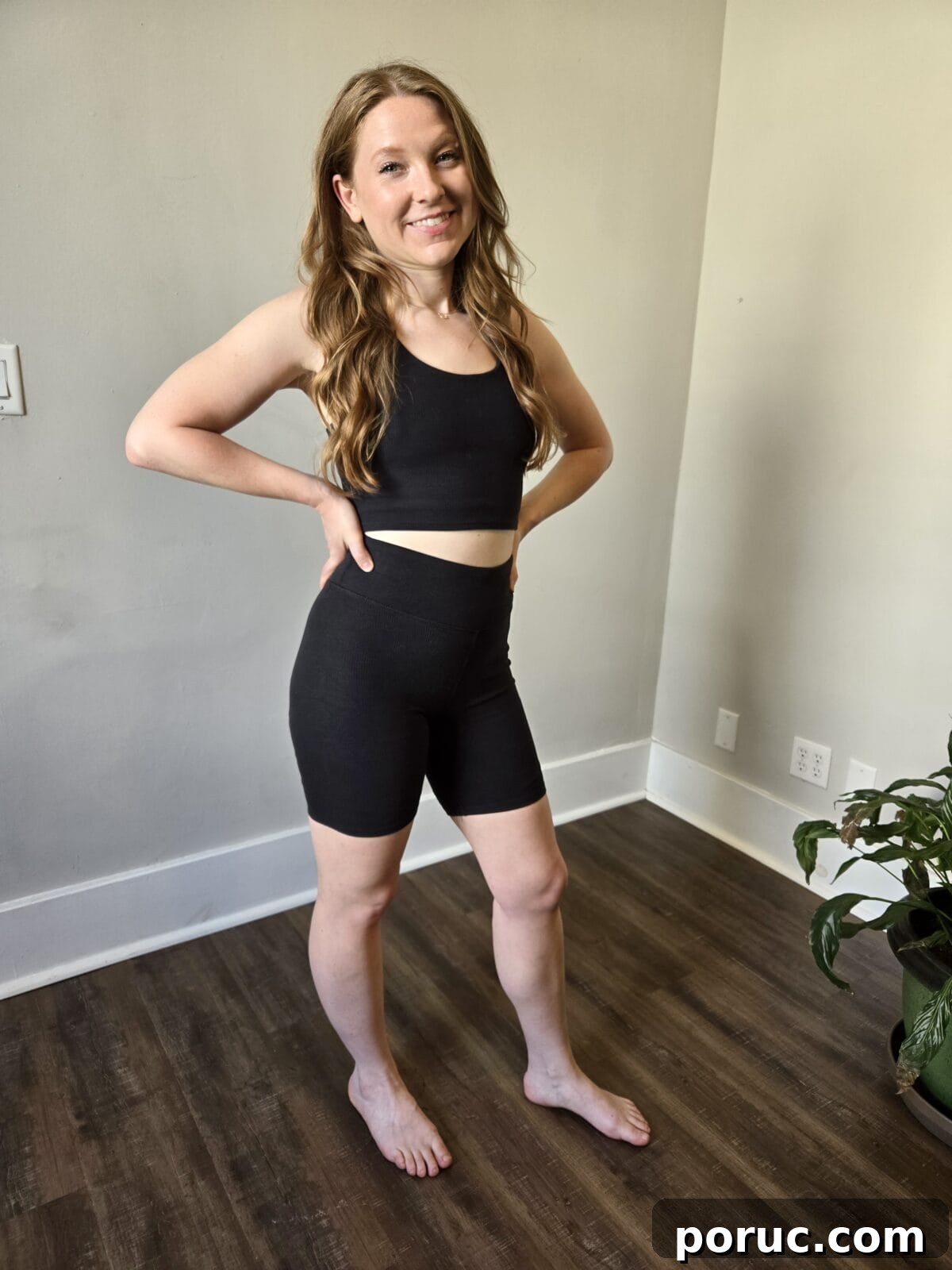
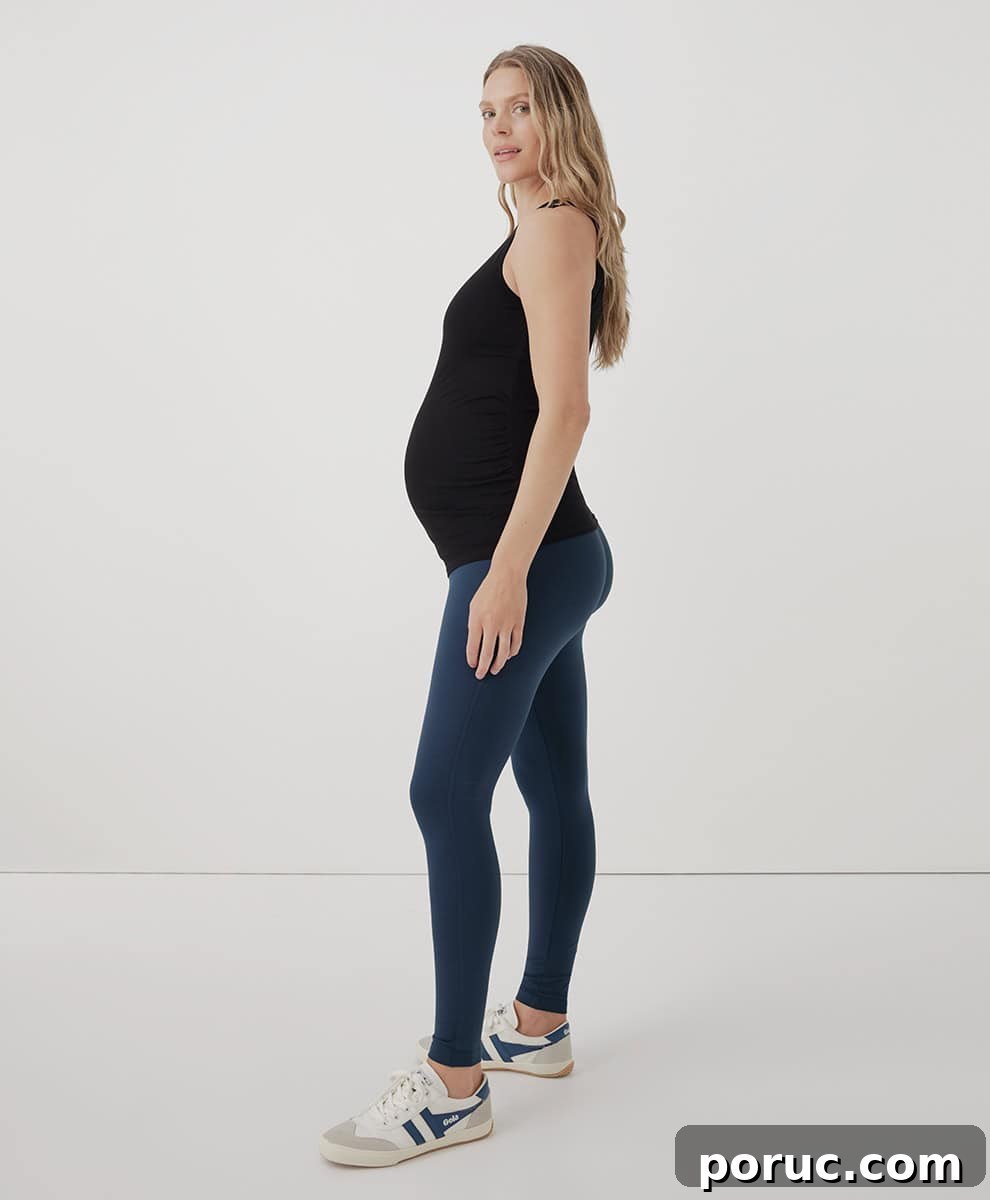
Overall: Comfortable everyday wear but not squat-proof. Great for working from home and casual use.
Squat-test: Did not pass.
Material: Organic cotton with elastane.
Tummy control: Moderate.
Durability: Good.
Organic Basics
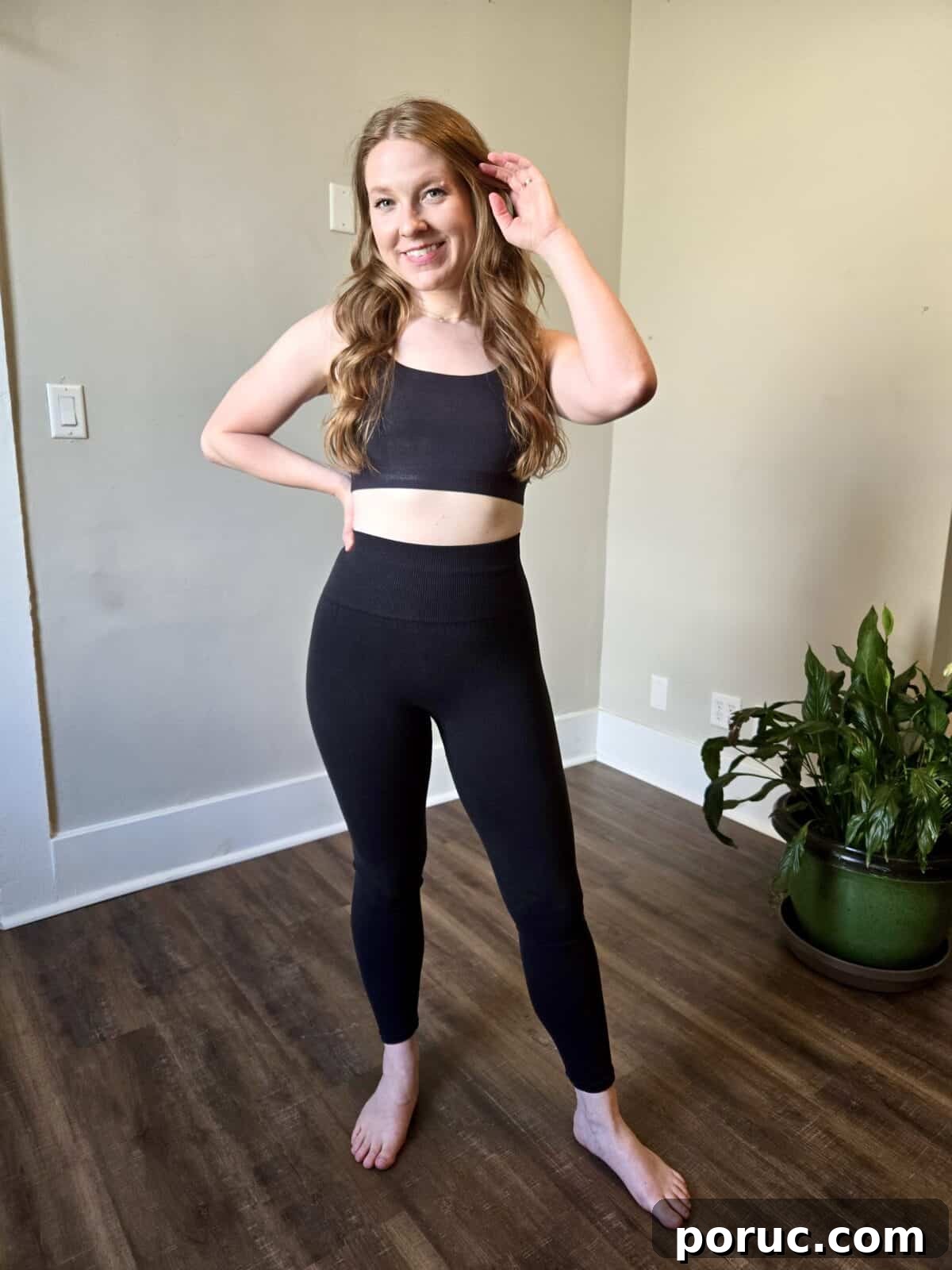
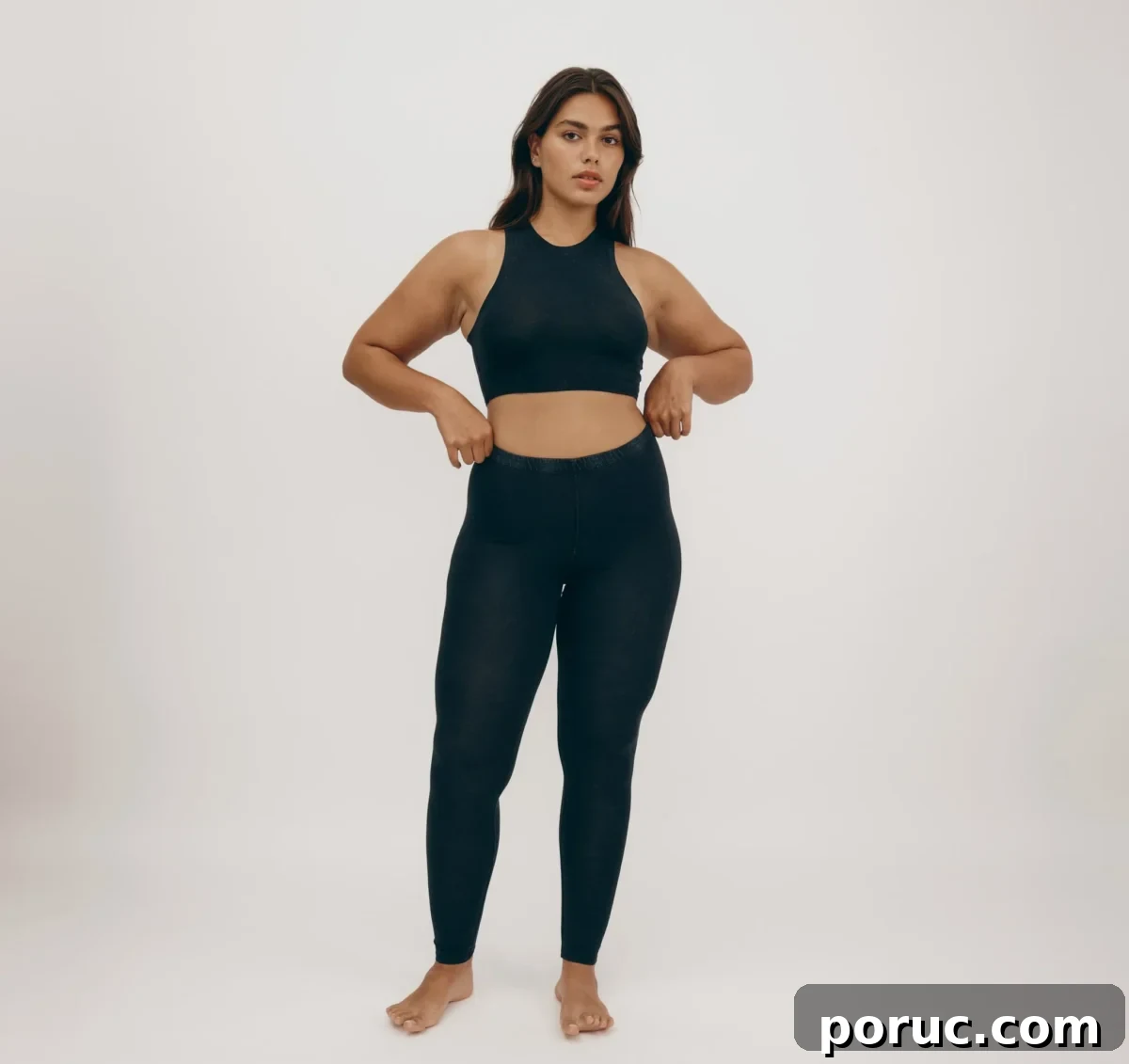
Squat-test: Didn’t pass on the Core Leggings.
Material: Mostly organic cotton with a small amount of elastane (varies by product).
Tummy control: Moderate to great depending on pair.
Durability: Some pairs thinned and developed small tears over time.
Happy Earth
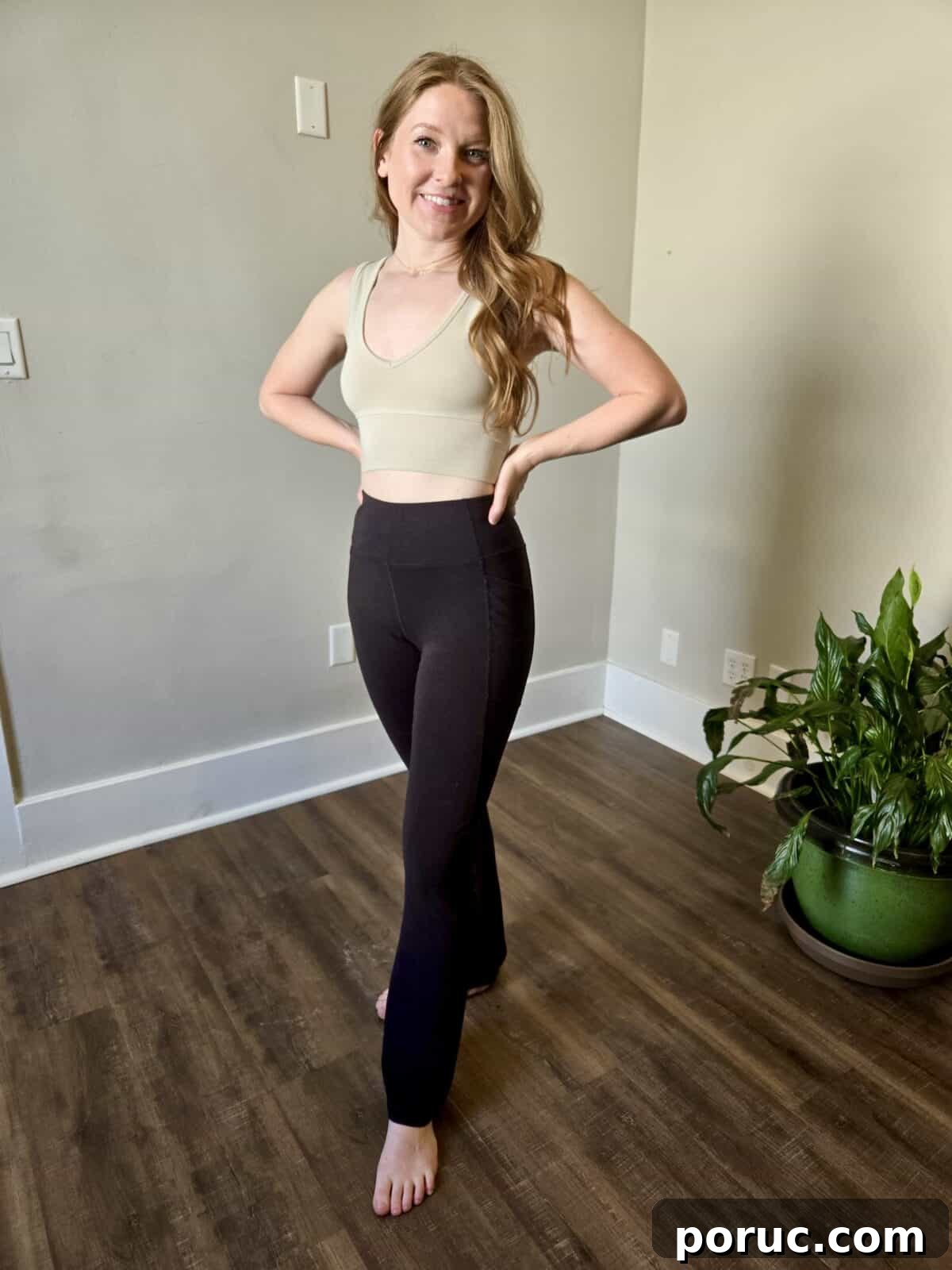
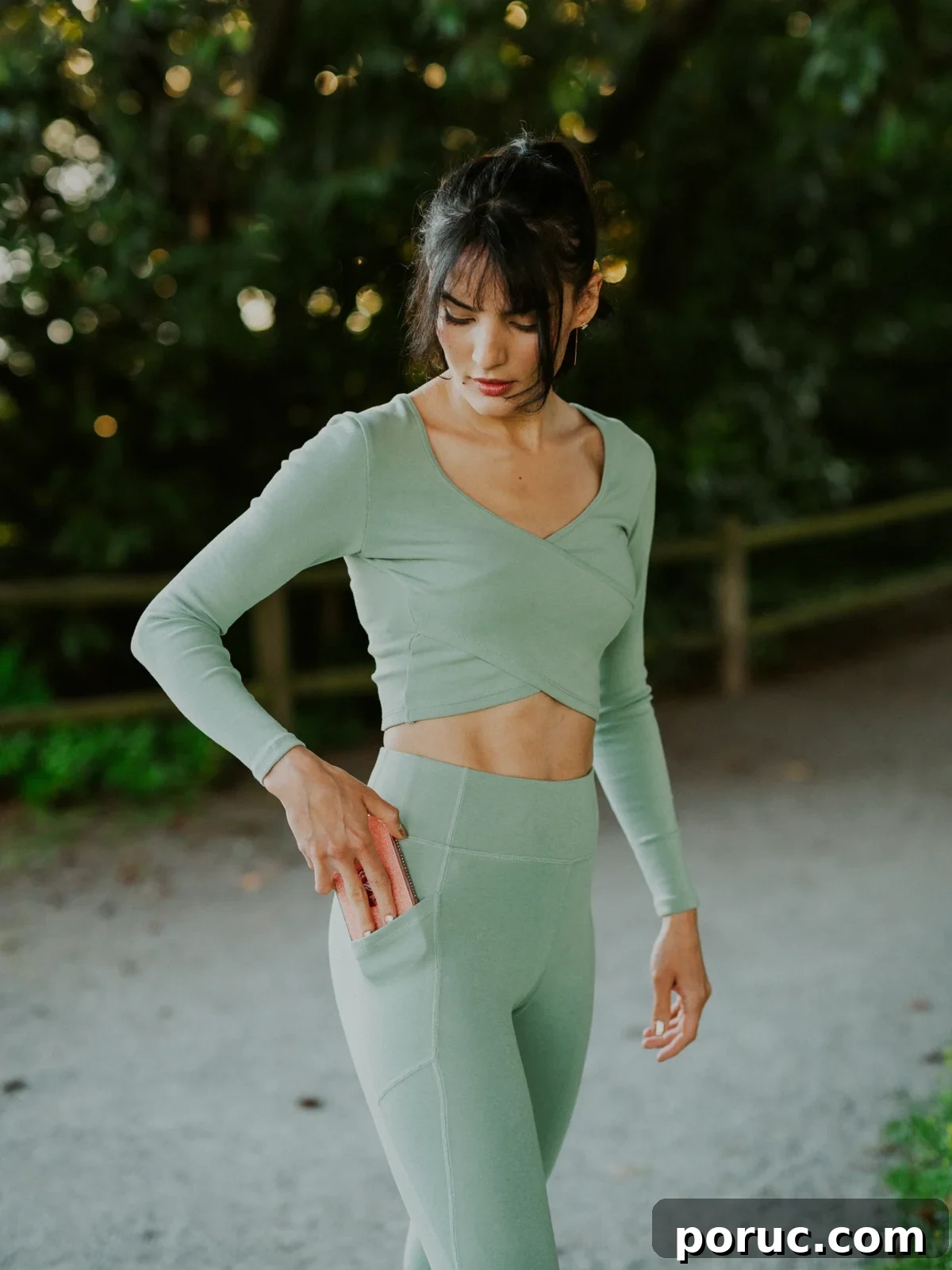
Overall: Comfortable and thicker than many natural leggings, which helped them pass the squat test. Not very compressive at the waist.
Squat-test: Passed.
Material: Mostly organic cotton with elastane.
Tummy control: Minimal.
Durability: Good.
Brands I’d Still Like To Try
- Aktiiv — bio-based and partly biobased nylon blends aimed at performance.
- Aya — 100% organic cotton with full transparency about components.
- Boody — bamboo, organic cotton, spandex and nylon blends; popular for comfort.
- Cottonique — GOTS organic cotton leggings suited for chemically sensitive skin.
- Groceries Apparel — organic cotton blends and tie-dye options, fan favorite.
- Maggie’s Organics — organic cotton/spandex with Fair Trade certification.
- Namarie — hemp-based options with bio-based elastane.
- Pansy — 100% organic cotton leggings, size-inclusive.
- Wellicious — organic cotton with compostable elastane and Cradle-to-Cradle certification.
What About These Brands?
- Athleta: Mostly synthetic but a few blends include cotton and TENCEL.
- Losano: Marketed as PFAS- and BPA-free and OEKO-TEX certified, but still largely plastic-based.
- Quince: Some OEKO-TEX-certified pieces but mostly plastic fabrics.
- Universal Standard: Some mostly-organic options with notable size inclusivity.
Related guides you might find useful include non-toxic yoga mats and non-toxic workout equipment recommendations.
I hope this guide helps you find non-toxic leggings that fit your workouts and values. If you want ongoing low-tox lifestyle tips and product picks, consider subscribing to a trusted newsletter run by independent, well-researched creators.
Thanks for reading—and happy sweating!