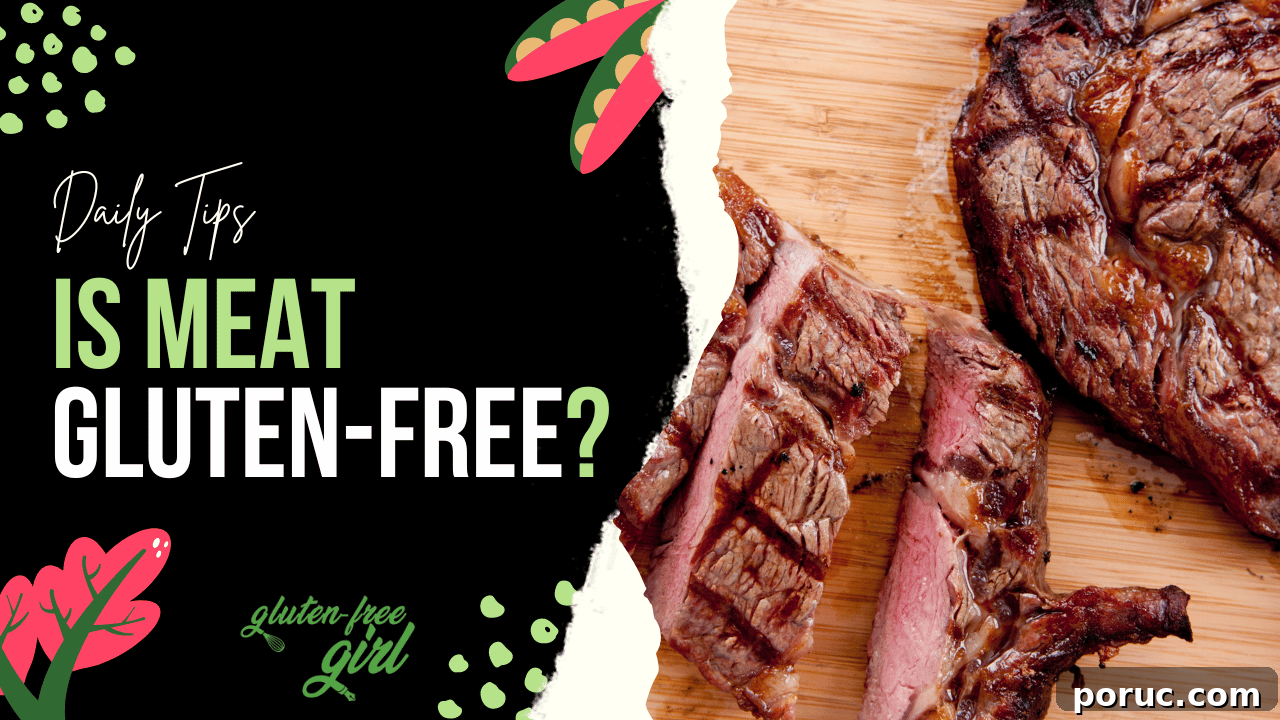
Yes, meat is gluten-free. Fresh, unprocessed meat naturally contains no gluten because it is derived from animal muscle and contains no wheat, barley, rye, or other gluten-containing grains. For people with celiac disease, non-celiac gluten sensitivity, or anyone following a gluten-free diet, plain cuts of meat are generally a safe and nutritious choice.
Unprocessed meat is a single-ingredient food, which minimizes the risk of gluten contamination compared with processed items. The main concern arises when meat is processed, seasoned, breaded, injected with solutions, or prepared with sauces that contain gluten. Reading ingredient labels and choosing products explicitly labeled gluten-free helps ensure safety for those with gluten-related conditions.
Meat is not a nut or grain product; it is an animal-derived source of high-quality protein, essential amino acids, vitamins, and minerals. Unlike plant-based foods such as nuts or grains, muscle tissue does not naturally contain gluten. Recognizing this distinction makes it easier to include meat in a variety of dietary plans, including gluten-free and paleo-style diets.
For people with celiac disease, strict adherence to a gluten-free diet is essential. Celiac disease is an autoimmune condition triggered by gluten ingestion in genetically predisposed individuals, and removing gluten from the diet is the only current medical treatment to prevent intestinal damage and associated complications. Eliminating gluten-containing ingredients from meat products and avoiding cross-contamination helps protect health and reduce inflammation for sensitive individuals.
The paleo diet is one example of an eating pattern that includes meat and excludes grains and most processed foods. Because it emphasizes whole, minimally processed items, meat naturally fits within a gluten-free approach when prepared without wheat-based additives or contamination.
Can a Patient with Celiac Eat Meat?
Yes. Plain, unseasoned meat is safe for people with celiac disease because it contains no gluten. Problems can occur when meat is combined with gluten-containing ingredients—breadcrumbs in patties, marinades made with regular soy sauce, or gravy mixes that contain wheat, for example. Patients should check labels, ask about preparation methods when dining out, and avoid shared surfaces or utensils that might introduce cross-contamination.
Research into celiac disease has clarified how gluten triggers an immune response and damages the small intestine in susceptible people. Given this mechanism, avoiding gluten-containing ingredients in meat dishes and preventing cross-contact are key steps for safe eating.
How is Meat Gluten-Free?
Meat is gluten-free by composition: it consists mainly of water, protein, and fat and does not include cereal grains. Fresh cuts such as steaks, roasts, chops, poultry, and fish are naturally free of gluten. The main risks arise with processed meats—sausages, some deli meats, breaded products, or pre-seasoned items—that may contain gluten in the form of fillers, binders, extenders, or flavorings.
To keep meat gluten-free, select simple cuts, verify ingredient lists for processed products, and be mindful of preparation methods that add breading, sauces, or marinades containing wheat-based ingredients. Cross-contamination on shared equipment or surfaces is another important consideration for those with celiac disease.
What Gluten-Free Recipes Can You Create with Meat?
Meat pairs well with many gluten-free recipes. Examples include:
- Gluten-Free Bacon Cheeseburger Pasta — use gluten-free pasta and plain ground meat or turkey with gluten-free seasonings.
- Skillet Tater Tot Casserole — use gluten-free tater tots and check any processed components for gluten.
- Gluten-Free Cheeseburger Soup — a hearty soup based on ground beef and gluten-free broth.
- Flavorful Gluten-Free Burgers — make patties from 100% ground meat and serve with gluten-free buns or lettuce wraps.
- Gluten-Free Cottage Pie — meat filling topped with mashed potatoes, using gluten-free gravy or cornstarch as a thickener.
- Beef Burritos — use gluten-free tortillas or bowls and ensure fillings and sauces are gluten-free.
- Cowboy Hamburger Soup — robust, gluten-free beef-based soup.
- Loaded Nachos — use gluten-free chips and seasoned meat without gluten-containing spices or sauces.
- Beef Enchilada Skillet — skip wheat-based sauces and use gluten-free alternatives.
- Gluten-Free Stuffed Shells — use certified gluten-free pasta shells if available, or substitute with other gluten-free pasta.
- Korean Beef Bowl — make with gluten-free tamari or coconut aminos instead of soy sauce to keep it safe.
Are Hot Dogs Gluten Free?
Hot dogs themselves—plain meat sausages—can be gluten-free, but you must check ingredients and watch for cross-contamination. Many modern products are labeled gluten-free; look for that certification and inspect ingredient lists. Also be careful with buns, condiments, and shared cooking surfaces. Homemade hot dogs or certified gluten-free brands give better control over ingredients.
Is Bacon Gluten Free?
Bacon is naturally gluten-free, but processing and shared equipment can present a small risk of cross-contamination. Most plain bacon products do not contain gluten ingredients, but always read labels and check for processing statements if you are highly sensitive.
Is Sausage Gluten Free?
Sausages may or may not be gluten-free. Fresh sausages made from meat and spices without fillers are generally safe, but many sausages contain breadcrumbs, wheat starch, malt, or other gluten-containing additives. Look for brands that declare “gluten-free” or have independent certification, and be cautious about cross-contamination in processing facilities.
Is Chicken Gluten Free?
Yes—plain chicken is gluten-free. The risk comes from batters, breading, marinades, and sauces that include gluten. Cross-contamination during processing or cooking can also introduce gluten, so confirm ingredients and use clean surfaces and utensils.
Is Salami Gluten Free?
Salami can contain gluten depending on the curing ingredients and additives used. Some cured deli meats include binders or flavorings with gluten, so check labels and choose brands that specify gluten-free processing when needed.
Is Steak Gluten Free?
Steak, in its unprocessed form, is gluten-free. Watch for marinades, rubs, sauces, or breading that may introduce gluten, and avoid shared cooking surfaces that haven’t been properly cleaned.
Is Turkey Gluten Free?
Plain turkey is gluten-free, but some whole birds are injected with basting solutions that may include gluten-containing ingredients. Choose unadulterated turkeys or verify ingredient lists during holiday preparations and discard flavor or gravy packets that contain gluten.
Is Beef Gluten Free?
Fresh beef is gluten-free. Studies and food analyses support that beef does not contain measurable levels of gluten, even from grain-finished cattle, because gluten proteins are broken down during digestion in animals. Still, processed beef products should be checked for added gluten-containing ingredients.
Are Hamburgers Gluten Free?
Homemade hamburgers made from 100% ground beef are gluten-free. Pre-formed patties or restaurant burgers may include breadcrumbs or fillers that contain gluten. Verify ingredients and preparation methods, and request gluten-free buns or serve as a lettuce wrap when dining out.
How do you Keep Meat Dishes Gluten-Free?
Key practices to maintain gluten-free meat dishes:
- Start with whole, fresh cuts of meat and avoid pre-seasoned or pre-breaded items unless labeled gluten-free.
- Prevent cross-contamination by thoroughly cleaning surfaces, utensils, grills, and cutting boards between uses.
- Use separate utensils and cutting boards for gluten-containing and gluten-free foods, or sanitize carefully between tasks.
- Choose gluten-free sauces, marinades, and thickeners (e.g., tamari, cornstarch) instead of soy sauce or wheat-based gravies.
- Check labels for hidden gluten in seasonings, fillers, and processing aids.
- Maintain good hand hygiene when preparing food and avoid shared serving utensils for mixed groups.
Marinades, shared utensils, reused sauces, and inadequately cleaned surfaces are common sources of cross-contamination. Taking simple precautions prevents accidental gluten exposure.
Does Corndog Have Gluten?
Traditional corndogs contain wheat flour in the batter and are not gluten-free. Gluten-free corndogs are available from specialty brands or can be made at home using gluten-free batter mixes.
Is there a Gluten-Free Liquor with Meat Ingredient?
Alcohols themselves vary in gluten content and production methods. Avoid using beer made from barley in marinades if you need to stay gluten-free. Many spirits distilled from gluten-containing grains are considered gluten-free by some authorities because distillation removes gluten proteins, but highly sensitive individuals may prefer certified gluten-free products or use naturally gluten-free options like tequila or rum for cooking. Always check labels and choose gluten-free sauces and reductions when combining alcohol with meat.
How Can You Prevent Gluten Cross-Contamination in Dishes Using Meat?
Prevent cross-contamination by keeping raw and cooked foods separate, using dedicated cutting boards and utensils, cleaning grills and prep surfaces thoroughly, avoiding shared marinades or sauces, and washing hands frequently. When in doubt, use products labeled gluten-free or prepare dishes at home where you control ingredients and cleaning practices.
Are Desserts with Meat Gluten-Free?
Desserts that include meat—especially those that incorporate traditional baking ingredients like wheat flour—are often not gluten-free. Many novelty desserts (bacon cookies, bread pudding with bacon, truffles with cookie crumbs) contain gluten via flour, bread, or crumbs. To keep desserts safe, use gluten-free flours and avoid cross-contamination in kitchens that handle wheat-based products.
Can I Add Meat for Gluten-Free Pasta Recipe?
Yes. Meat can be a great addition to gluten-free pasta dishes. Use certified gluten-free pasta made from rice, corn, lentils, or other gluten-free grains and ensure any sauces, seasonings, and meat preparations are gluten-free. Proper dough handling and correct cooking times are important if you make gluten-free pasta from scratch.
Is Fried Rice with Meat Gluten-Free?
Fried rice can contain gluten when soy sauce, oyster sauce, or other wheat-containing sauces are used. At home, use gluten-free tamari, coconut aminos, or certified gluten-free sauces and ensure the meat is not dusted with flour. Dining out requires asking about ingredients and cross-contamination risks.
Are All Food Products with Meat Gluten-Free?
No. While fresh, plain meats are gluten-free, many processed meat products contain added gluten through fillers, binders, marinades, or coatings. Always read ingredient lists, look for gluten-free labeling or certification, and be mindful of cross-contamination in processing or preparation to ensure safety for people with celiac disease or significant gluten sensitivity.