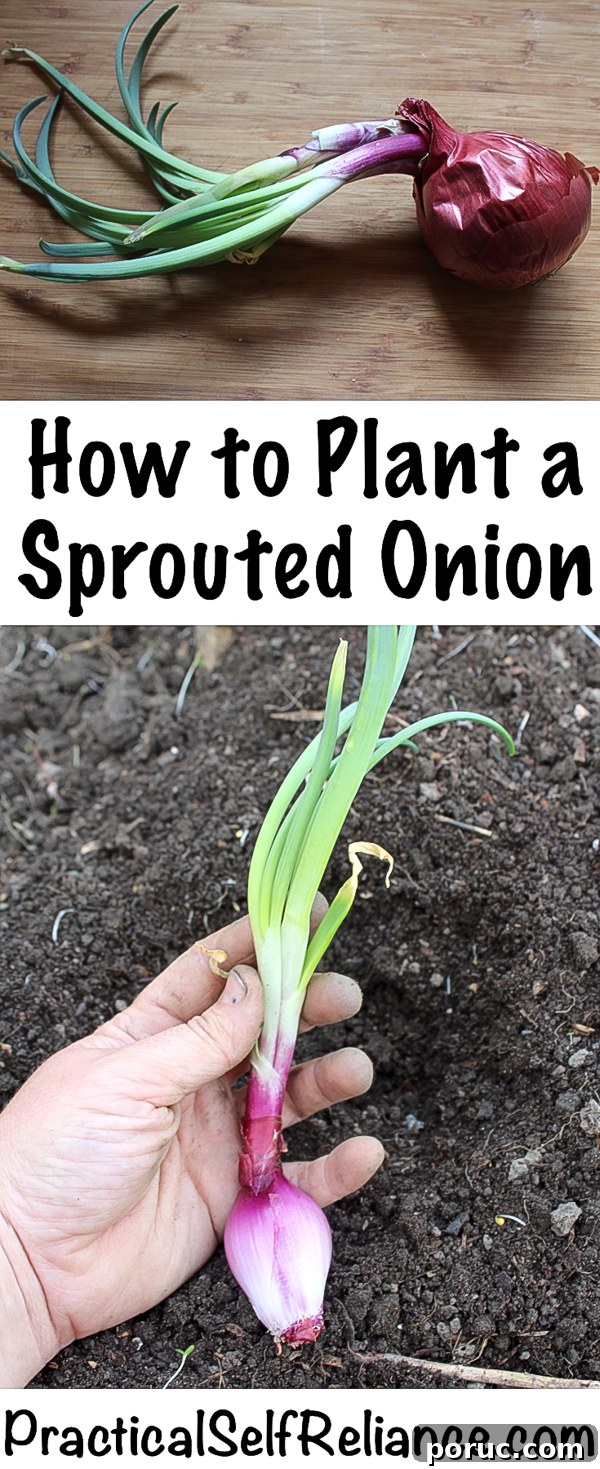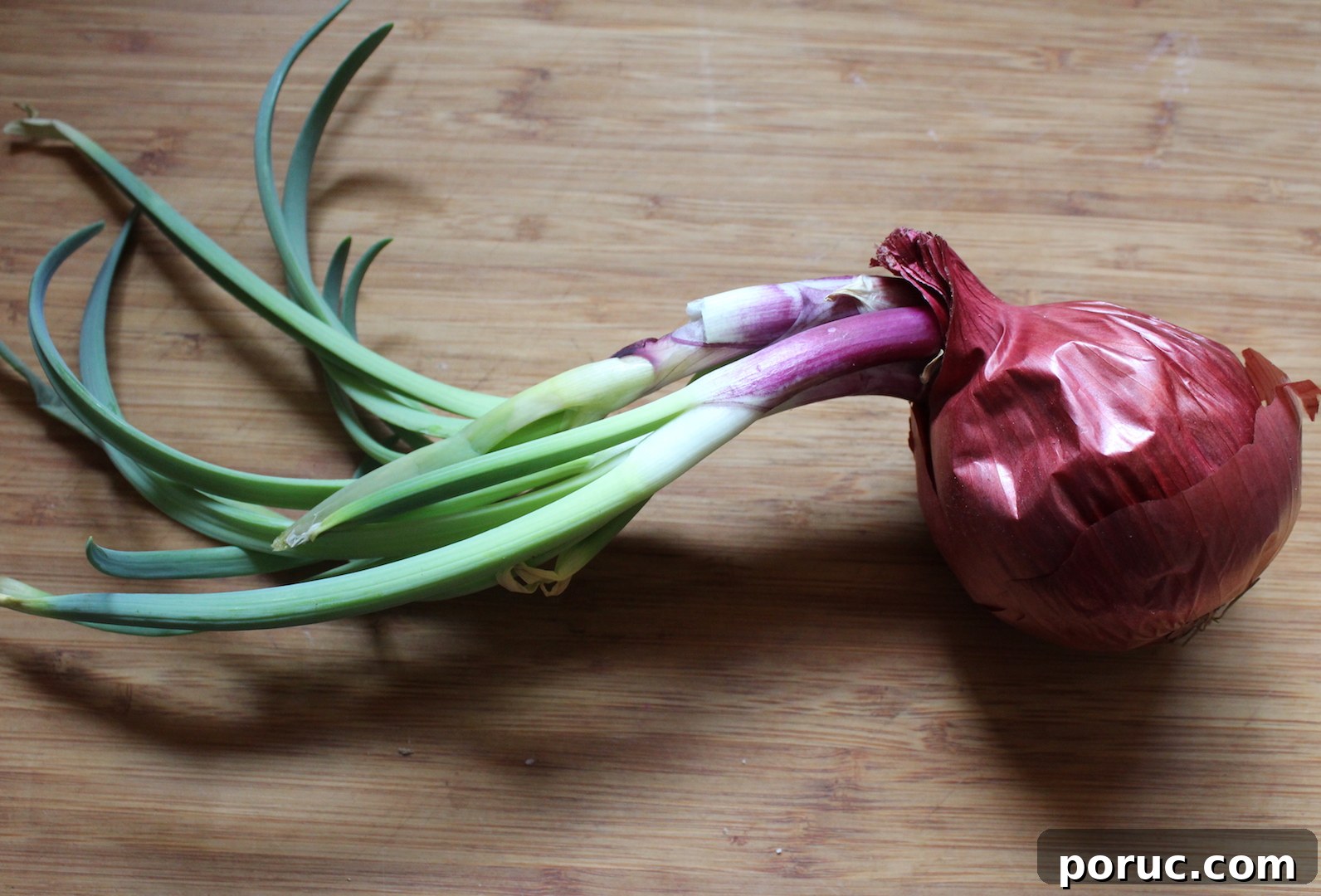
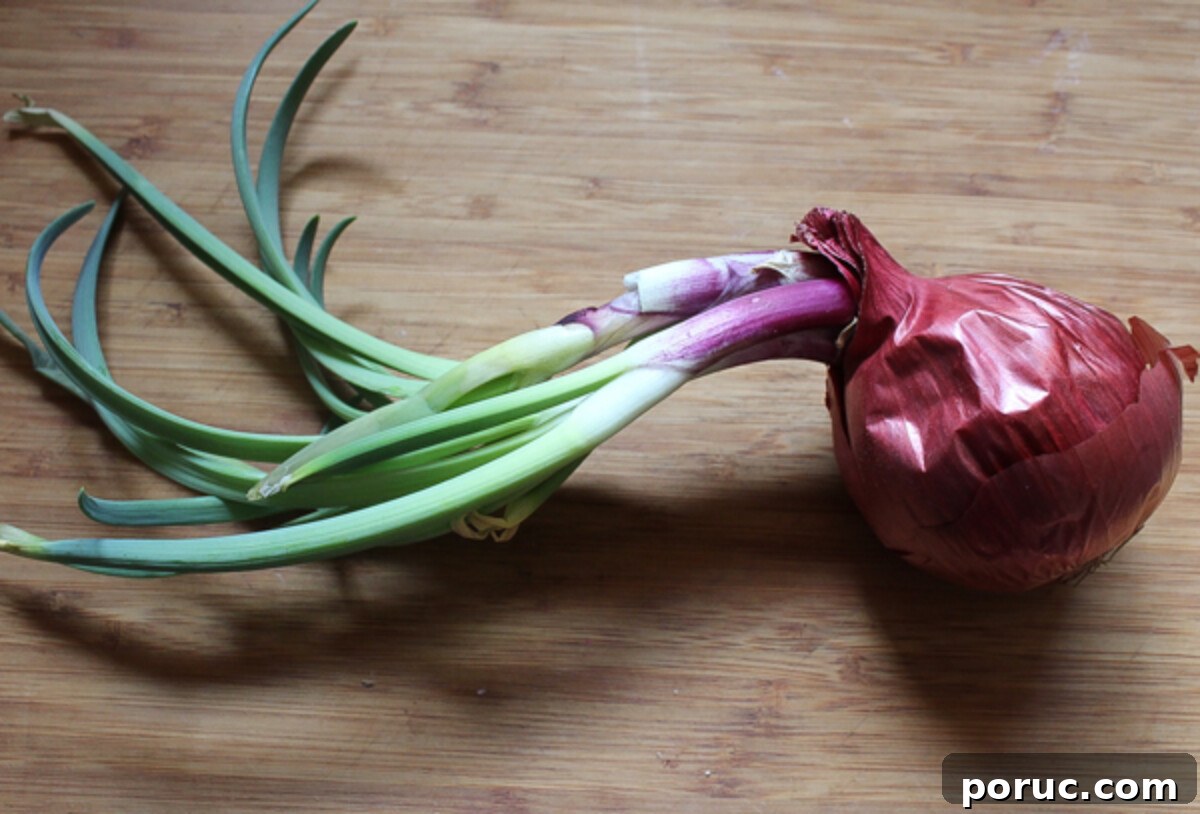
We’ve all found one: a lone onion hiding at the back of the bin that has started to sprout. Once onions leave cold storage and sit on supermarket shelves or in a pantry, they often wake up and try to grow. The outer layers dry and become papery as the bulb uses stored energy to push up green shoots.
A sprouted onion is still safe to eat as long as it hasn’t started to rot or grow mold. However, the interior has usually thinned out and there’s not much usable flesh left. Rather than forcing it into a meal, consider planting it — you can turn one sprouted bulb into several full-size onions by the end of the season.
Dividing a Sprouted Onion for Planting
Onions are commonly grown from seed, but a sprouted kitchen onion can be divided so each section grows into its own bulb. If left in the ground, some onions naturally split into multiple bulbs after a season. Those bulbs share space and resources, so they’re usually smaller and misshapen. Separating the divisions gives each one room to develop into a full-size onion.
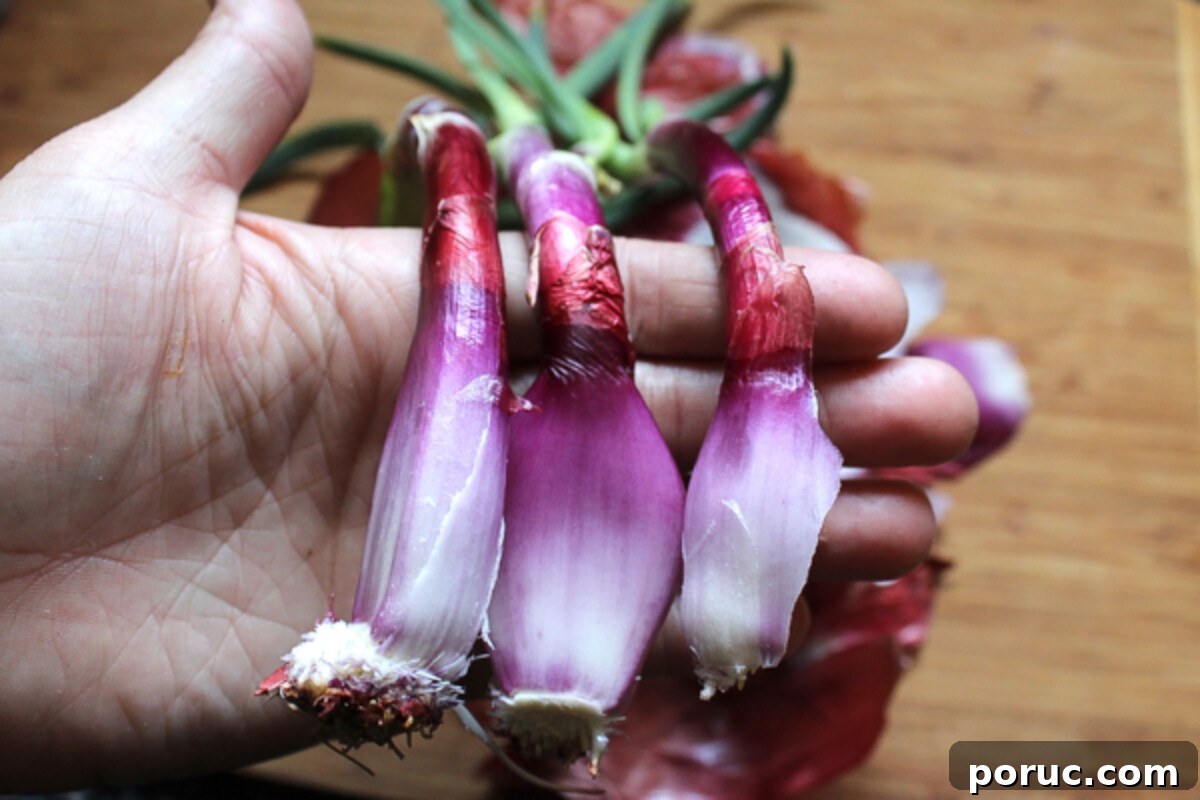
To divide a sprouted onion, peel away the dry papery outer layers until you reach the firmer layers beneath. Inside you’ll often find the bulb already sectioning itself into distinct plants. A single sprouted bulb may contain two, three, or more divisions — sometimes more than the visible green shoots suggest, so check thoroughly.
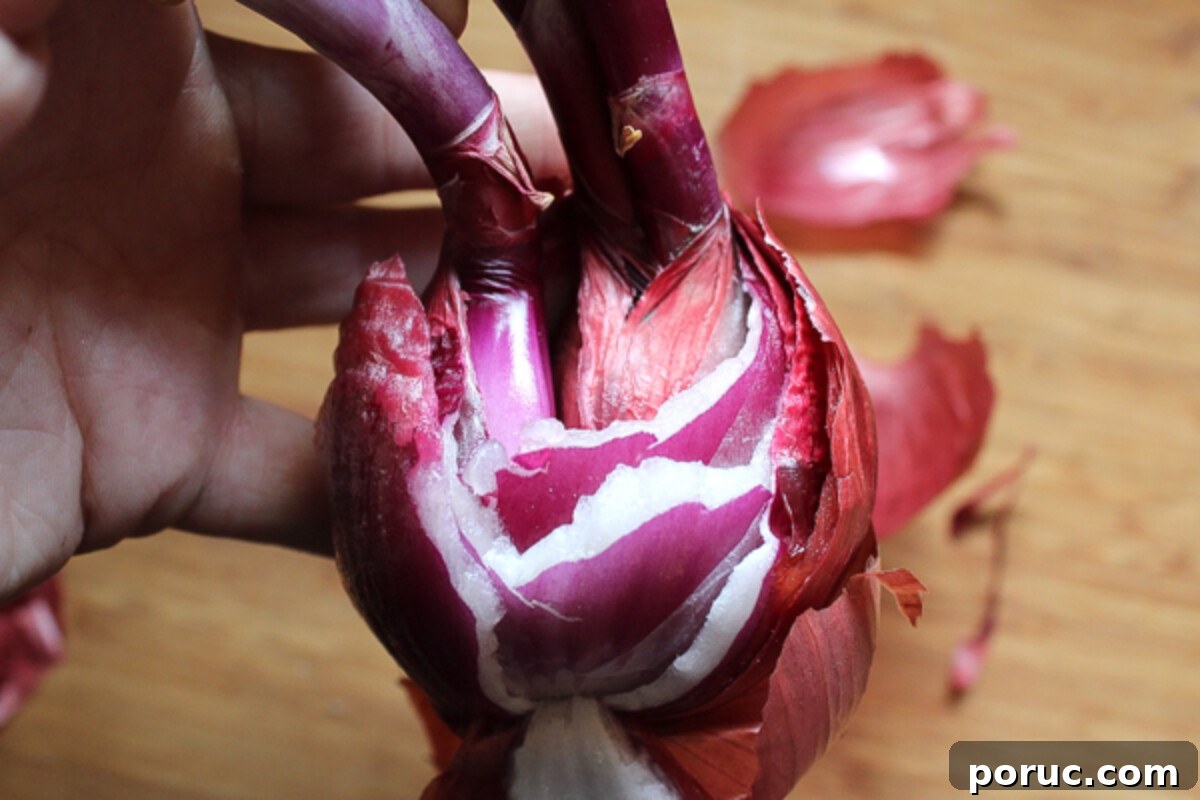
After you’ve removed the papery layers, separate the distinct onion sprouts gently. Each separated piece is essentially a small onion plant that can be potted up or set out into the garden.
How to Plant a Sprouted Onion
These small divisions are similar to commercially sold onion sets or starts. In colder regions with a short season, gardeners often buy small onion starts from warmer areas to give plants a head start. A sprouted kitchen onion works the same way: it’s already started growing, so you’ve effectively got a ready-made starter.
Once divided, you can plant the little onion plants directly in the garden or pot them up indoors. If spring is still cool where you live, harden them off gradually before planting outside. Onions tolerate a light frost, but sudden cold exposure after being kept warm indoors can shock the plants. If it’s still deep winter, keep them in pots and grow them indoors until conditions improve.
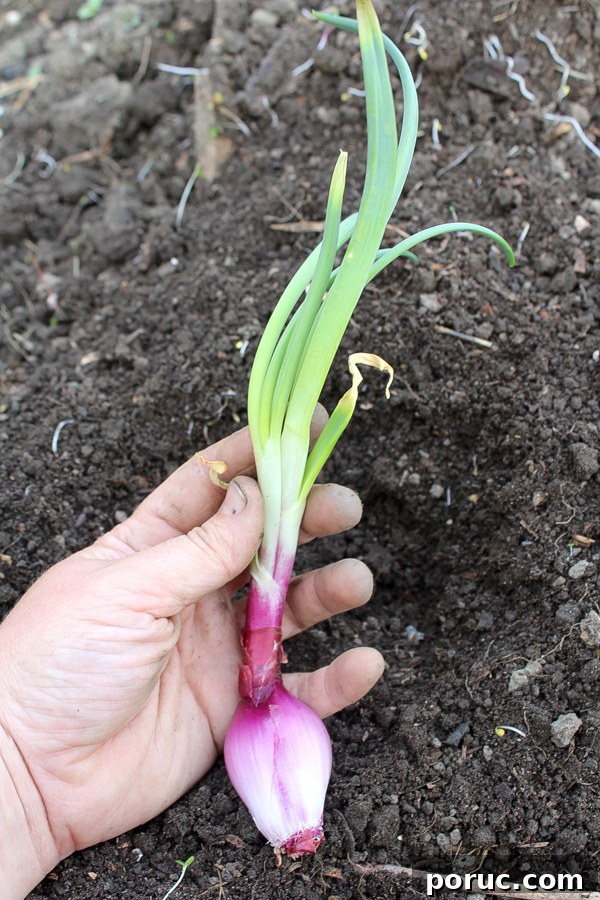
Onions need well-drained soil, consistent moisture, and a weed-free area to thrive. They don’t compete well with weeds, so regular weeding is important. Planting depth and spacing depend on the size of the divisions: set them so the top of the bulb is at soil level and leave enough room for bulbs to expand.
With started plants, gardeners usually harvest onions about 65 to 80 days after planting, though timing varies with the initial bulb size and variety. Because you’ve given the plants a head start compared with sowing seed, they often reach maturity sooner.
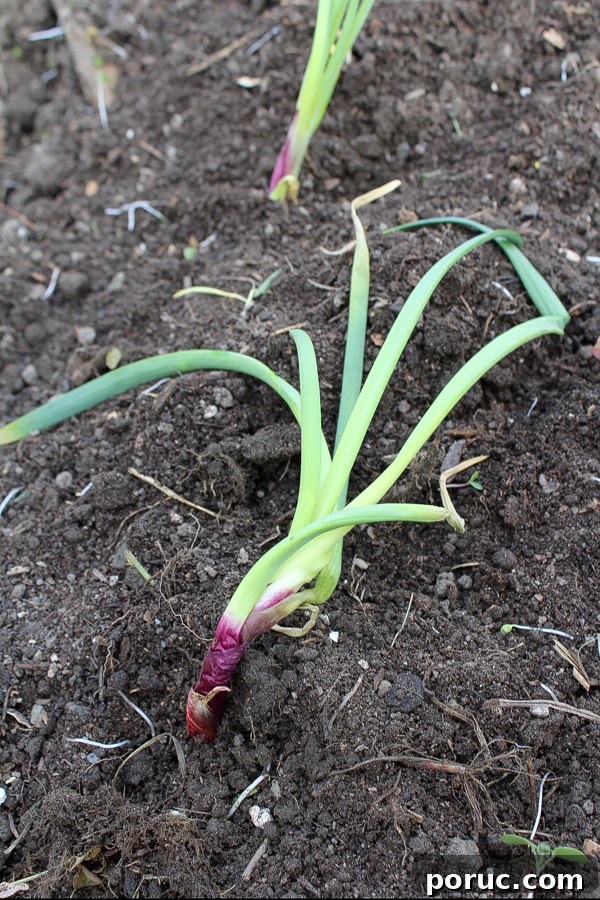
Monitor moisture and weeds, water regularly, and keep plants healthy. Before long you’ll harvest several full-sized onions — a satisfying way to turn that forgotten sprouted bulb into a productive addition to your garden.