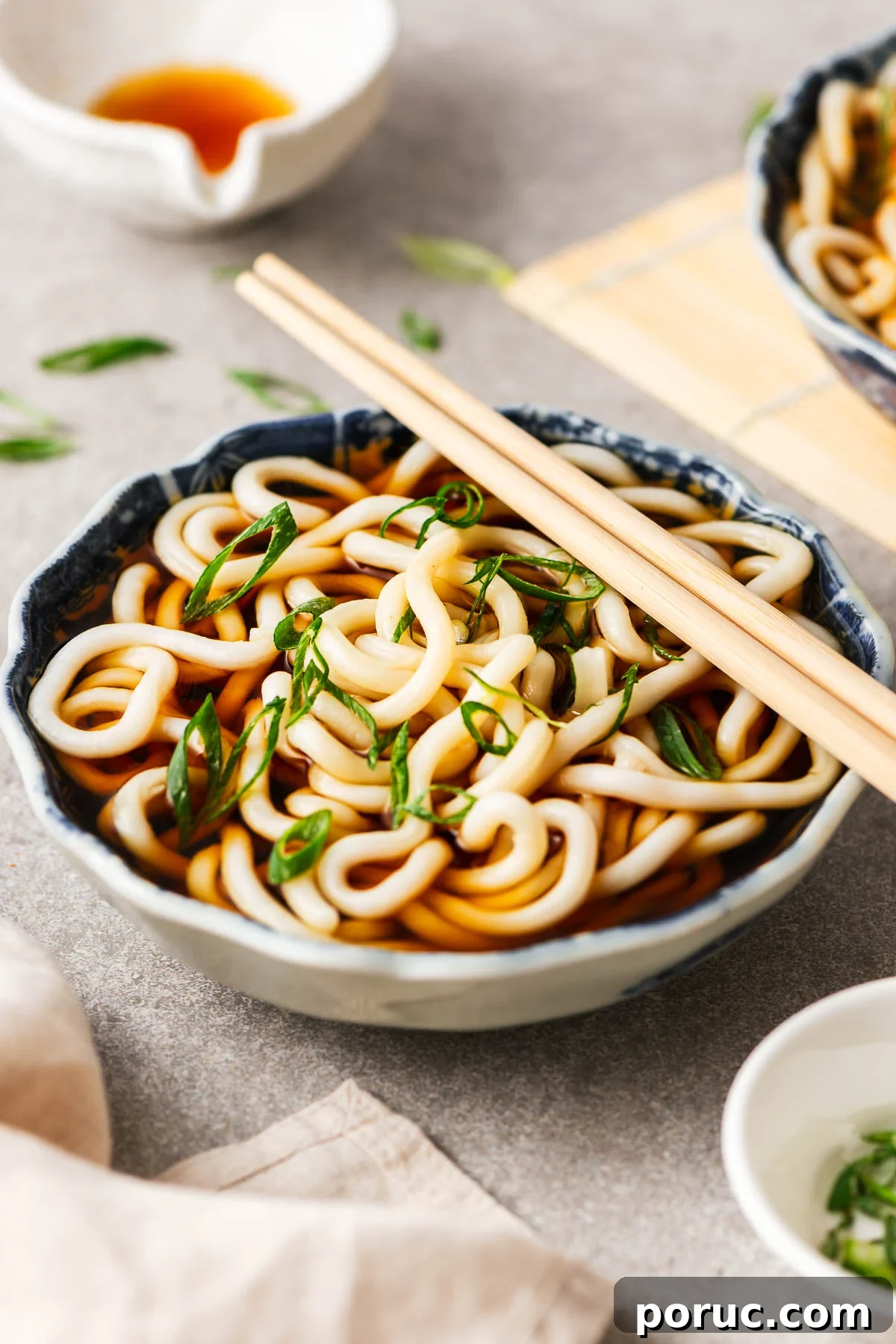
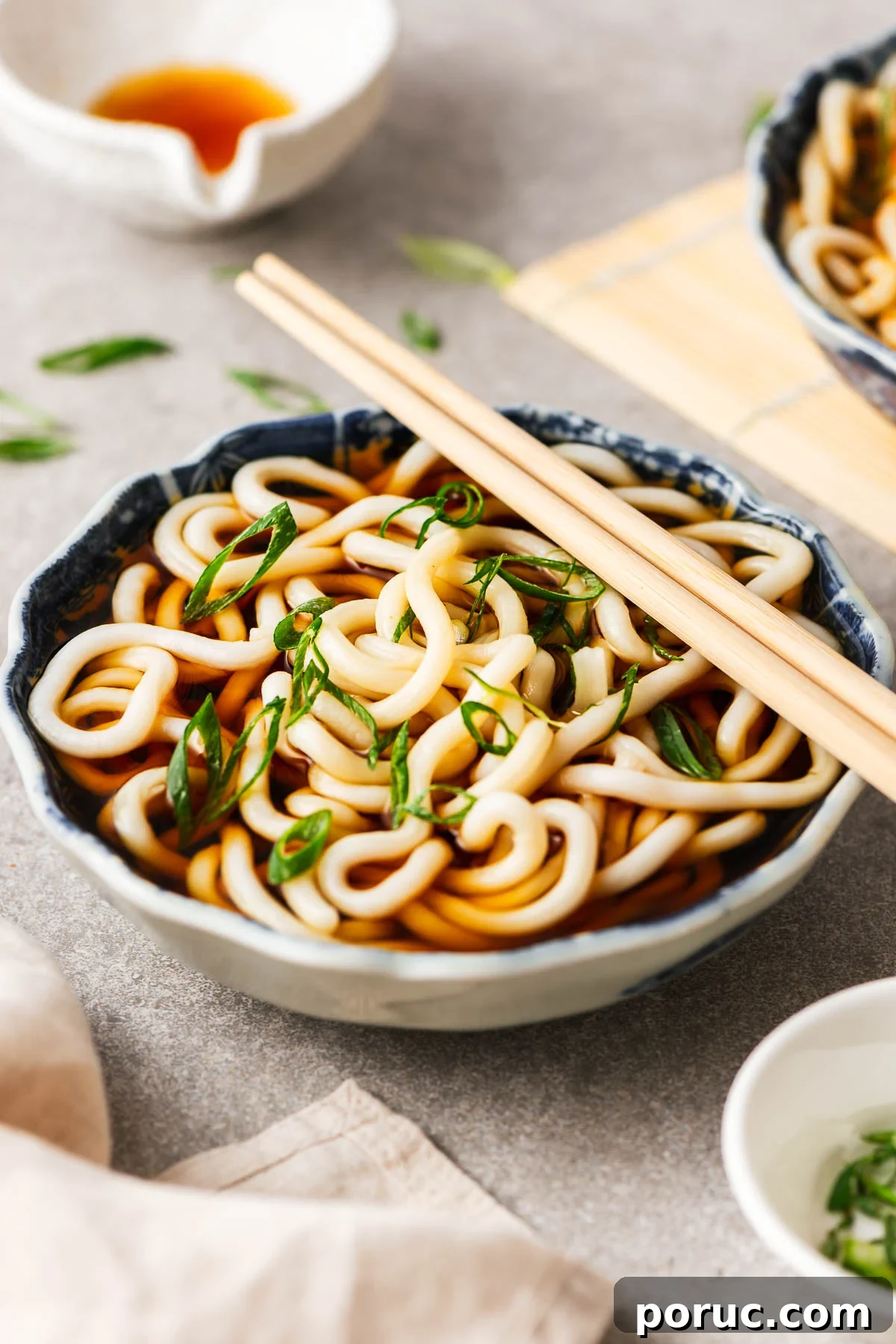
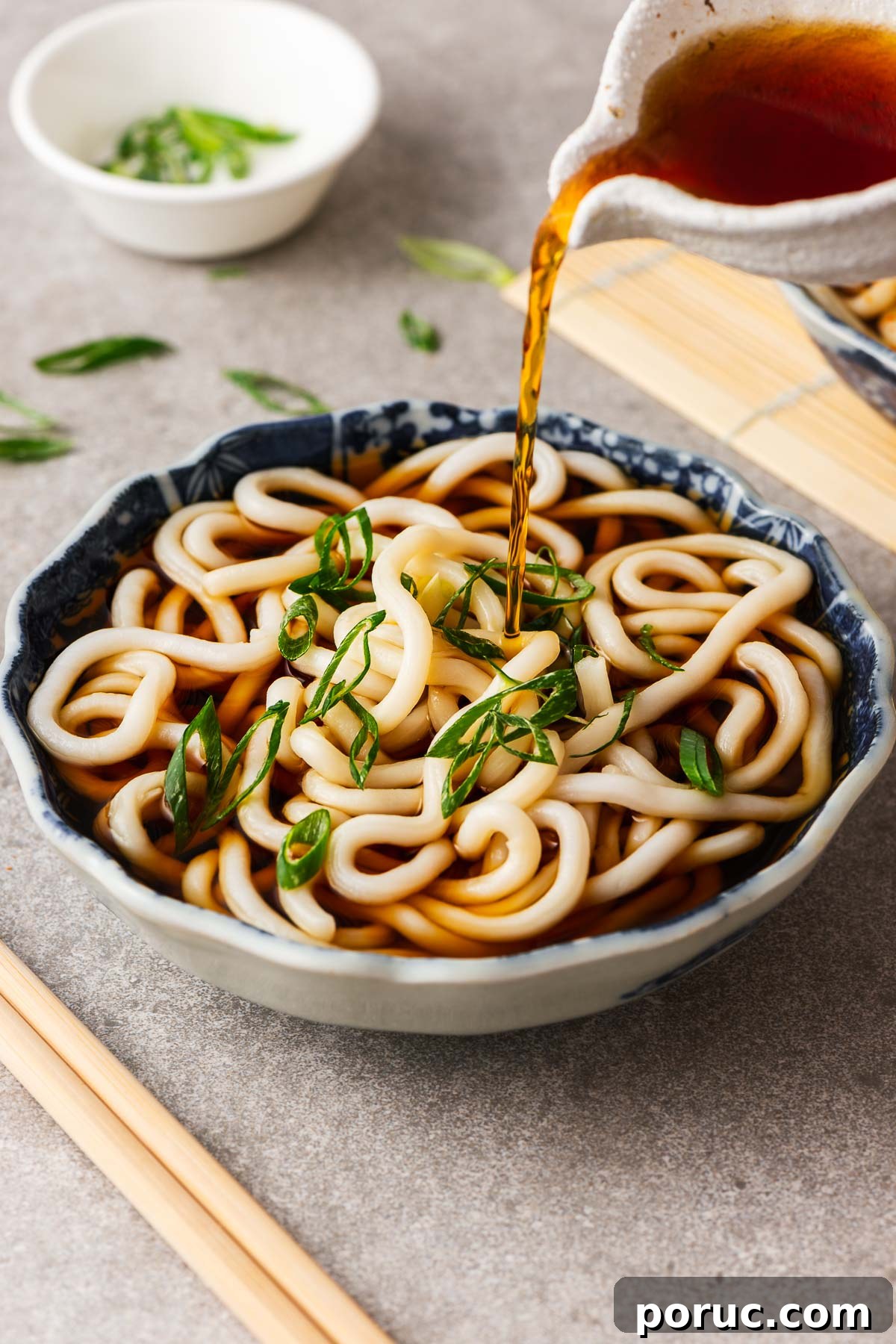
Kake udon (also written kakeudon) is a classic Japanese noodle soup that showcases simplicity and deep umami flavour. This version needs only three core ingredients—chewy udon noodles, mentsuyu (or a quick dashi-based broth), and green onions—so it’s an ideal, comforting bowl for any noodle lover.
The recipe uses mentsuyu, a concentrated Japanese soup base traditionally made from dashi (katsuobushi and kombu), soy sauce, mirin and sometimes sake. Homemade mentsuyu keeps for up to four weeks, making it convenient for quick bowls, but good-quality store-bought mentsuyu or a simple dashi broth with soy and mirin work perfectly well too.
Garnish simply with sliced green onion, or turn the bowl into kitsune udon with fried tofu (inari age) or tsukimi udon with a raw or soft-cooked egg yolk. In minutes you’ll have a steaming bowl of slurp-worthy noodles in a flavourful broth.
In this post:
- What is kake udon?
- Why you’ll love kake udon
- Ingredients and substitutes
- How to make udon noodle soup (step-by-step images)
- Japanese udon noodle soup variations
- Frequently asked questions
- Kake udon recipe card
What is kake udon?
Udon are thick, chewy Japanese wheat noodles made from flour, water and salt. Kake udon is a simple udon noodle soup where a clear, savoury broth is poured over the cooked noodles. The broth is typically dashi-based and seasoned with soy sauce, mirin and occasionally sake.
Toppings are kept minimal to highlight the broth and noodles—sliced scallions, toasted sesame seeds, and a pinch of shichimi togarashi (Japanese seven-spice) are common additions. The dish celebrates clean, balanced flavours and is a staple of everyday Japanese cuisine.

Why you’ll love kake udon
This kake udon recipe makes a great addition to your meal rotation for several reasons:
- Quick and easy: With just three main ingredients (plus water) and minimal prep, it comes together fast.
- Versatile: The broth and toppings are easy to customise for dietary needs or personal taste.
- Authentic flavour: Mentsuyu or a dashi-based broth delivers true Japanese umami in every spoonful.
- Comforting and reliable: Perfect for a fast weeknight dinner or a warming bowl on a chilly day.
Ingredients and substitutes
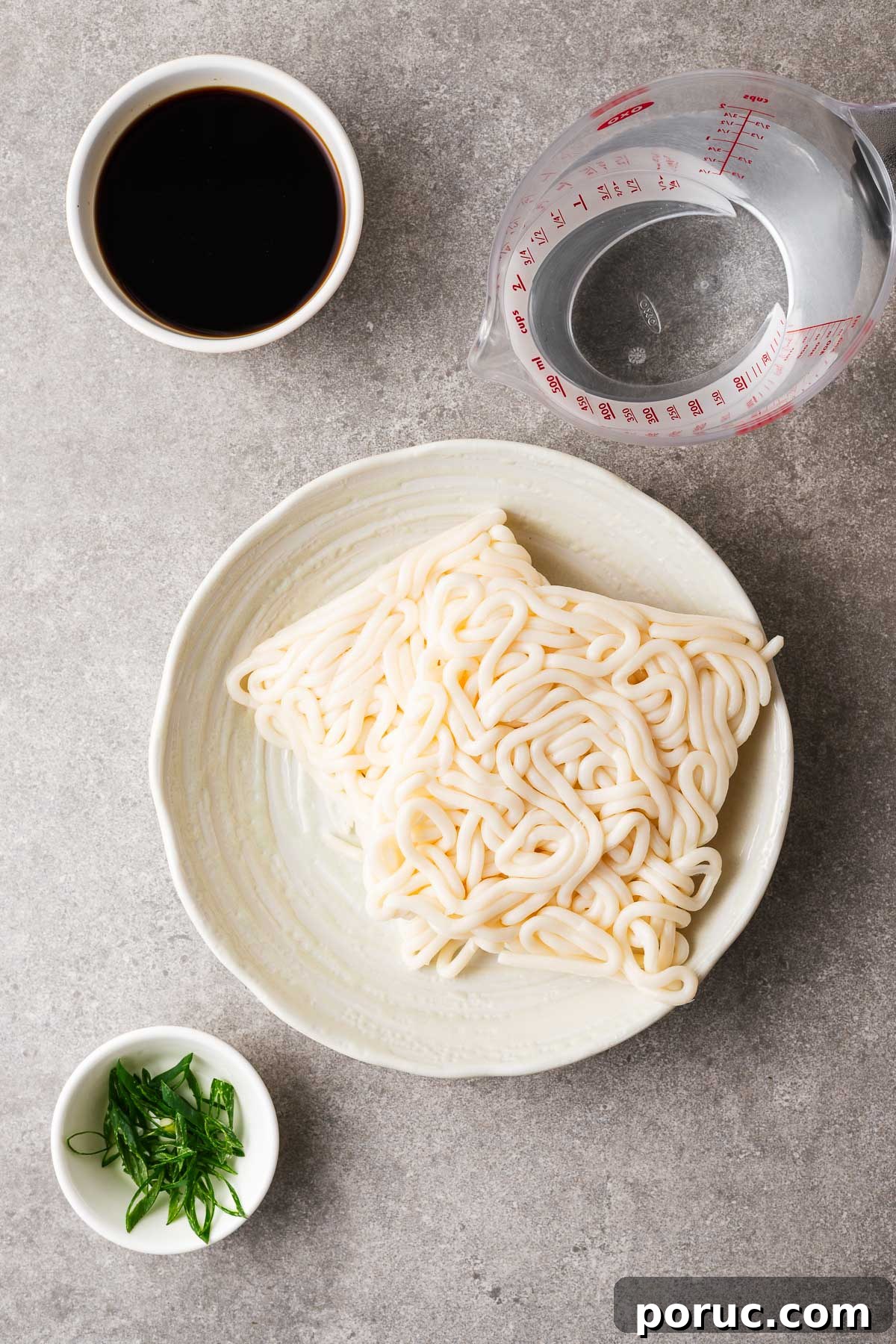
Core ingredients for a classic kake udon:
- Udon noodles: Fresh, frozen, or parboiled udon give the best texture. Dried udon will work if needed but is less plump. You can swap for soba or ramen in a pinch, but the character of the dish changes with different noodles.
- Mentsuyu: A concentrated Japanese soup base made from dashi, soy sauce, mirin and sake. Homemade mentsuyu (katsuobushi or shiitake for vegetarian, and kombu) is easy to make and stores refrigerated for weeks. Alternatively, dilute store-bought mentsuyu per the bottle instructions or make a quick broth from instant dashi, soy sauce and mirin.
- Water: Adjust according to the concentration of your mentsuyu. A typical ratio for homemade mentsuyu is about 1/2 cup mentsuyu to 2 cups water, but taste and adjust to preference.
- Green onion: Thinly sliced scallion adds a fresh, aromatic finish. Optional toppings like tempura bits, wakame seaweed, tofu pockets or an egg are easy additions.
If you have time, make a batch of homemade mentsuyu from katsuobushi (dried bonito flakes), kombu, mirin and sake—it’s versatile and speeds up future bowls.
Optional toppings
Kake udon is a base that pairs well with many toppings. Try any of the following:
- Grated ginger for brightness.
- A sprinkle of shichimi togarashi or chilli flakes for heat.
- Inari age (seasoned fried tofu) or narutomaki fish cake for added texture and flavour.
- Rehydrated wakame seaweed for extra umami.
- A raw or soft-cooked egg yolk for a richer bowl (tsukimi udon).
How to make udon noodle soup
A warm bowl of kake udon is ready in minutes with this straightforward method. You can use homemade or store-bought mentsuyu.
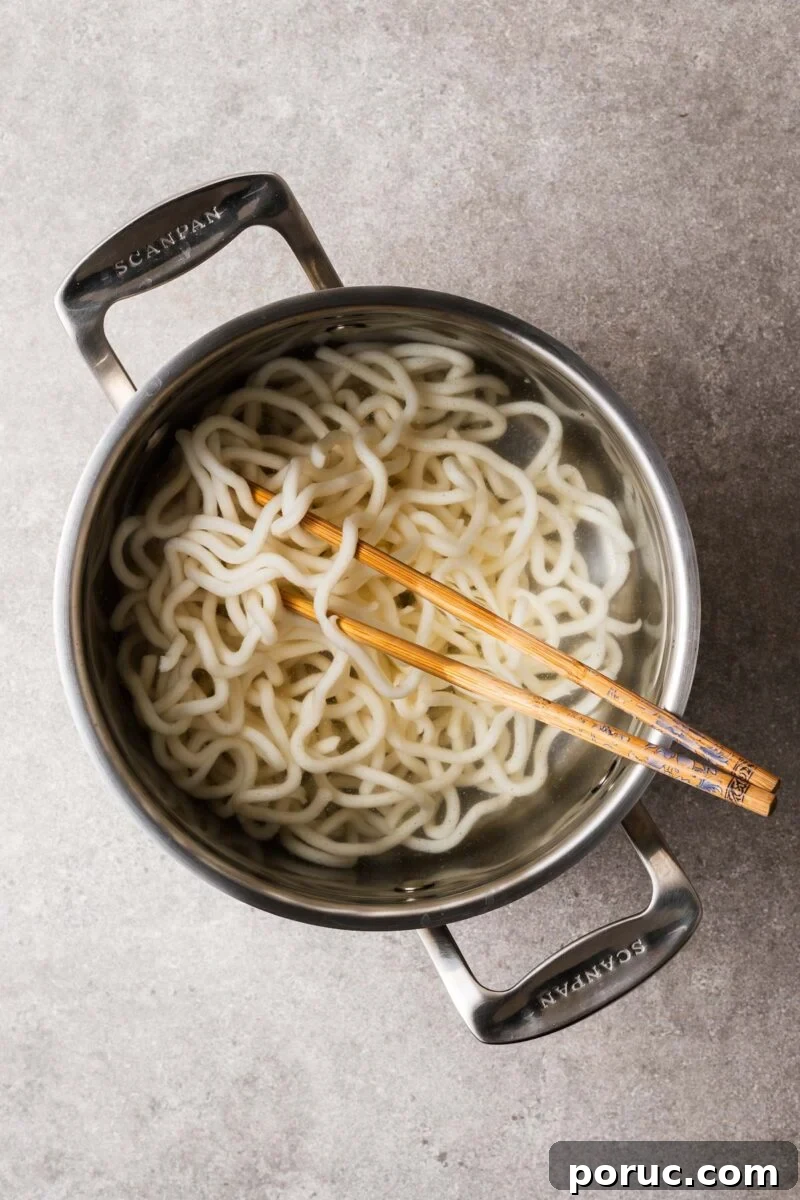
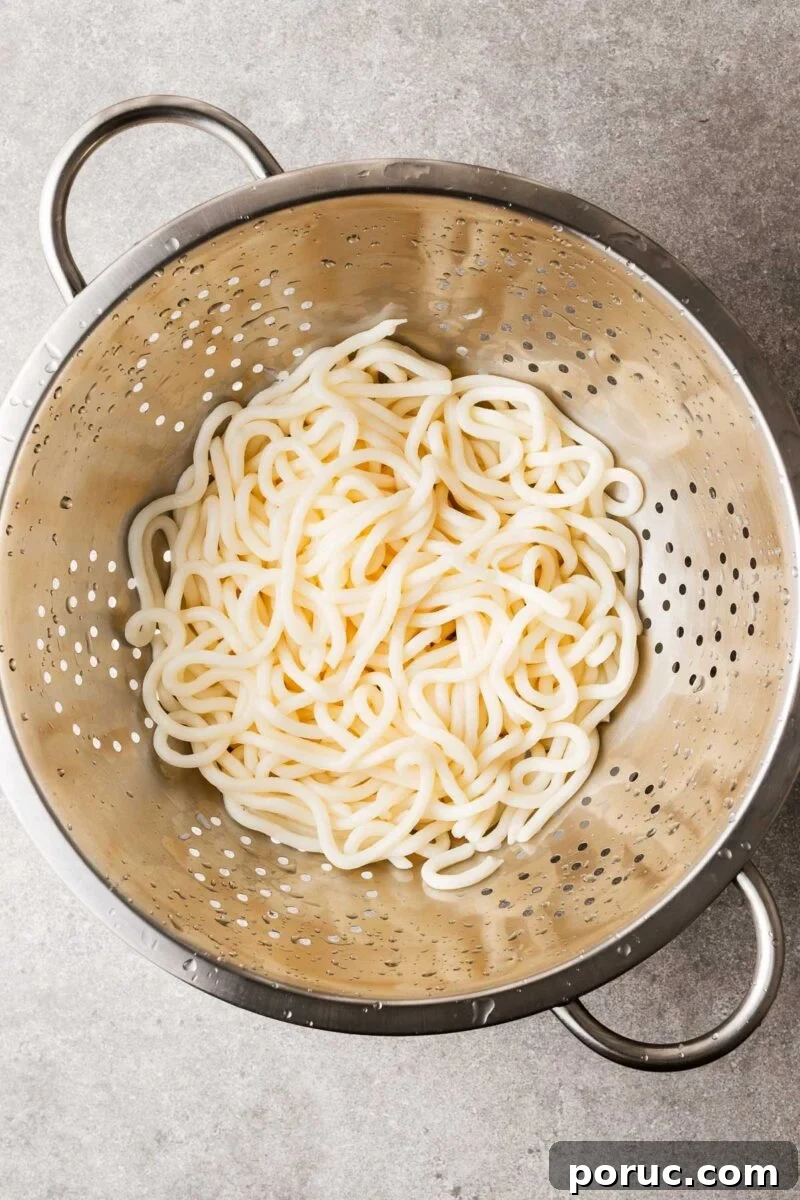
1. Bring plenty of water to a rolling boil in a medium saucepan. Add udon and cook according to the package—parboiled udon usually takes 2–3 minutes. Stir frequently to separate the strands.
2. Rinse the cooked noodles under cold running water to remove excess starch, then drain in a colander.
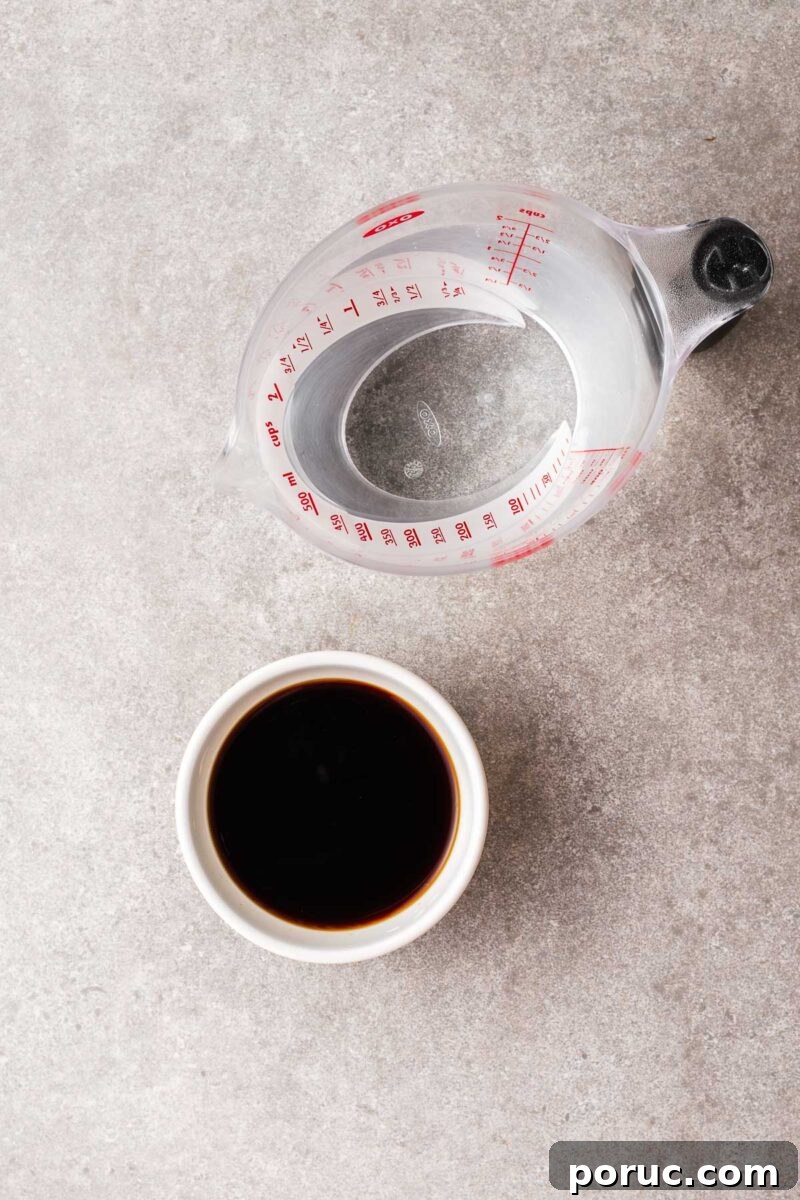

3. Prepare the broth: for homemade mentsuyu, mix 1/2 cup mentsuyu with 2 cups water (or dilute store-bought mentsuyu per label). Use about 1¼ cups of broth per serving of noodles. Bring to a gentle simmer, taste and adjust, then remove from heat.
Tip: If you don’t have mentsuyu, whisk together 2⅓ cups prepared dashi with 2 tablespoons soy sauce and 2 tablespoons mirin for a quick substitute.
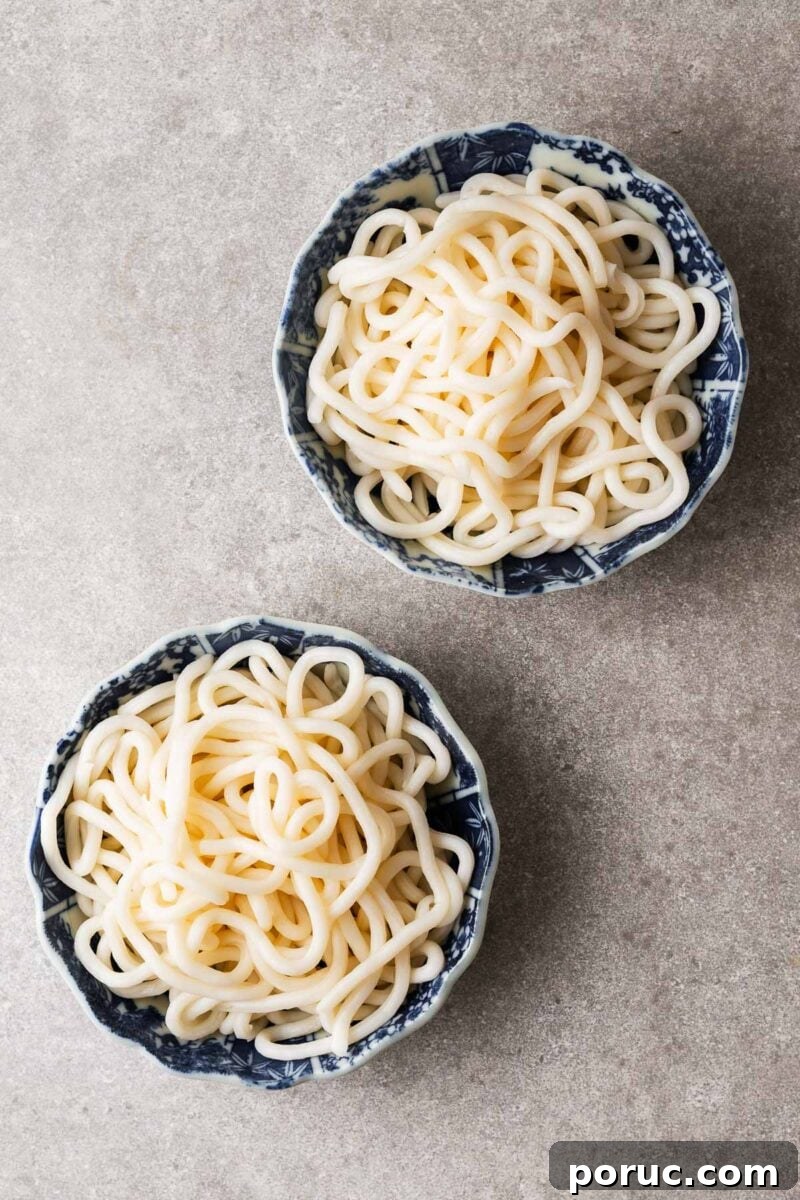
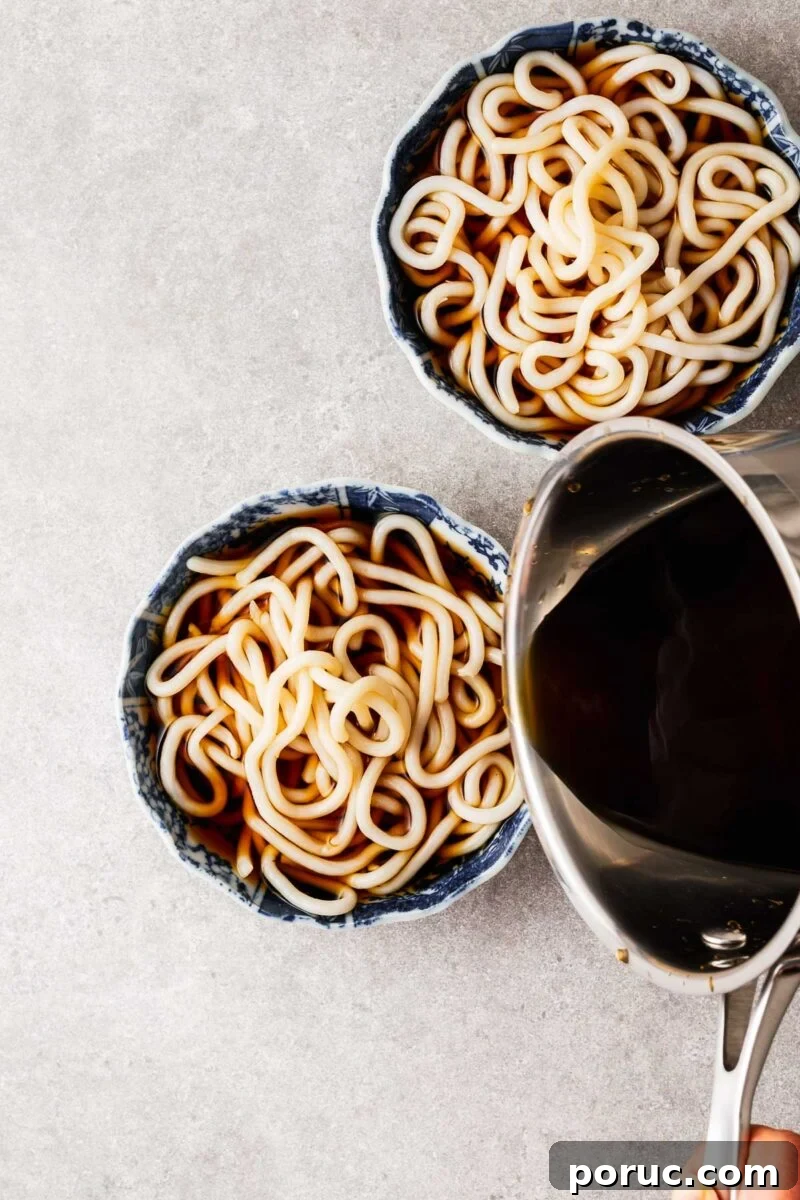
4. Divide noodles into serving bowls and pour the hot broth over them.
5. Garnish with chopped green onion and any other desired toppings. Serve immediately and enjoy.

Udon noodle soup variations
Once you’re comfortable with basic kake udon, try these popular variations:
- Tsukimi udon: top with a raw egg yolk or soft-boiled egg and a sprinkle of shichimi togarashi.
- Kitsune udon: add sweetened fried tofu (inari age) and slices of narutomaki fish cake.
- Tempura udon: include a piece of tempura shrimp or vegetable tempura for crunch.
- Niku udon: serve with thinly sliced, quickly cooked beef for a heartier bowl.
Frequently asked questions
Kake soup is usually made from dashi (fish or seaweed stock), soy sauce, mirin and sometimes sake. It’s the light, umami-rich base poured over udon or soba noodles.
Kake udon tastes mild and savoury with clear umami notes from the dashi and soy. The noodles are soft and chewy and the broth is light and comforting.
“Kake” means “to pour over,” so kake udon refers to udon noodles with hot broth poured over them.
Kitsune udon includes seasoned fried tofu (aburaage) as a topping, giving it a sweet-savory contrast. Kake udon is typically simpler, topped mainly with green onions.
The difference is the noodle: kake soba uses buckwheat soba noodles, while kake udon uses thicker wheat udon. Both use a similar broth poured over the noodles.
More Japanese Recipes
- Zaru soba (cold soba noodles with dipping sauce)
- Nasu dengaku (miso-glazed eggplant)
- Miso scrambled eggs
- Mentsuyu sauce (Japanese soup base for quick noodle soup)
- Kake udon (simple Japanese udon noodle soup)
- Tsukimi udon (udon topped with egg yolk)

Kake Udon (3-Ingredient Japanese Noodle Soup)
Print
Pin
Ingredients
- 2 servings udon noodles*
- ½ cup mentsuyu , homemade or store-bought*
- water , depending on the mentsuyu concentration
- 1 tablespoon thinly sliced green onion , green parts only
Instructions
-
In a medium saucepan, bring plenty of water to a boil. Add the udon noodles and cook according to package instructions—parboiled noodles usually need 2–3 minutes. Stir frequently to separate the noodles.
-
Rinse the noodles in cold running water and let them drain in a colander.
-
Return the saucepan to the heat. Mix ½ cup mentsuyu with 2 cups water (or dilute store-bought mentsuyu per the bottle). Bring the broth to a simmer, taste and adjust, then remove from heat.
-
Divide the udon between two bowls and pour the hot broth over the noodles.
-
Garnish with chopped green onion and serve hot.
Notes
- Packaged parboiled udon (about 200 g per 7-oz portion) works well. Fresh or frozen udon melt into the best texture. Dried udon is usable but less plump.
- Mentsuyu is a concentrated Japanese soup base you can buy or make at home from bonito flakes (or shiitake for vegan), kombu, mirin and sake. It stores refrigerated for up to four weeks.
- Adjust the broth with a pinch of sugar or salt if you prefer it sweeter or more seasoned.
- If you don’t have mentsuyu, heat 2⅓ cups prepared dashi with 2 tablespoons soy sauce and 2 tablespoons mirin for an easy substitute.
Pin Recipe
Share on Facebook
Try more easy Asian-inspired dinners
- Spicy Korean gochujang noodles
- Korean braised tofu (dubu jorim)
- Chinese tomato egg stir fry
- Thai fish red curry