Discover nine essential items to bring for a successful and safe day of genealogy research at the cemetery.
I enjoy researching ancestors in cemeteries, and when I head out for a day of field research I always pack a few essentials. Below I’ll describe what I keep in my backpack when I leave the office for the family or local cemetery.

In a recent video on cemetery research I mentioned the backpack I always bring. Several viewers asked me to share exactly what I pack, so here’s a practical, easy-to-follow list you can use when you plan your next visit.
Why take a backpack?
A backpack keeps your hands free while walking and working outside, and it holds the items you need for focused cemetery searching. Some things are specific to outdoor work and wouldn’t be necessary at an archive, so a backpack helps keep those separate and handy.
What type of backpack?
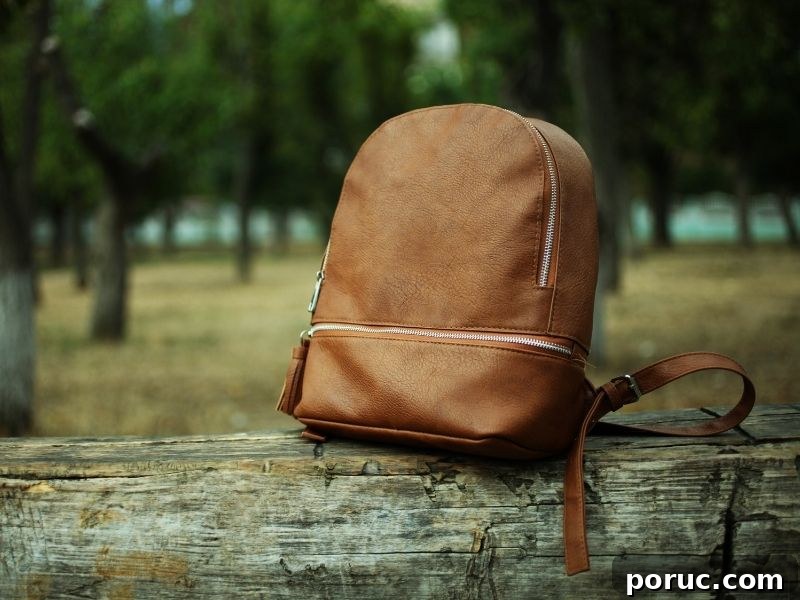
My backpack is a simple, everyday pack — nothing specialized for genealogy. It has multiple pockets and a webbed water-bottle holder, and it’s comfortable to wear. I chose a bright color so I’m visible when I’m out in the field. The main points are comfort, pockets, and a place for water.
Essential items in the backpack for cemetery research
Time to unpack the backpack.
Research plan: I always carry a research plan for the cemetery—usually a printed copy, although I sometimes keep it on my phone. A paper copy is handy so I don’t have to stop and pull up a digital file. Even a simple checklist of gravesites you’re looking for is useful, especially in smaller cemeteries.
Legal pad or notebook: I keep a pad for notes, observations, and follow-up questions. You can use your phone for notes or voice memos, but a paper pad is quick and reliable when you want to jot something down and move on.

Cell phone: My phone serves as my camera, GPS, and safety device. I use apps like Find A Grave or BillionGraves to locate markers or confirm plot information, and I take many photos to document stones and nearby markers. The phone also lets me call for help if needed.
Bug spray: Mosquitoes and other insects can be a nuisance, so insect repellent is essential, especially in wooded or overgrown cemeteries.
First aid kit: A small kit helps handle minor issues. Mine includes anti-itch cream, bandages, hand sanitizer or wipes, and an antibacterial ointment.
Water: I usually carry two water bottles—one to drink and one spare that can also be used to rinse dirt off a stone when needed.
What else is in that pink backpack?
Old bath towel: A towel is useful for kneeling or lying on the ground when photographing low or short gravestones. It keeps clothes cleaner and makes it more comfortable to position yourself for the best shot.
Pens and pencils: I use mechanical pencils and always bring extras. They’re handy for notes and for making rubbings or copying inscriptions if necessary.
Wet wipes: Cemetery work can get dirty; wet wipes let you clean hands and tools before you leave.
Work or gardening gloves: Gloves protect your hands when moving brush, weeds, or debris away from a stone—especially in small, unmaintained family plots.
Wallet/ID: I carry my ID and a small amount of cash in case it’s needed. No purse required—just what’s necessary for identification and emergencies.
Snacks: Research days can be long and working outdoors makes you hungry, so a light snack helps keep energy up.
I aim to keep my pack light but practical. Those little extras make cemetery visits more productive and comfortable, and being prepared helps me stay out longer to complete the research.
Tell me in the comments your must-have item when you visit a family cemetery.
Another essential for cemetery research
Good hiking shoes: The right footwear is as important as what’s in your pack. Sturdy shoes with good traction keep you safe on uneven, rocky, or overgrown ground. Whether you’re in a groomed cemetery or deep in the woods, supportive shoes prevent slips and make it easier to cover more ground.
If you want to learn more about the types of photos I take when documenting graves, watch the video below for a helpful walkthrough.
Other helpful posts on cemetery research:
- Successful Online Cemetery Research for Your Ancestors
- What Is That Family Cemetery Telling You?
- Overcome Not Finding Your Ancestor’s Date of Death
- Your Guide to Cemetery Research – Are You Missing Important Genealogical Clues?
- Want to Take a Peek at My Genealogy Bookshelf?