
Dealing with emergencies at work or in private life can be draining and overwhelming. Learning to relieve stress naturally and making time to relax regularly helps prevent everyday problems from accumulating into long-term threats to physical and mental health.
The Cons of Stress
Stress weakens the immune system, increasing susceptibility to infections and chronic illnesses.
Common signs of chronic stress include:
- low energy
- headaches
- digestive issues
- pain
- insomnia
- frequent colds and infections
- depression
- acne
- weight gain
Personally, when I’m stressed I often get cold sores, catch colds more easily, struggle to sleep, and crave sweets. Finding simple strategies to manage stress became essential after becoming a parent. I learned a lot from coworkers and friends who stay calm in situations that would make me anxious.
Here are 14 habits people who rarely get stressed tend to practice. These approaches have helped me a great deal—try them in your daily life to feel calmer and more balanced.
Some links in the original post were affiliate links. If you choose to buy something through those links, the author may receive a small commission at no extra cost to you, which helps cover blog expenses.
1. Set Intentions
Starting the day with the intention to feel good shifts how you interpret events. When unexpected problems arise, a clear intention helps you respond proactively—asking “What can I do?”—instead of reacting with panic. Decide how you want to feel and how you want to respond to challenges.
2. Plan, but Don’t Over-Plan
A plan puts you in proactive mode: you see the next steps and feel less anxious about uncertainty. Include self-care in your plan. At the same time, be realistic—life is unpredictable, so allow flexibility and don’t punish yourself when things change.
A flexible plan reduces stress by giving direction without rigid expectations.
3. Manage Your Expectations
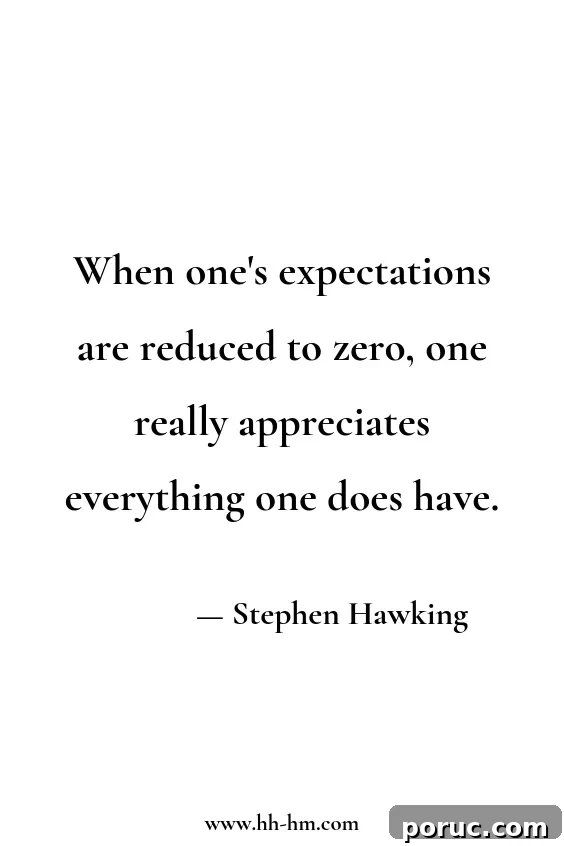
We often feel stressed because we expect too much from ourselves. There will always be more to do, but craving constant improvement can lead to chronic dissatisfaction. Be realistic about what you can accomplish in a day, week, or month. Tracking daily habits helps you see what’s possible and curbs unrealistic demands.
4. Listen to Music
Most people have songs that lift their mood. Listening to music you enjoy is a powerful, simple way to reduce stress and anxiety. For many, music improves sleep, lowers blood pressure, and promotes relaxation.
5. Spend Time in Nature
Time outdoors benefits mental and cardiovascular health. Even a short walk in a park or on the beach can leave you feeling refreshed and calmer. Make outdoor time a regular habit—walks, hikes, gardening, or casual gatherings outside all help restore balance.
6. Exercise
Exercise supports brain health and boosts mood. Aerobic activity stimulates endorphin release, which improves mood and acts as a natural pain reliever. Even 10–20 minutes of movement can lift your spirits, reduce reactivity, and improve resilience when you’re stressed.
7. Express Gratitude
Regularly acknowledging what you’re thankful for strengthens positivity. People who count their blessings tend to be happier overall. Gratitude helps shift focus away from immediate problems and reminds you that life is bigger than the current struggle.
8. Remind Yourself: Nothing Lasts Forever
Reflect on past worries—how many of them mattered later? Most problems fade with time. Keeping the temporary nature of difficulties in mind reduces panic and helps you weather stress with perspective.
9. Do Yoga
Yoga supports both physical and mental health. Even a short session can break a negative thought cycle and restore calm. If you want to start at home, guided classes and short routines make it easy to practice regularly.
10. Do Something Good for Someone Else
Acts of kindness boost happiness. Helping others creates a warm, rewarding feeling that lowers stress. Notice and count kind acts—reflecting on them increases the positive impact.
11. Pet an Animal
Spending time with animals is soothing—petting a dog or cat can lower blood pressure and reduce the stress hormone cortisol. Animals offer comforting presence without judgment.
12. Eat Healthy
Stress depletes vitamins and nutrients, so maintaining a nutritious diet is crucial when under pressure. Eating more fruits and vegetables supplies important nutrients, like vitamin C, that support stress management. Choosing healthy food is a form of self-respect—treat your body well.
13. Write It Down
Put your worries on paper. Journaling or jotting down concerns helps you identify what’s causing stress and decide whether you can act on it. If a problem is out of your control, naming it and accepting that can lift a heavy burden.
14. Practice Self-Discipline
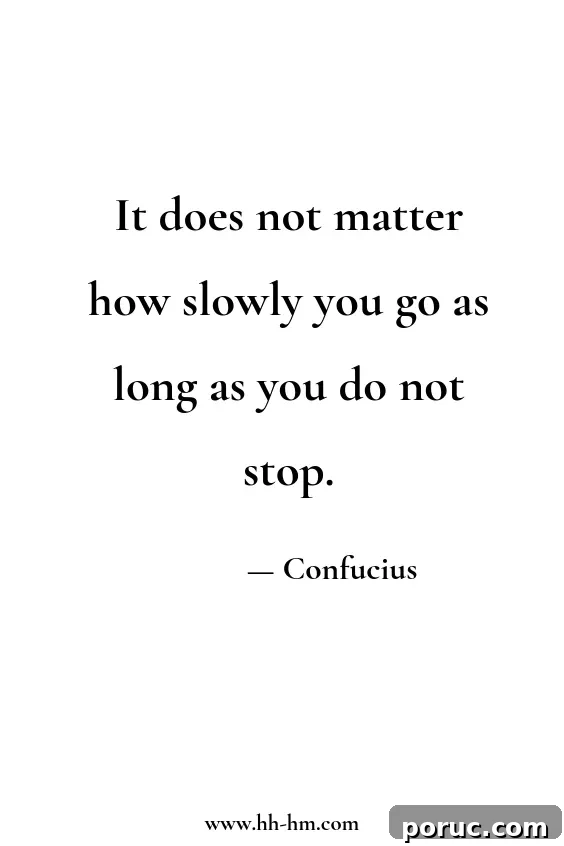
If stress comes from unfinished tasks, start and finish them. Building self-discipline is hard at first but rewarding: completing small commitments boosts confidence and calm. Even when exhausted, choosing to follow through on meaningful tasks creates satisfaction and reduces anxiety.
You Might Also Like:
- 8 Morning Rituals To Start Today
- 10 Things To Do On Sunday For A Better Week
- How To Declutter Your Life, Not Just Your Closet